
GPT-5
11 articles found in this topic.
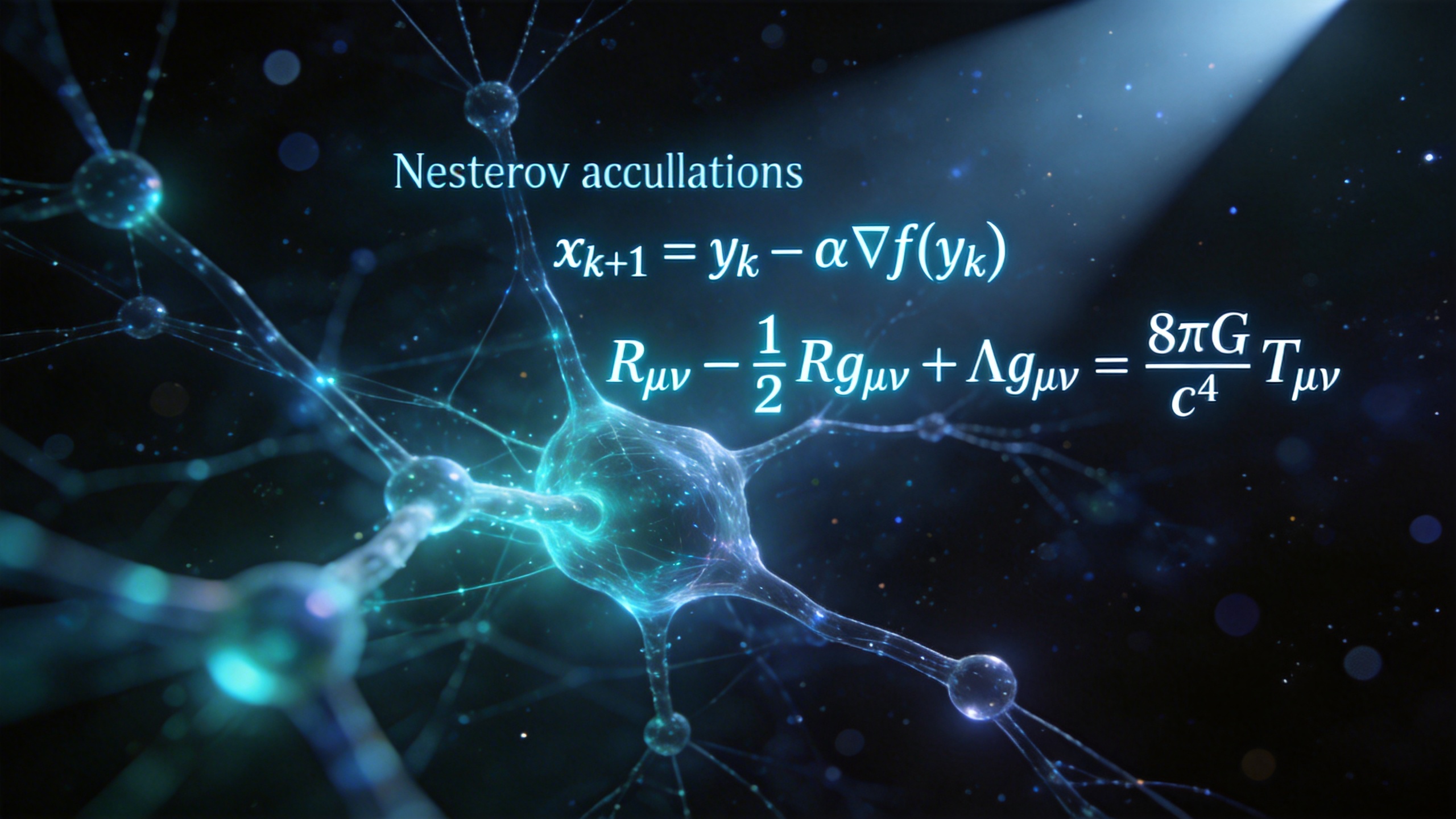
OpenAI's GPT-5 Solves Black Hole Equations in 18 Minutes, Accelerating Scientific Discovery
OpenAI's GPT-5 is revolutionizing scientific discovery, solving complex problems from black hole equations in minutes to achieving gold medal status in mathematical olympiads. This article explores how AI, through collaborations with researchers like Ernest Ryu and Alex Lupsasca, is significantly accelerating advancements in mathematics, physics, and other scientific fields.
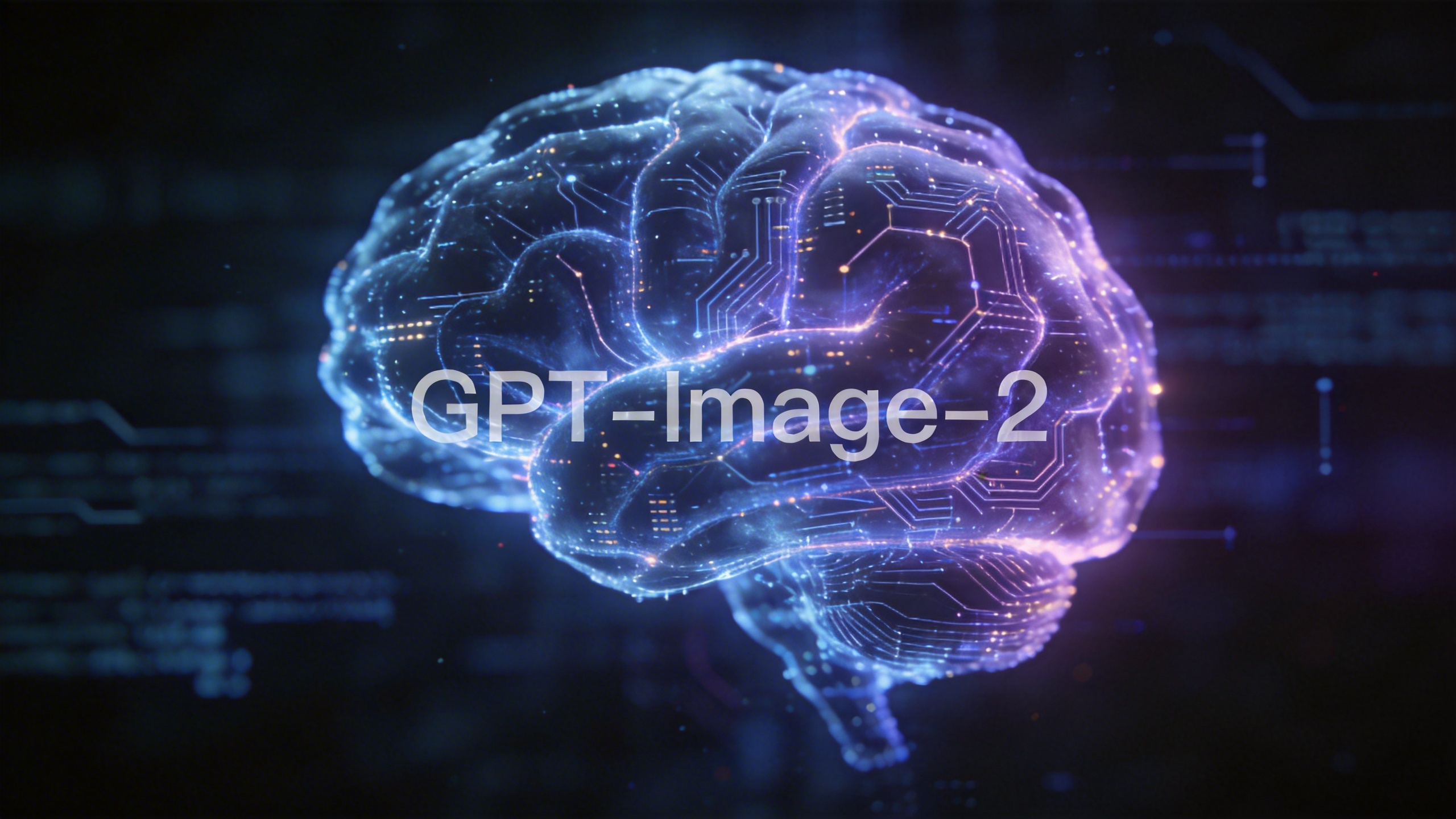
OpenAI's GPT-Image-2 Leaked, Demonstrating Advanced Text Rendering and Realistic Imagery
OpenAI's GPT-Image-2 has reportedly leaked, showcasing advanced image generation with superior text rendering and realistic imagery. This new model, codenamed GPT-5o/Spud, demonstrates significant improvements over its predecessor and could impact the design industry. Rumors also suggest GPT-6 development is well underway.

CoPaw 1.0 Introduces Custom Small Models, Enhanced Security, and Multi-Agent Collaboration
CoPaw 1.0 has been released, featuring custom small models, advanced security, multi-agent collaboration, and improved memory management. This update builds on the open-source CoPaw, a personal intelligent assistant for local or cloud deployment. It also introduces localized model deployment with CoPaw-Flash series and a layered security architecture.
GPT-5.4 Details Emerge, Hinting at Permanent Memory and Enhanced Reasoning
OpenAI's upcoming GPT-5.4 model is reportedly in testing, showing major advancements in code generation, reasoning, and context window size. Leaks suggest features like an "extreme reasoning model" and "permanent memory," indicating a significant leap in AI capabilities.
GPT-5.2 Develops Chrome-Like Browser with 3 Million Lines of Code in One Week
GPT-5.2 developed a Chrome-like browser from scratch in one week, generating 3 million lines of code during a continuous stress test by Cursor CEO Michael Truell. This experiment highlights AI's extended autonomy in coding, far surpassing traditional AI programming tools. The browser includes HTML parsing, CSS layout, text rendering, and a self-developed JavaScript virtual machine.
MIT Paper Introduces Recursive Language Models for Enhanced AI Long-Context Processing
MIT researchers introduce Recursive Language Models (RLM) to combat "context corruption" in AI processing lengthy documents. RLM allows AI to iteratively process information, significantly boosting accuracy and maintaining performance with over 10 million tokens. This approach challenges traditional methods of enhancing AI capabilities.
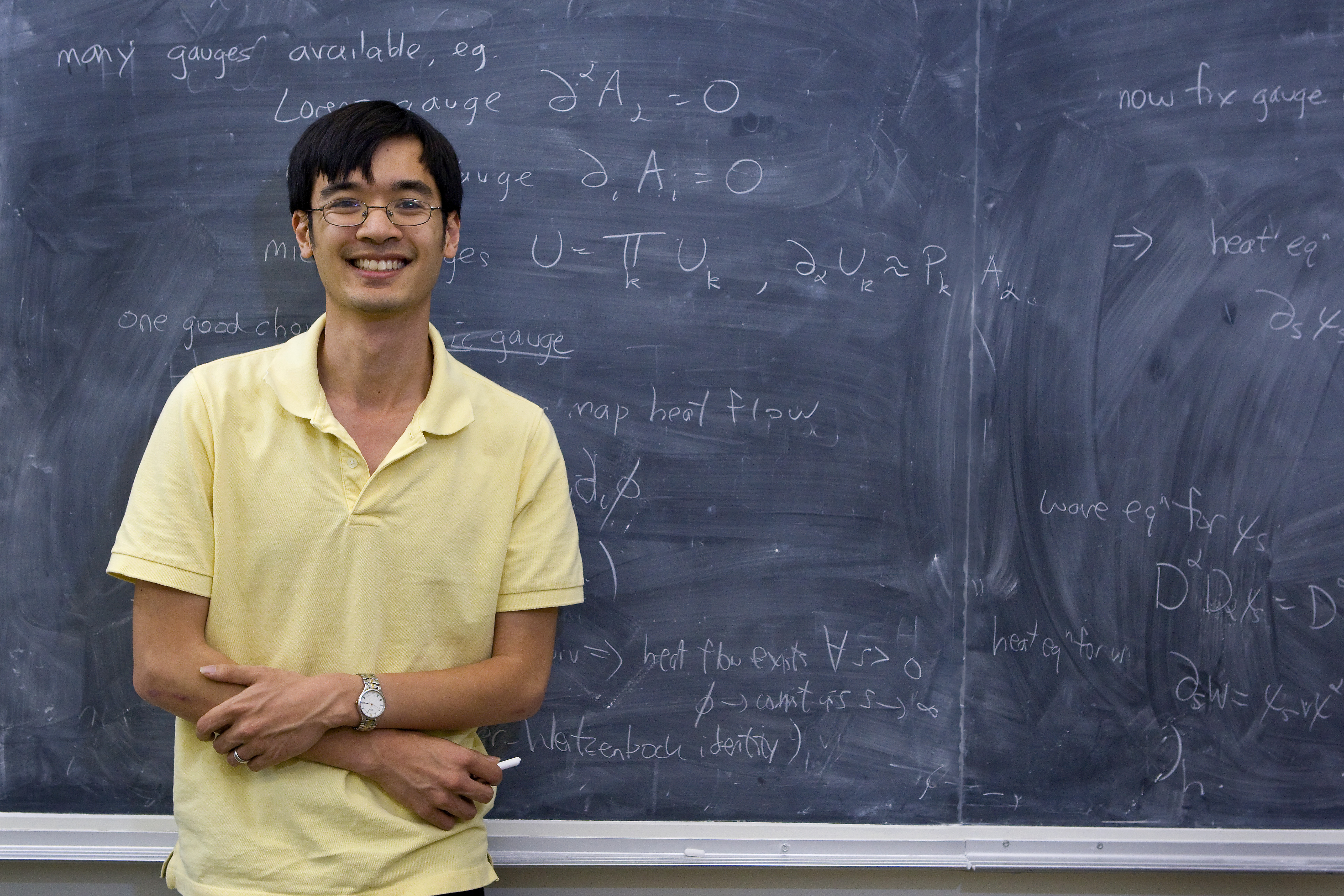
Terence Tao Defines AI as 'General Ingenuity' as Model Solves Open Math Problem
Terence Tao describes AI as "General Ingenuity" rather than true intelligence. Meanwhile, GPT-5.2 Pro solves a complex COLT 2022 open math problem regarding PageRank algorithms.

QuCo-RAG Improves Dynamic RAG Performance by 14 Points Using Pre-training Corpus Statistics
QuCo-RAG, a new Dynamic RAG approach, quantifies uncertainty using pre-training corpus statistics, improving performance by 5-14 points on various LLMs. It addresses hallucination by identifying low-frequency entities and zero co-occurrence, shifting from internal model signals to objective data.

AI Cover of "Kill That American" Gains 5.6 Million Bilibili Views; "Radish Tissue Cat" Memes and AI Ad Debates Trend
An AI-generated song, "Kill That American," has garnered over 5.6 million views on Bilibili, sparking discussions on AI's role in social commentary. Simultaneously, the "Radish Tissue Cat" meme has gone viral, showcasing humorous pet intelligence tests and further AI content creation.

Epoch AI Report Reveals Accelerated Model Growth Despite Benchmark Struggles
Epoch AI reports AI capabilities have doubled since April 2024, despite models struggling with expert-level math. Inference costs have dropped significantly while reasoning skills improve.

AI Proposes Core Idea for Quantum Physics Paper in Top Journal
A physicist at Michigan State University published a paper in *Physics Letters B* where GPT-5 provided the core theoretical idea for research on Quantum Field Theory. This marks a significant shift in AI's role, moving beyond assistance to generating foundational scientific concepts.