
NVIDIA
30 articles found in this topic.

LinearGame's Yoroll Platform Integrates AI World Models for Interactive Video Games
LinearGame's Yoroll platform integrates AI world models to revolutionize interactive video game creation, allowing users to generate 3D playable spaces from text prompts. Demonstrated at GDC and NVIDIA GTC, Yoroll enables creators to produce shareable, playable interactive works rapidly, moving beyond traditional game development paradigms.

NVIDIA Open-Sources PersonaPlex for Real-Time Full-Duplex AI Conversations
NVIDIA has open-sourced PersonaPlex, a speech-to-speech conversational AI model enabling real-time, full-duplex interactions with customizable personalities. Built on the Moshi architecture, it supports natural dialogue, interruptions, and voice style mimicry. Developers can implement it for various AI agent roles.
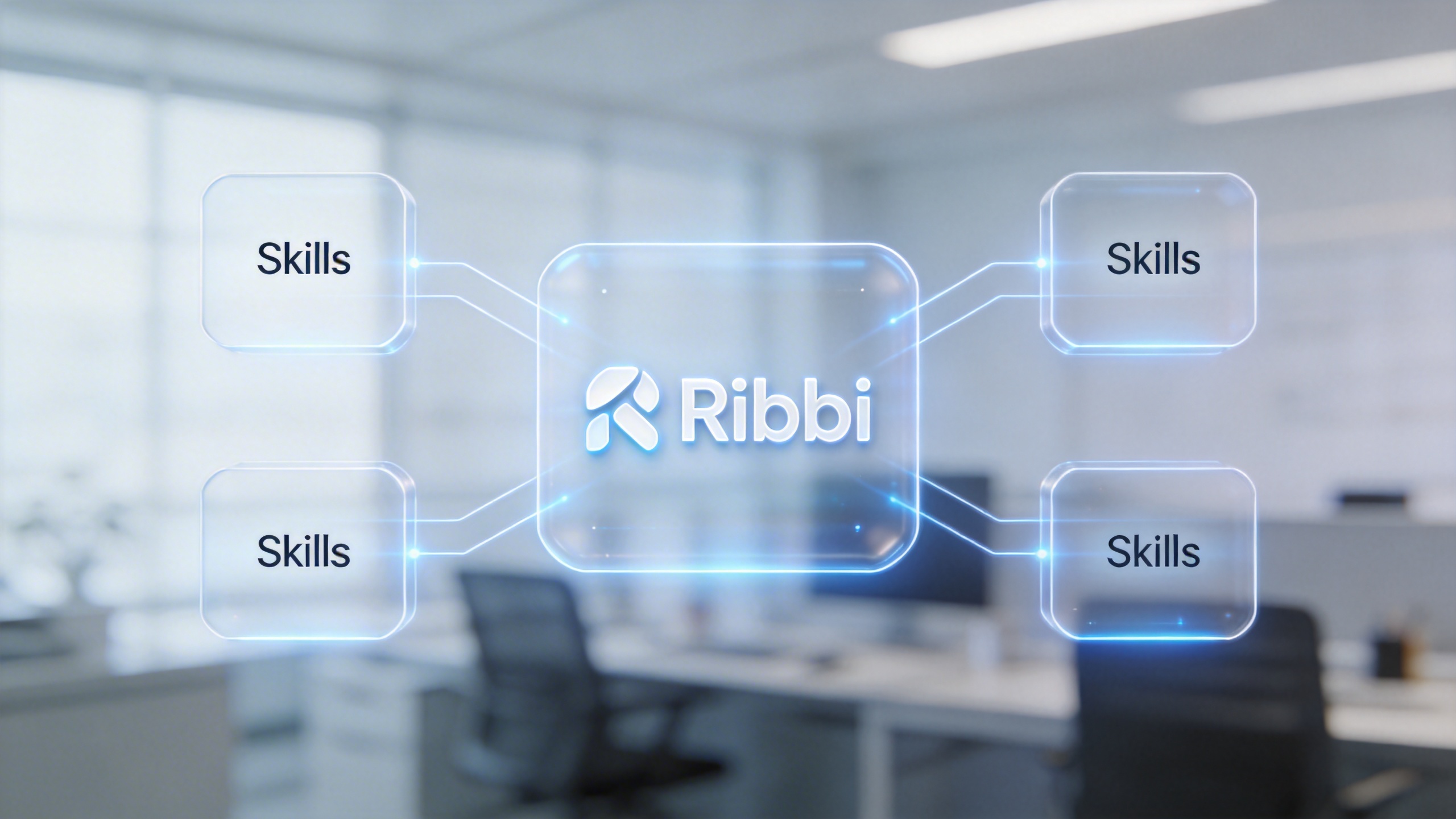
Ribbi AI Platform Offers Specialized Content Creation Tools Building on OpenClaw Framework
Ribbi AI platform introduces specialized content creation tools built on the OpenClaw framework. It simplifies AI agent use by offering targeted functionalities like video editing and story generation, addressing the challenge of implementing general-purpose AI for specific needs. Ribbi aims to bridge the gap in user adoption by pre-configuring workflows for the content creation sector.

Silicon Valley Executives Face Job Displacement as AI Advances, Electricians See Surging Demand
Advanced Superintelligence (ASI) is displacing high-earning white-collar professionals in Silicon Valley, leading to significant job losses and economic shifts. This trend, highlighted by a Dow Jones drop and the concept of "Phantom GDP," suggests a future where human labor is increasingly devalued in favor of AI efficiency. Companies like Block are drastically cutting staff as ASI streamlines operations.

NVIDIA Unveils Nemotron 3 Super, a 120-Billion-Parameter Agent Model Challenging Claude Opus 4.6
NVIDIA unveils Nemotron 3 Super, a 120-billion-parameter open-source AI agent model. It rivals Claude Opus 4.6 and GPT-5.4 with faster inference and higher throughput, addressing multi-agent challenges like context explosion through its Mamba-MoE hybrid architecture and 1-million-token context window.
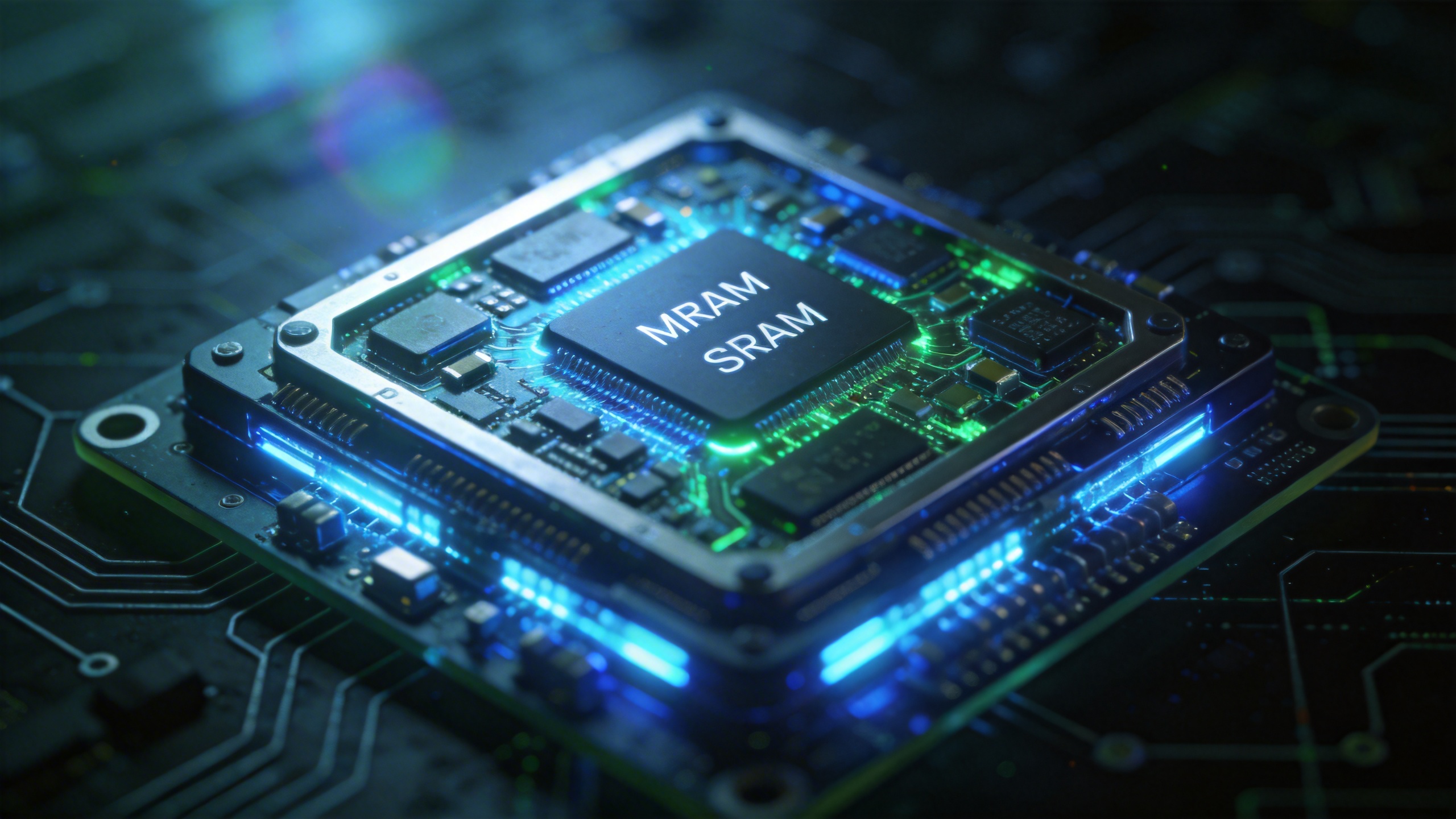
Peking University-Backed SpinPU Unveils Inference Chip Targeting 2000 Tokens/s
Peking University-backed SpinPU Technology has secured significant funding and tested its initial inference chip sample. The company aims for 2000 Tokens/s with a new hybrid architecture, positioning itself in a rapidly evolving inference chip market alongside major players like NVIDIA and Groq.
Apple Neural Engine Unlocked for AI Training, Bypassing CoreML Restrictions
Developers have successfully reverse-engineered the Apple Neural Engine (ANE) to enable direct AI model training, bypassing Apple's CoreML framework. This breakthrough, aided by Claude AI, demonstrates the ANE's hardware capabilities for training, previously restricted by software. This could shift AI training to local devices, reducing costs and environmental impact.

US Drafts Global AI Chip Export Rules, Raising Sovereignty and Trade Concerns
The U.S. is reportedly developing a global tiered review system for AI computing power, potentially imposing strict conditions on international purchases of advanced AI chips from companies like Nvidia and AMD. This move could grant the U.S. government unilateral approval authority over global data center construction, raising concerns about sovereignty and free trade rules. The proposed regulations introduce a three-tiered licensing process based on the scale of computing power purchased.

Taalas Unveils AI Chip Running Llama 3.1 at 17,000 Tokens Per Second
Taalas, a Toronto startup, has unveiled an AI chip that runs the Llama 3.1 8B model at an unprecedented 17,000 tokens per second. This specialized HC1 chip integrates the model directly into its physical structure, offering significant speed, cost, and power efficiency advantages over existing solutions like Nvidia and Cerebras, despite its hardwired limitations.

China Activates Over 30,000 Domestic AI Computing Cards for Large Language Models
China has deployed over 30,000 domestic AI computing cards to establish a national computing infrastructure for large language models. This initiative aims to reduce reliance on foreign technology and overcome bottlenecks in high-end computing, positioning computing power as a strategic national resource.

Tsinghua University Unveils TurboDiffusion, Accelerating AI Video Generation by 200x
Tsinghua University's TSAIL Lab, with Shengshu Technology, launched TurboDiffusion, an open-source framework accelerating AI video generation by up to 200 times. This innovation reduces video creation from minutes to seconds, addressing a major bottleneck in current AI video models. It leverages technologies like SageAttention and rCM Step Distillation for significant speed improvements.

ICLR 2026 Acceptance Rate Falls to Three-Year Low Amid Review System Vulnerabilities
ICLR 2026 announced a record 19,000 submissions and a three-year low acceptance rate of 28.18%, amidst controversy over review system vulnerabilities. Despite challenges, researchers from top institutions celebrated numerous paper acceptances, highlighting advancements in AI and machine learning.