
US Drafts Global AI Chip Export Rules, Raising Sovereignty and Trade Concerns

The United States is reportedly developing a global tiered review system for artificial intelligence (AI) computing power, which could impose strict conditions on international purchases of advanced AI chips. A leaked internal policy draft, disclosed by Bloomberg, indicates that the U.S. Department of Commerce is considering a global export licensing system for advanced AI chips from companies such as Nvidia and AMD. This move would grant the U.S. government unilateral approval authority over global data center construction, potentially impacting free trade rules and the stability of the semiconductor industry.
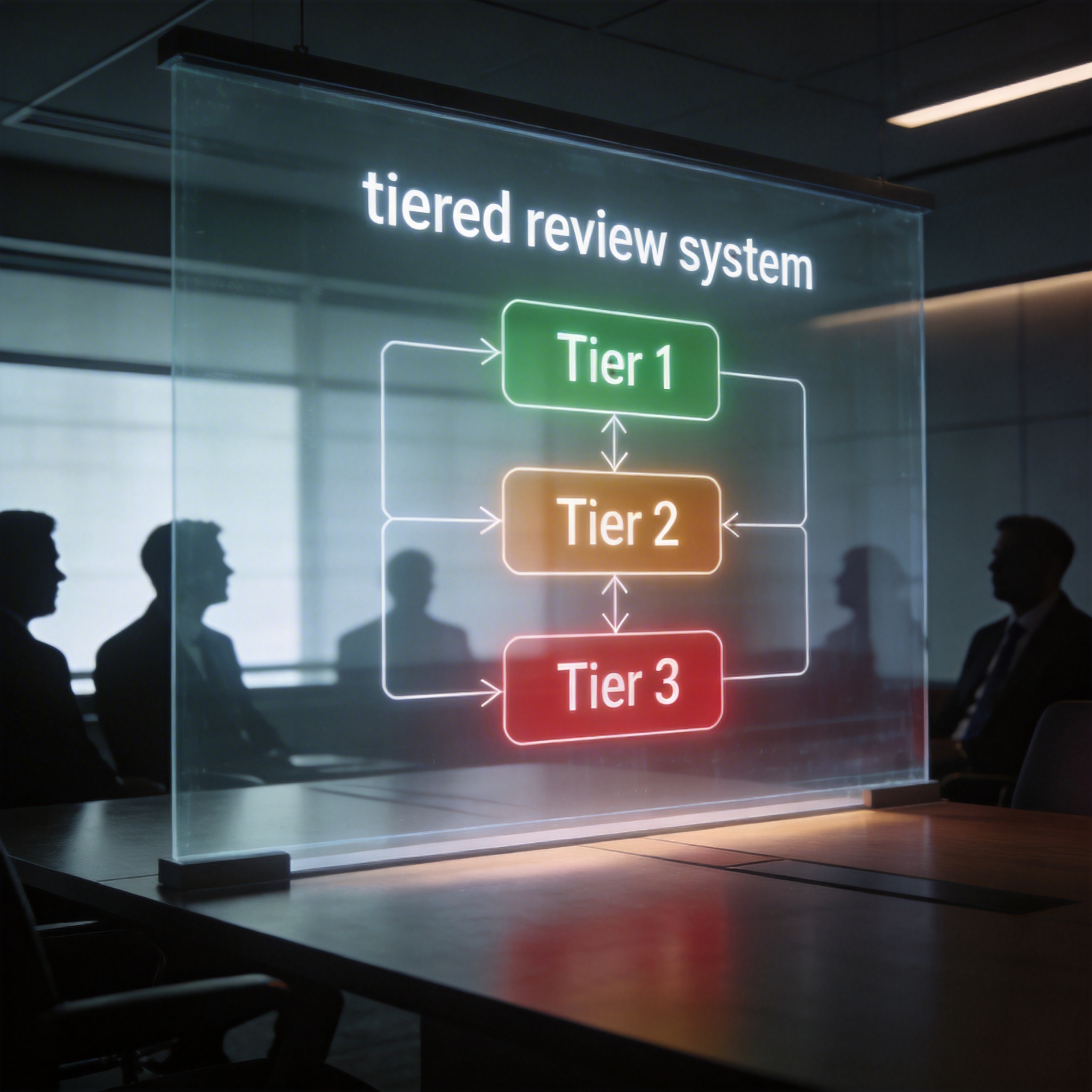
A projected tiered review system diagram with three levels, illustrating complex AI chip export regulations.
The proposed regulations aim to expand U.S. jurisdiction over AI infrastructure, moving beyond previous export controls that targeted specific entities. The new draft would extend restrictions to all global markets, establishing a tiered review mechanism based on the scale of computing power purchased.
Tiered Review System for AI Chips
Under the proposed system, the licensing process would be divided into three tiers:
Tier 1 (Small Scale): Enterprises purchasing 1,000 or fewer of the latest GPUs, such as Nvidia GB300, would qualify for a simplified review exemption, subject to stringent conditions.
Tier 2 (Medium to Large Clusters): Overseas enterprises planning to build medium to large computing clusters would need prior approval from the U.S. government before applying for an export license.
Tier 3 (Ultra-Large Scale): For projects involving over 200,000 chips, the host country's government would be required to negotiate directly with Washington. Affected overseas enterprises would need to disclose core business models to the U.S. and allow U.S. government envoys to conduct on-site inspections of data centers.

A large hand casting a shadow over a glowing microchip placed on a globe, symbolizing economic sovereignty infringement.
This framework is viewed by some as an infringement on economic sovereignty and commercial secrets, with reciprocal investment conditions for ultra-large-scale computing power deployment described as economic blackmail. The draft reportedly mandates that countries approved to purchase large quantities of advanced chips must make corresponding investments in U.S. digital infrastructure.
An example cited is NScale, a UK computing power leasing company, which planned to provide Microsoft with approximately 200,000 GB300 chips across multiple locations in the U.S. and Europe. Under the proposed U.S. policy, similar large-scale deployments by other countries would necessitate channeling significant domestic funds directly to the U.S. Similar requirements have reportedly been imposed in the Middle East, where countries investing domestically were also required to make equivalent direct investments in the U.S.
Market Impact and Global Response
A senior chip analyst at Bernstein noted that linking technology access to broader political demands could cause significant market turmoil, given that a large portion of Nvidia's sales are to U.S. domestic companies. The proposed global licensing system is seen as an escalation of intervention compared to previous administrations.
The cumbersome approval process is expected to cause delays in global data center construction, affecting projects in regions like France, India, and the Middle East. The use of licenses as diplomatic leverage could disrupt long-term business plans for multinational technology companies and hinder the coordinated development of the global technology industry.

A futuristic data center with halted construction and a digital overlay of a monitoring network, symbolizing delays and surveillance.
Another objective of the U.S. global licensing system is to establish a one-way computing power monitoring network. The draft reportedly requires precise tracking of the physical flow and ultimate use of high-performance chips through end-user reviews. U.S. Department of Commerce officials have cited combating semiconductor smuggling as a reason for such measures. The U.S. government is also considering restrictions on the storage of core intellectual property, such as model weights. Previous license terms have reportedly prohibited companies in the Middle East from providing computing services to specific Asian companies, and efforts are being made to restrict commercial leasing and use of computing resources in Southeast Asia.
U.S. domestic chip giants are also expected to be affected by these stringent controls. While the policy aims to maintain U.S. technological leadership, it could weaken the commercial competitiveness of U.S. companies in the global market. The global licensing system would impose heavy compliance costs on companies like Nvidia and AMD, with lengthy administrative reviews potentially extending sales cycles and leading to customer loss.
Despite assurances from some White House officials that the draft aims to promote U.S. AI technology exports, industry consensus suggests that excessive intervention could harm the long-term interests of the U.S. semiconductor industry. If alternative solutions from other countries mature, U.S. chip companies could face the risk of losing overseas markets.

Diverse hands holding different microchips, converging around a central glowing orb, symbolizing global AI independence.
Many countries have expressed resistance to the U.S.'s use of export control tools. Europe is accelerating its AI sovereignty strategy, while South Korea and India are developing national-level AI plans to enhance their technological independence. Governments worldwide recognize the strategic risks of relying on a single country for core computing power and are seeking to establish diversified, autonomous global computing power supply chains.
Stay Ahead of the AI Curve
Join 50,000+ subscribers getting the latest AI tools, trends, and tutorials delivered to their inbox weekly.
No spam, unsubscribe at any time.