
CoPaw 1.0 Introduces Custom Small Models, Enhanced Security, and Multi-Agent Collaboration
CoPaw 1.0 has been released, integrating custom small models, advanced security mechanisms, multi-agent collaboration, and improved memory management. This update builds on the initial open-source release of CoPaw, a personal intelligent assistant designed for local or cloud deployment. The project has seen substantial community engagement, with over 900 pull requests merged and contributions from more than 100 developers.
CoPaw operates within the AgentScope ecosystem, supported by three core layers: a framework layer based on AgentScope's agent framework and Runtime for stable scheduling and cross-platform deployment; a memory layer integrated with the ReMe mechanism for contextual awareness and long-term memory; and a model layer featuring custom small models optimized for local high-frequency tasks through Trinity-RFT post-training and OpenJudge evaluation alignment.
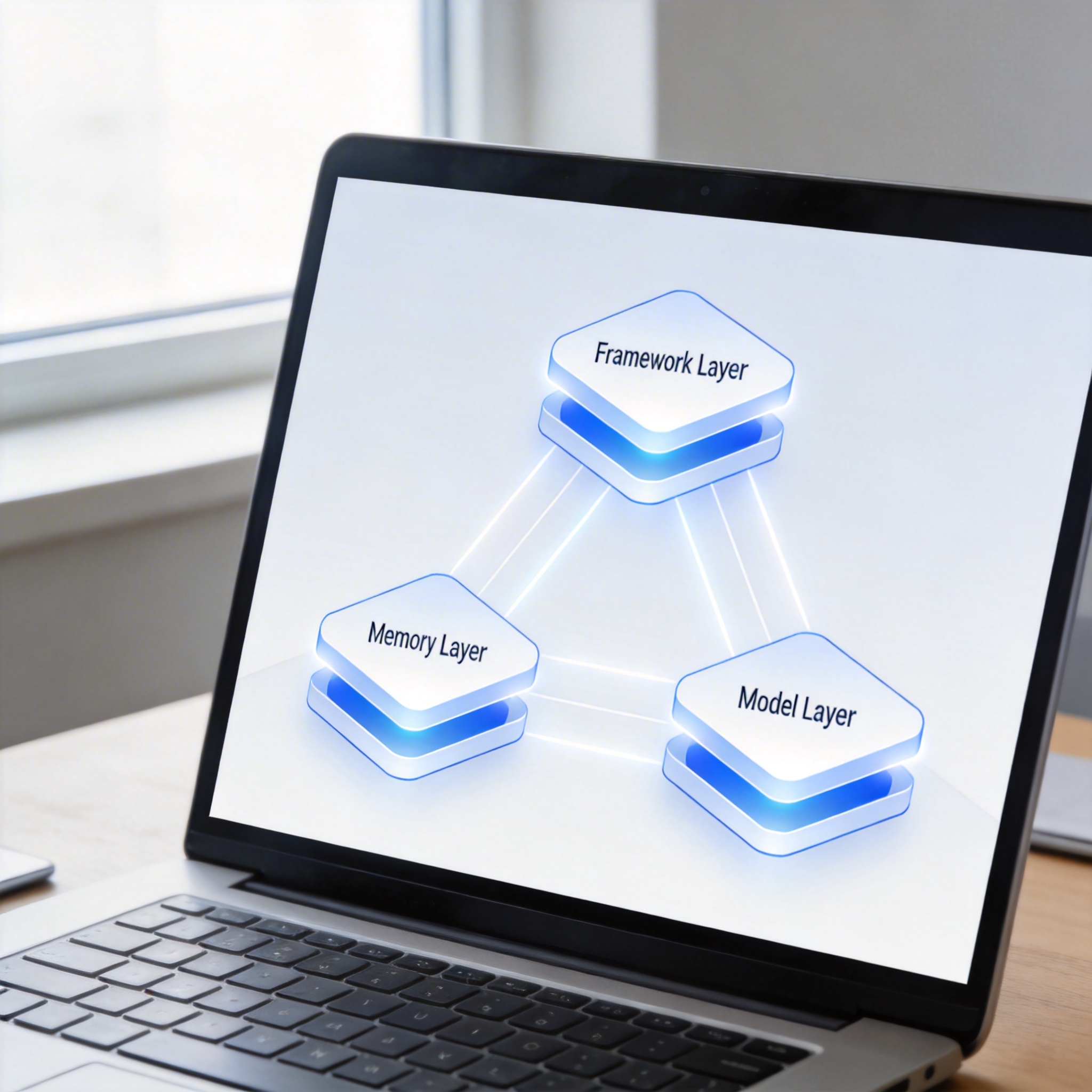
Diagram on a laptop screen illustrating CoPaw's three core architectural layers: framework, memory, and model.
Localized Model Deployment and CoPaw-Flash Series
CoPaw 1.0 now fully supports localized model deployment, offering a low-threshold, one-click installation process. Users can deploy CoPaw-Flash series models locally, which are custom-tailored for CoPaw, balancing user experience, inference costs, and privacy.
The system supports local deployment on Mac, Windows, and Linux, enabling standard computers to run CoPaw-Flash without cloud dependency. This local operation ensures data remains on the device, enhancing privacy for sensitive data processing for both individual and enterprise users.

Professionals working on laptops in a modern office, symbolizing localized model deployment and data privacy.
CoPaw-Flash models are developed using the Trinity-RFT post-training framework and the OpenJudge agent model evaluation framework. These models are optimized for high-frequency tasks in personal assistant scenarios, including document processing, scheduled tasks, memory updates, and information retrieval. Benchmarking indicates that CoPaw-Flash models achieve performance comparable to Qwen3.5-Plus and GPT-5.4 in these specific tasks.
To simplify local deployment, CoPaw 1.0 provides comprehensive local model management. CoPaw-Flash is available in three sizes (2B, 4B, and 9B), each with full, Q8, and Q4 quantized versions, allowing users to select based on device specifications. The system automatically recommends the most suitable small model, and users can manage downloads, activation, and switching via the console.
Enhanced Security Architecture
CoPaw 1.0 implements a layered defense architecture to address security risks associated with file operations and tool calls. This architecture comprises three lines of defense:
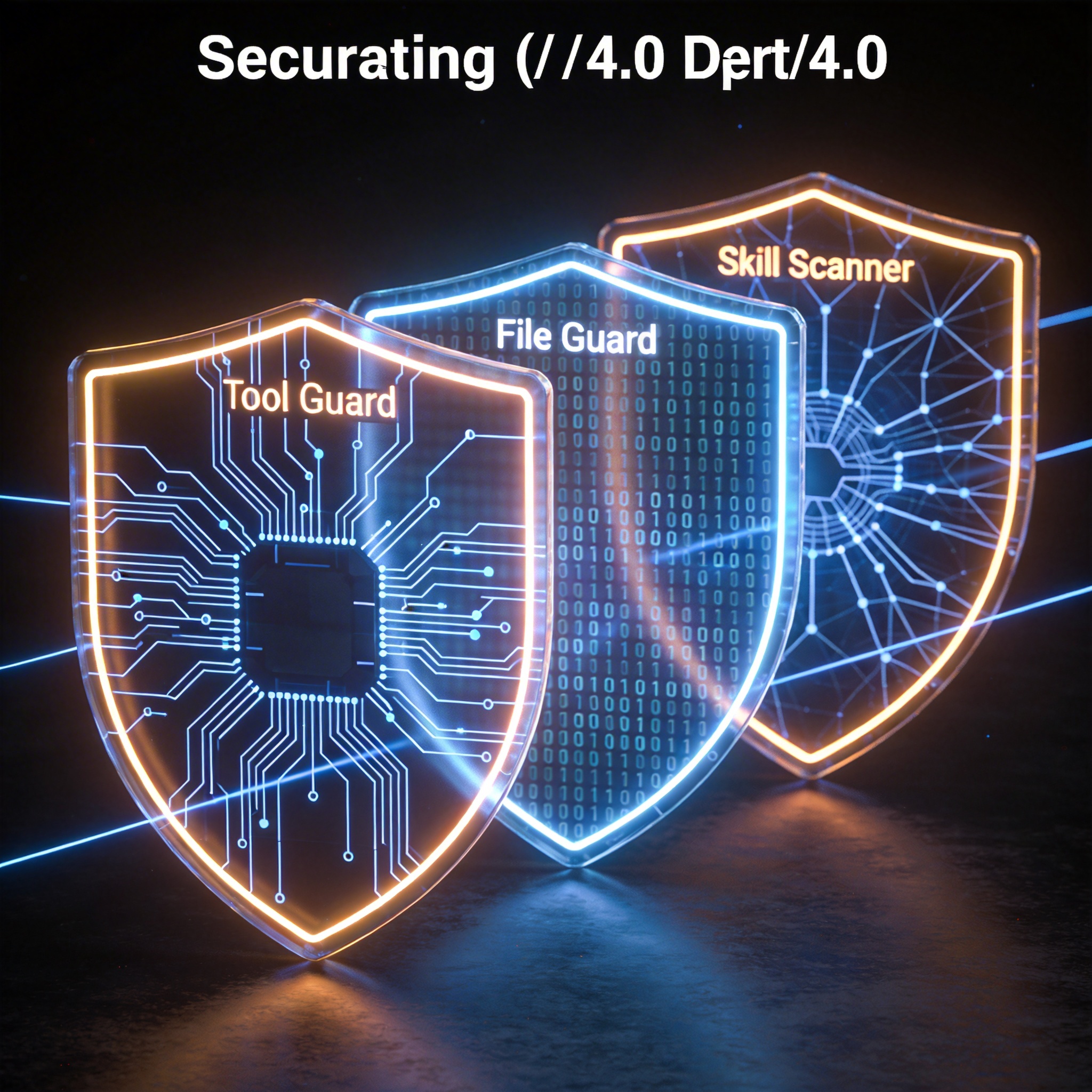
Three glowing digital shields representing CoPaw's layered security architecture: Tool Guard, File Guard, and Skill Scanner.
The Tool Guard acts as a Runtime Defense Layer, detecting and intercepting dangerous patterns like command injection, privilege escalation, and reverse shells before an agent calls a tool. High-risk operations trigger secondary confirmation. Defense strategies are configurable, allowing users to set custom rules and interception levels.
The File Guard serves as an Access Control Layer, protecting sensitive paths and high-risk operations. It remains active regardless of the Tool Guard's status, normalizing paths and recursively protecting directories to limit agent access and reduce risks such as accidental deletion or path traversal.
The Skill Scanner functions as an Admission Audit Layer, automatically scanning skills before installation or activation. It detects nine categories of risk patterns, including command injection and data exfiltration, offering intercept, warn, or disable modes. Scan results are auditable, enabling secure skill extension within CoPaw.
Multi-Agent Collaboration and Workspace Management
CoPaw 1.0 supports running multiple independent agent workspaces within a single instance, each with its own configurations, memory, and skills. This allows agents to respond independently to different channels or collaborate on complex tasks. Key capabilities include:
Workspace Isolation: Multiple isolated agents can run within the same instance, each with independent configurations, memory, skills, and conversation history.
Concurrent Startup and Isolation: Enabled agent workspaces load concurrently, processing different tasks in parallel with concurrency safety and isolation ensured by a locking mechanism.
Zero-Downtime Reload: Individual agent configurations can be hot-reloaded. New instances are atomically switched in, and old instances exit after completing current tasks, preventing conversation interruptions.
Asynchronous Collaboration: Agents can engage in explicit communication and background collaboration, allowing a main agent to submit tasks and query results later.
These capabilities are orchestrated and isolated within the console, facilitating scenario-based persona configuration and system-level collaboration. CoPaw provides CLI commands and built-in skills for multi-agent collaboration, allowing a main agent to orchestrate and schedule multiple agents for complex tasks. Collaborating agents default to new sessions to prevent context pollution, and complex tasks support asynchronous collaboration.
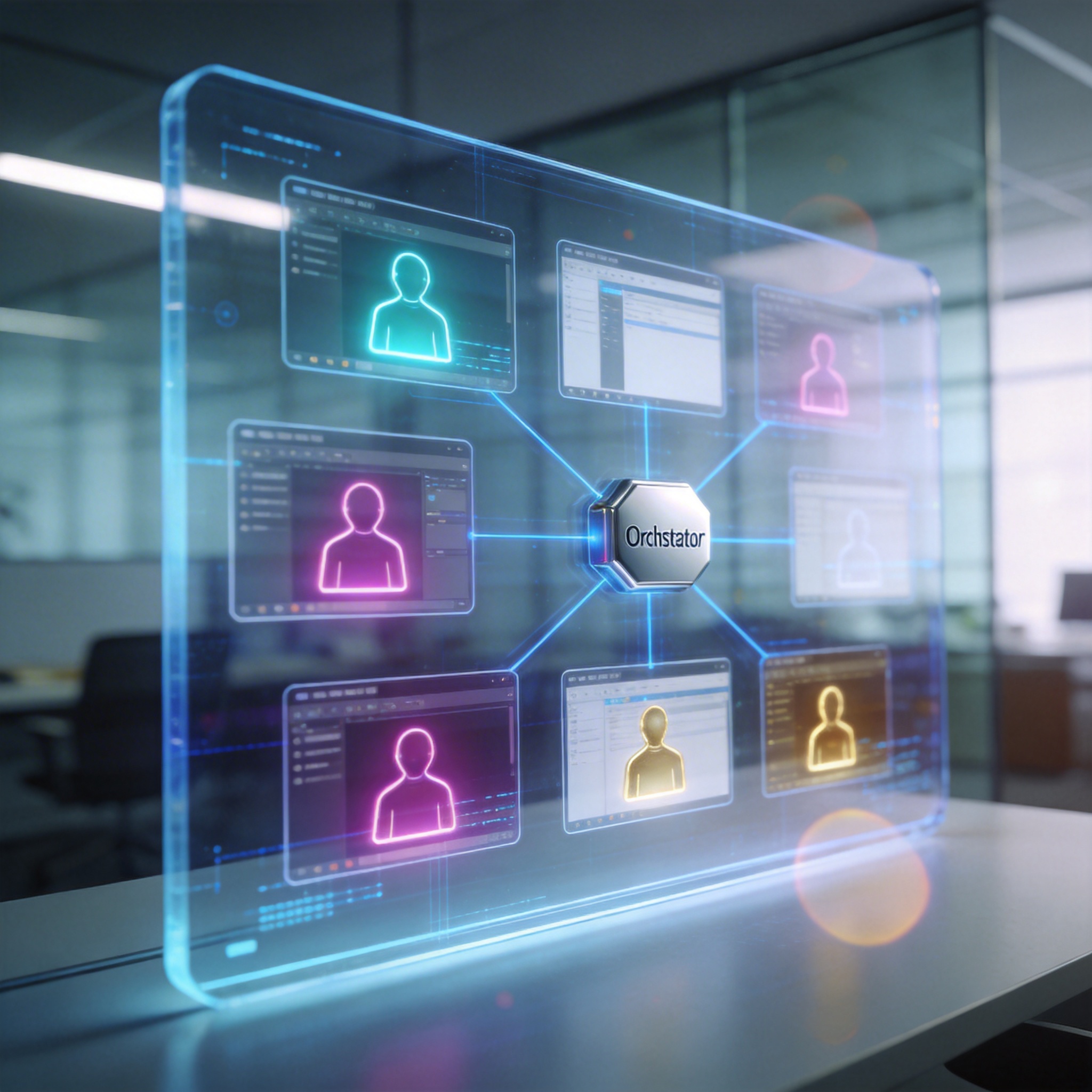
Multiple independent agent workspaces displayed on a screen, illustrating multi-agent collaboration and isolation.
Advanced Memory Management
CoPaw 1.0's memory system, powered by ReMe, manages context and stores memory. Context management uses a layered mechanism, retaining key information and recent interactions for current conversations while persistently storing historical conversations, summaries, and tool results. Before inference, CoPaw dynamically organizes context, prioritizing recent relevant content and compressing older information into structured summaries. Tool results are compressed over time, balancing conversational coherence, information completeness, and processing efficiency.
Personalized memory accumulates user preferences, task experience, and knowledge through structured summaries and long-term memory files. Retrieval combines vector and full-text capabilities. In multi-agent scenarios, memories are isolated to reduce cross-task interference. Future plans include granular memory permission control and cross-agent memory fusion.
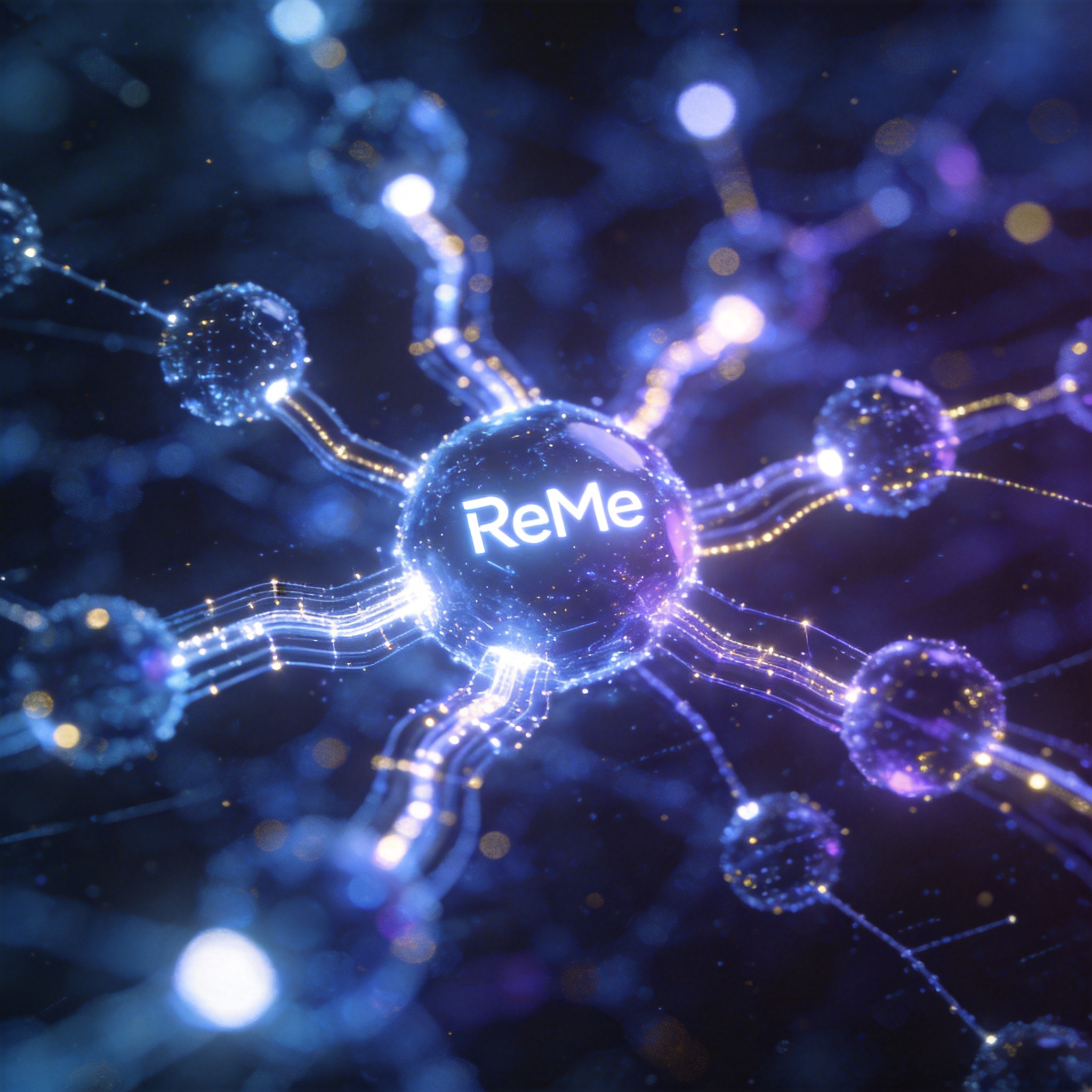
Abstract visualization of CoPaw's advanced memory management system, showing interconnected nodes and data streams.
User Experience and Interaction Upgrades
Based on Spark-Design, CoPaw 1.0 has upgraded its interactive experience, focusing on broader channel coverage, simpler display, finer configuration, and transparent review.
Wider Coverage: Channel capabilities have expanded to support over 10 channels.
Simpler Display: Message filtering can be configured by channel, allowing users to filter tool calls, intermediate outputs, or model thoughts, presenting only the final response in the chat interface.
Finer Configuration: Context and runtime configurations can be adjusted in the console workspace. Core Markdown files can be included in conversation context and sorted via drag-and-drop. Runtime parameters such as maximum context input length, memory compression ratios, and retention of recent context can be adjusted.
More Transparent Review: Token usage visualization is improved, automatically recording input and output token counts and call times for each model call. A Token consumption page in the console provides centralized viewing and review.
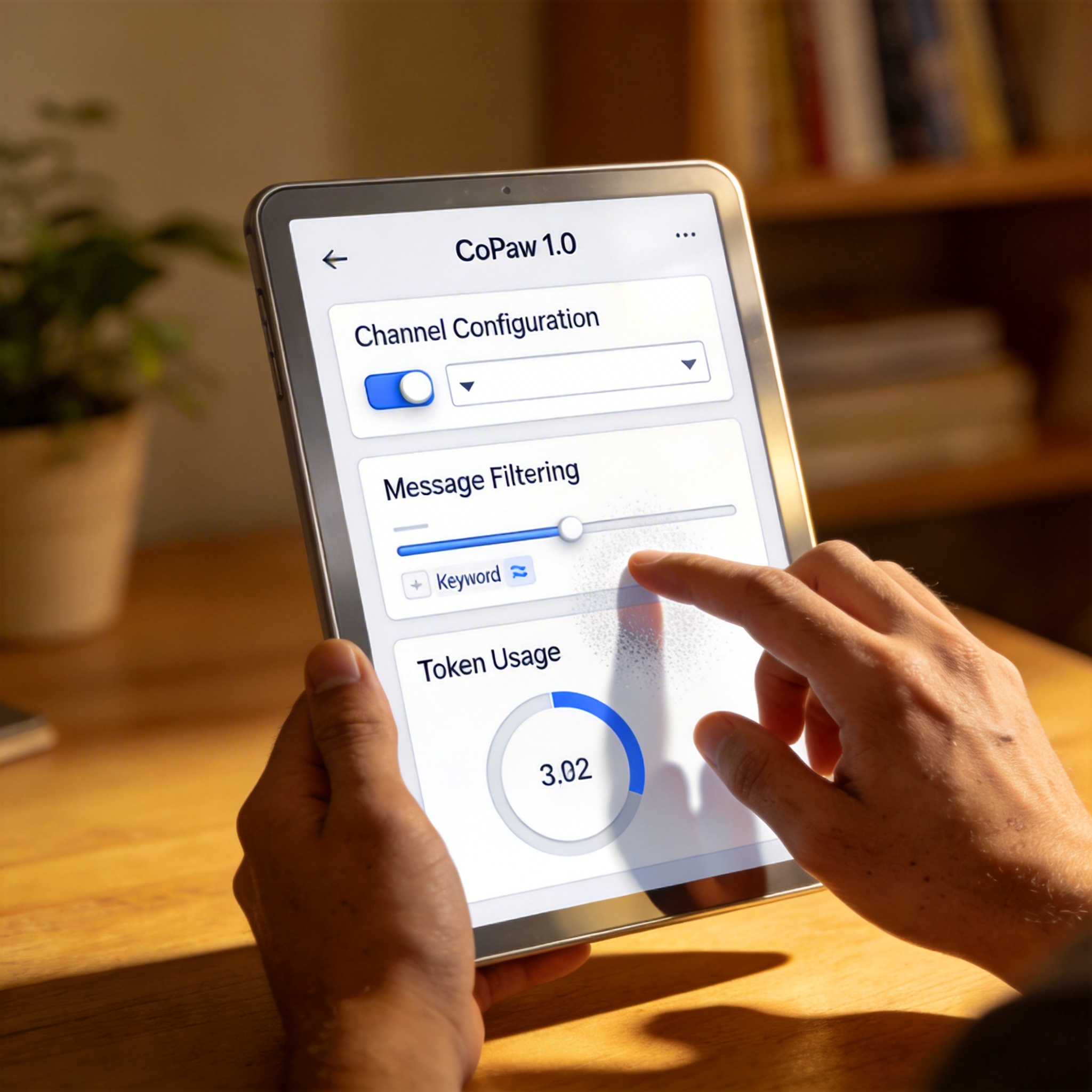
Hands interacting with a tablet displaying CoPaw 1.0's user interface with improved channel coverage and token usage visualization.
Installation and Future Developments
CoPaw 1.0 offers six installation methods, including a new desktop application that requires no pre-installed Python or environment variable configuration. Other methods include one-line script installation, pip installation, Docker installation, and one-click cloud installation.
The HiClaw project has joined the AgentScope ecosystem, collaborating with CoPaw to build multi-agent infrastructure. While CoPaw is a personal intelligent assistant, HiClaw targets enterprises with a Manager-Workers collaboration architecture, focusing on collaboration between people and agents within an enterprise. HiClaw will integrate CoPaw as its agent core to enhance capabilities for long-term, parallel, and collaborative tasks.
Future plans for CoPaw include an edge-cloud model collaboration solution, where sensitive, high-frequency, and lightweight tasks will be handled by local small models, while complex planning and inference steps will be managed by cloud-based large models. This aims to assign workflow nodes to suitable models and enable multi-agent and large/small model collaboration for complex tasks.
Stay Ahead of the AI Curve
Join 50,000+ subscribers getting the latest AI tools, trends, and tutorials delivered to their inbox weekly.
No spam, unsubscribe at any time.