
OpenAI's GPT-5 Solves Black Hole Equations in 18 Minutes, Accelerating Scientific Discovery
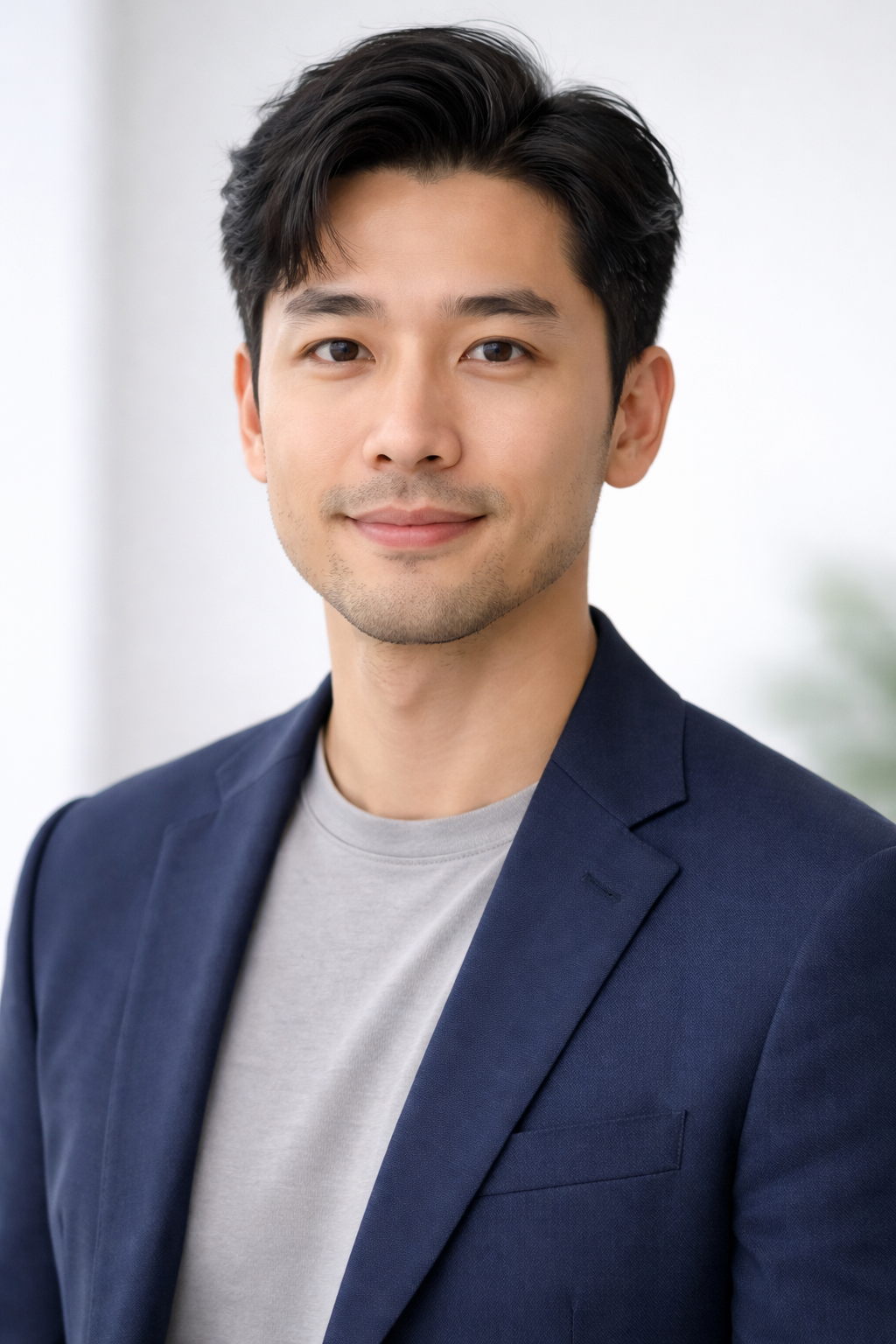
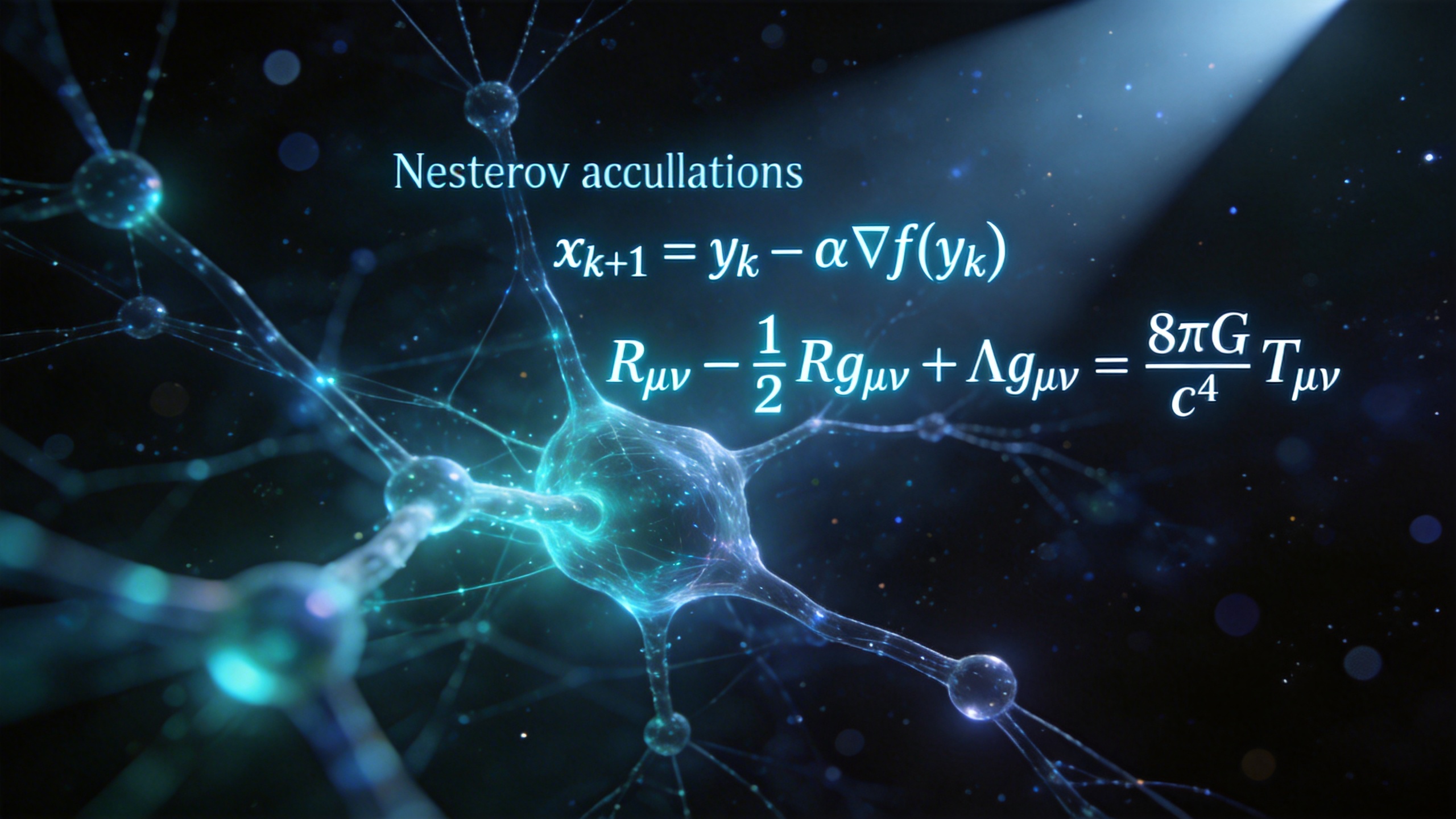
Artificial intelligence is rapidly becoming a critical tool for scientific research, significantly accelerating discoveries across various fields. OpenAI's ChatGPT, for instance, has demonstrated capabilities ranging from resolving complex optimization problems in days to replicating black hole symmetries in minutes.
Kevin Weil, OpenAI's Vice President of Science, projects that by 2026, AI will be as integral to scientific endeavors as it was to software engineering in 2025. This integration is evident from quantum physics to astrophysics and from protein design to drug development.
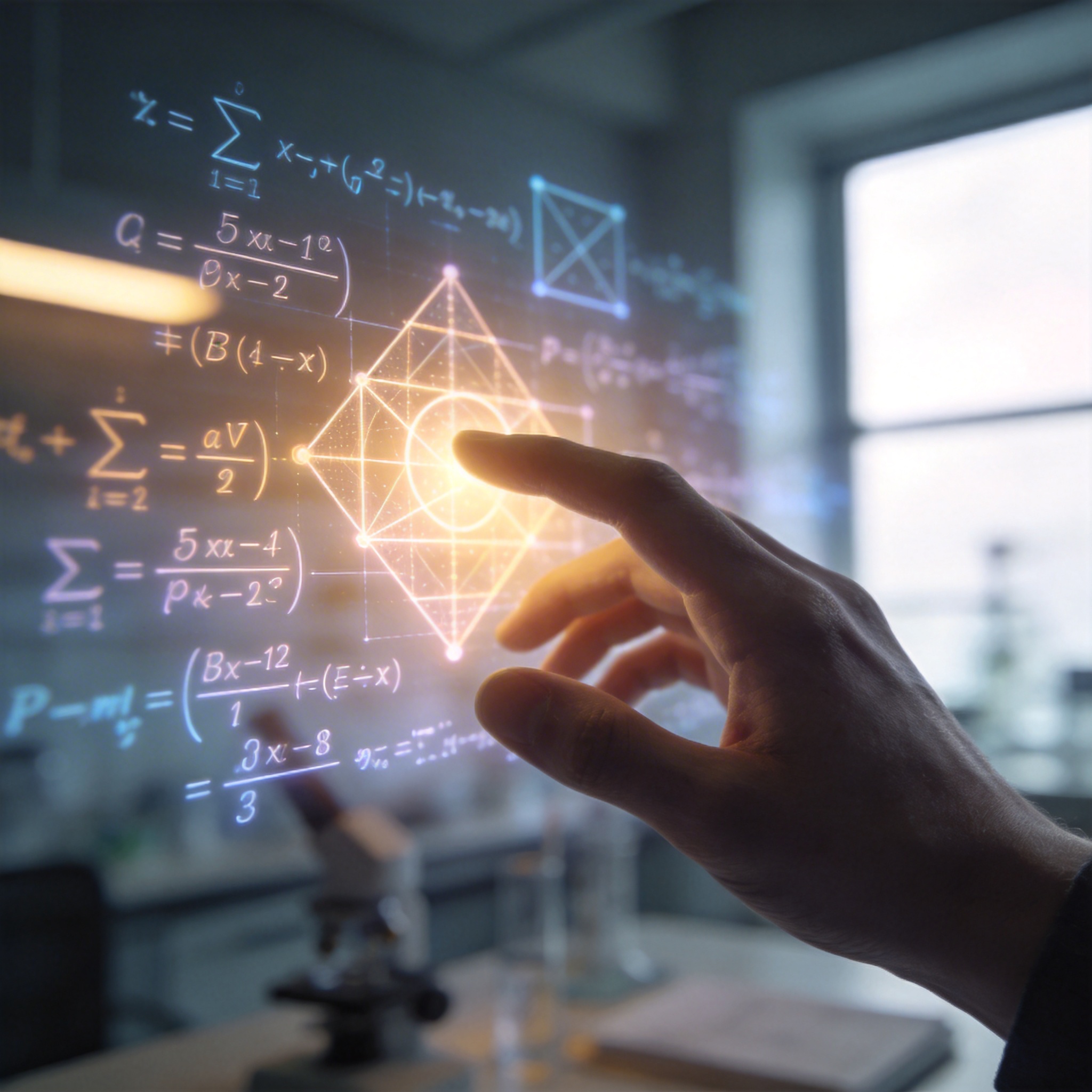
Human hand interacting with holographic mathematical formulas, symbolizing AI's impact on mathematical proofs.
AI's Impact on Mathematical Proofs
Mathematics, often considered the most challenging of sciences, is also experiencing a transformation through AI. While large language models struggled with basic arithmetic two years ago, GPT-5.2 has reportedly achieved a gold medal equivalent in the International Mathematical Olympiad.
Mathematician Ernest Ryu's experience highlights this progression. In 2023, Ryu attempted to use ChatGPT to schedule a baseball season, a task requiring the management of numerous hard and soft constraints. At the time, the model proved inadequate for such complex scheduling. However, by 2025, following OpenAI's reported IMO gold medal win, Ryu observed a significant leap in AI's capabilities. The same types of scheduling problems that previously stumped the AI could now be reliably solved.
Encouraged by these advancements, Ryu began integrating ChatGPT into his daily academic work. He then decided to apply AI to an open research problem related to "Nesterov acceleration," a known optimization technique. Over three nights, Ryu and the AI collaborated intensively. Initially, the AI provided a proof with computational errors. Ryu corrected these errors, retaining valid intermediate steps and guiding the model toward new ideas. He likened this iterative process to "walking a maze," where he navigated through successful paths and discarded dead ends, estimating that ChatGPT increased his problem-solving speed by three to ten times.
On the third night, the AI produced a novel argument that unlocked the entire proof. Ryu meticulously verified the result, including having his students confirm it. He then shared this achievement with the optimization community, generating considerable excitement. The team subsequently condensed the continuous-time result into a discrete-time algorithmic statement, achieving a publishable level of innovation. This successful collaboration led Ryu to join OpenAI's synthetic data team, where he now focuses on enhancing the model's mathematical capabilities.
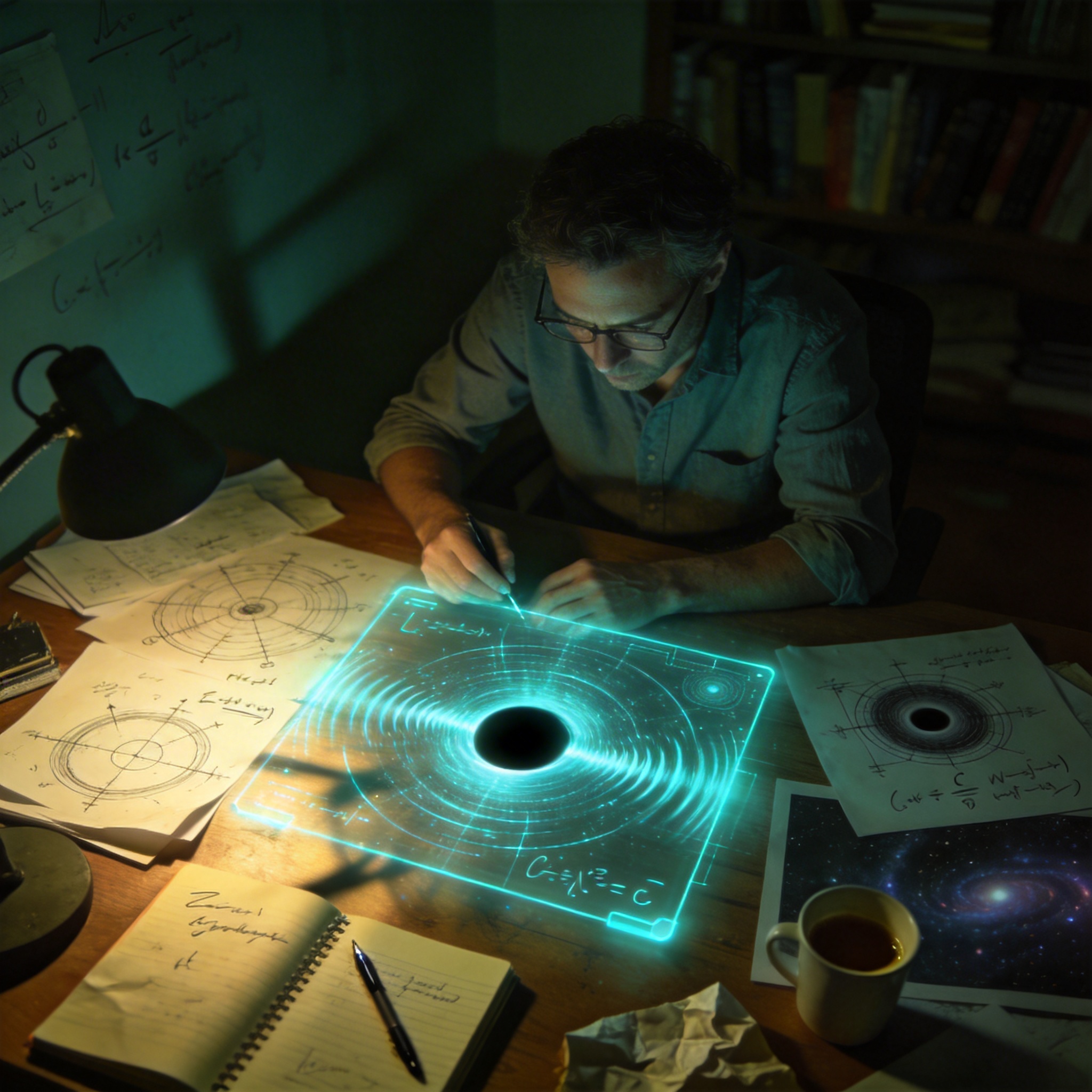
Theoretical physicist working on black hole equations with AI assistance, symbolizing accelerated discovery.
Accelerating Theoretical Physics and Biology
The impact of AI extends beyond mathematics. Theoretical physicist Alex Lupsasca, who spent years developing skills and months deriving the black hole tidal response equation, tested GPT-5 Pro with minimal guidance. Within approximately 18 minutes, the model returned the exact same symmetry generators. This experience, where AI replicated a key discovery Lupsasca had made through extensive effort, prompted him to join OpenAI. His current work involves moving AI applications in scientific research beyond isolated successes toward systematic, repeatable acceleration. His goals include developing better tools for interpreting research papers, creating more powerful workflows than single chat interfaces, and embedding advanced physics deeper into AI models. This approach aims to reduce the time researchers spend on complex algebraic derivations, allowing them to focus on fundamental physics mysteries.
In the biological field, a collaboration between OpenAI and RetroBioSciences demonstrates AI's ability to tackle biological problems. RetroBio focuses on making cell reprogramming practical to extend human lifespan. This process uses "OSKM" factors to reset cellular age characteristics, but it slows down in aged cells. RetroBio sought to introduce new proteins to accelerate this process. OpenAI developed GPT-4B Micro, a protein-specific foundational model trained on multimodal biological data. This model generated thousands of candidate protein sequences. After screening, RetroBio synthesized these sequences and delivered them to human fibroblasts. Subsequent research indicated that the AI-generated proteins performed comparably to, and in some cases surpassed, existing optimal engineered factors.
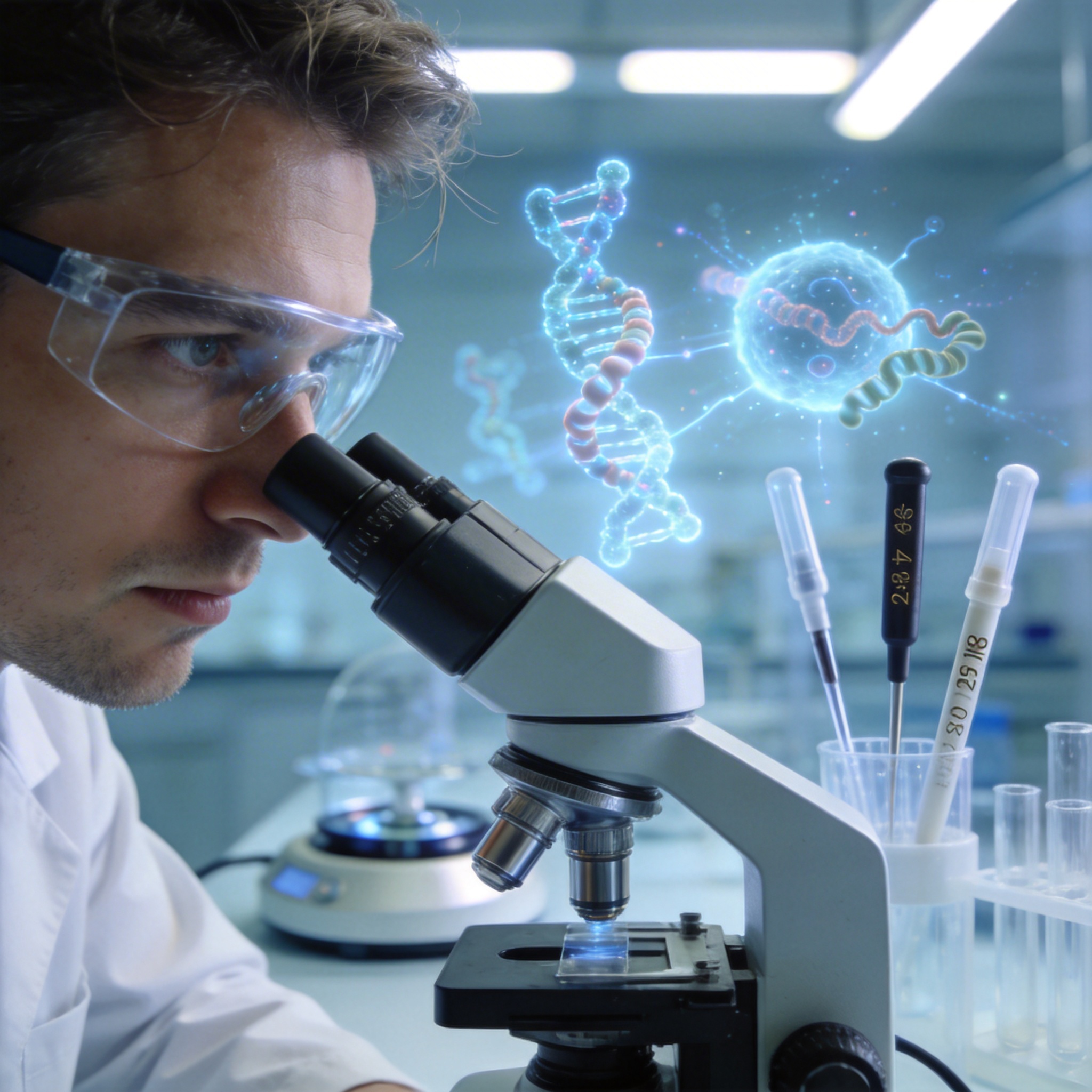
Scientist in a lab examining biological samples, with abstract protein structures in the background, symbolizing AI in biology.
The Evolving Role of AI in Research
In January 2026, OpenAI released the white paper "AI as a Scientific Collaborator," illustrating how AI functions as a research partner. The paper notes that by 2026, ChatGPT generates 8.4 million conversations weekly on advanced scientific and mathematical topics from 1.3 million active users globally. In 2025, messages related to advanced science increased by 50%.
Researchers using AI exhibit a more focused and in-depth engagement compared to general users. Their message volume is 3.5 times higher, and their frequency of programming-related messages is 12 times greater. Their workflows heavily concentrate on code generation and debugging, data analysis, mathematical derivation, and literature review.
Kevin Weil emphasizes that AI is increasingly becoming a scientific collaborator, driving a new phase of accelerated scientific discovery. OpenAI's objective is to empower every scientist with AI capabilities, aiming to achieve the scientific progress of 2050 by 2030. This suggests that the pace of scientific discovery in the coming decade may exceed that of the entire past century.
Stay Ahead of the AI Curve
Join 50,000+ subscribers getting the latest AI tools, trends, and tutorials delivered to their inbox weekly.
No spam, unsubscribe at any time.