
OpenAI's GPT-Image-2 Leaked, Demonstrating Advanced Text Rendering and Realistic Imagery
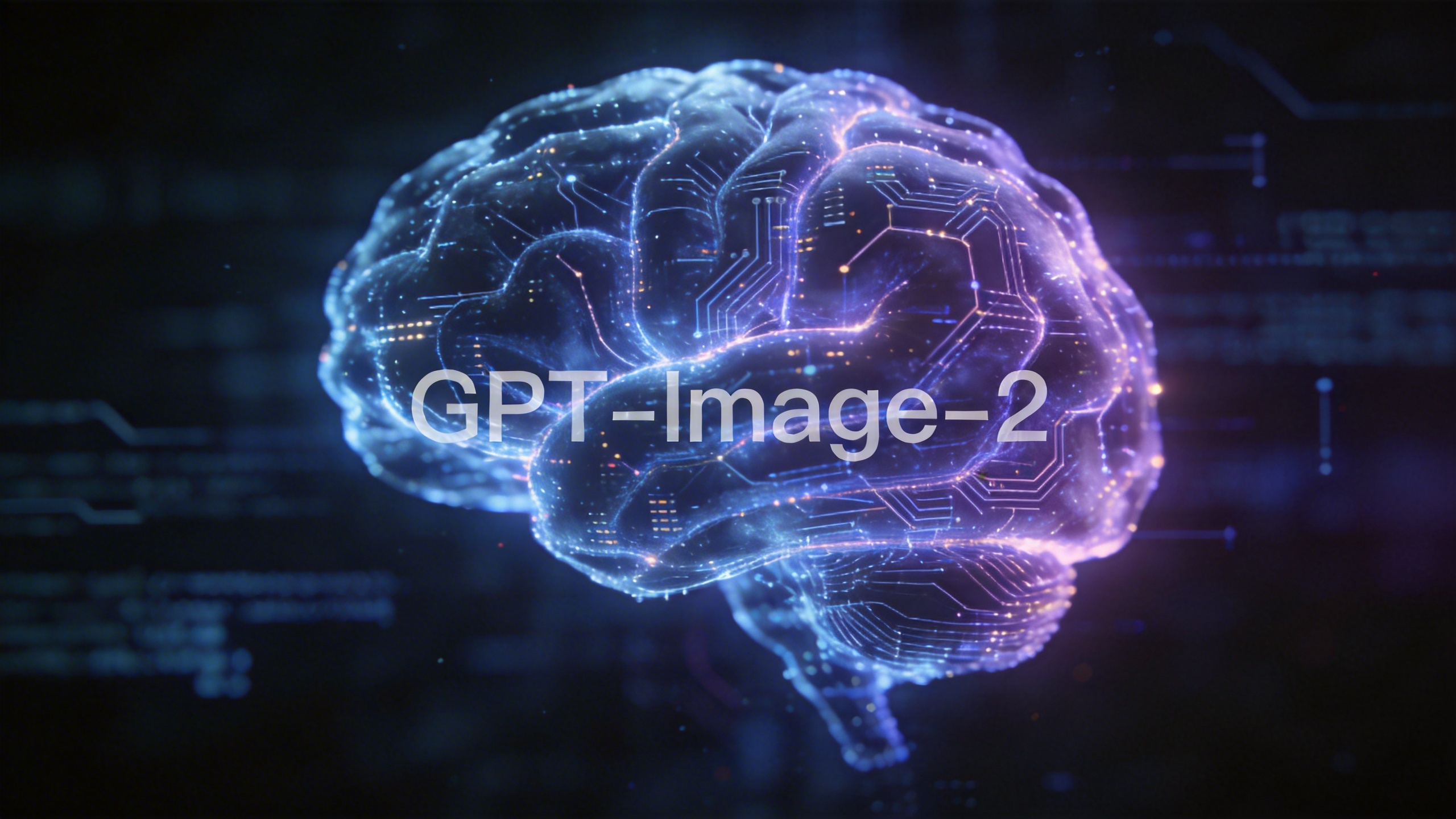
OpenAI's new multimodal model, GPT-Image-2, has reportedly been leaked, showcasing advanced capabilities in image generation, particularly in text rendering and realistic imagery. The model, internally rumored to be codenamed GPT-5o/Spud, appeared briefly on Chatbot Arena under various alpha designations before being removed.
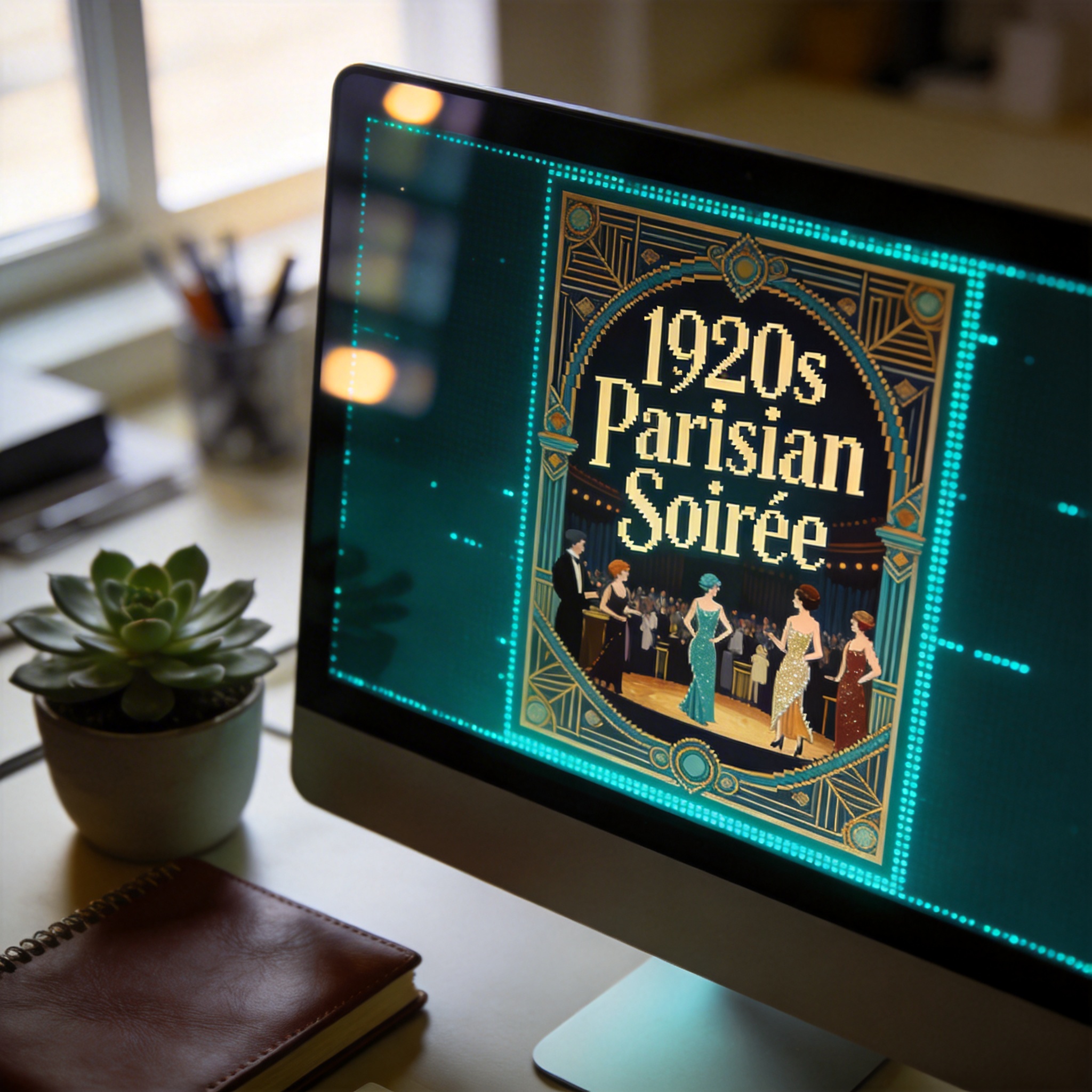
Computer screen displaying a 'pixel-perfect' AI-generated image with integrated text.
The alleged leak has generated significant discussion online, with many observers noting its ability to produce "pixel-perfect" reproductions of images, including complex text-image combinations and detailed portraits.
GPT-Image-2's Enhanced Capabilities
GPT-Image-2 is described as an evolution from its predecessor, GPT-Image-1.5, which was released in December. The new model reportedly features two core advancements: extensive "world knowledge" that enables it to generate images consistent with real-world physics and logic, and superior text rendering technology that addresses common issues like garbled text in AI-generated images.
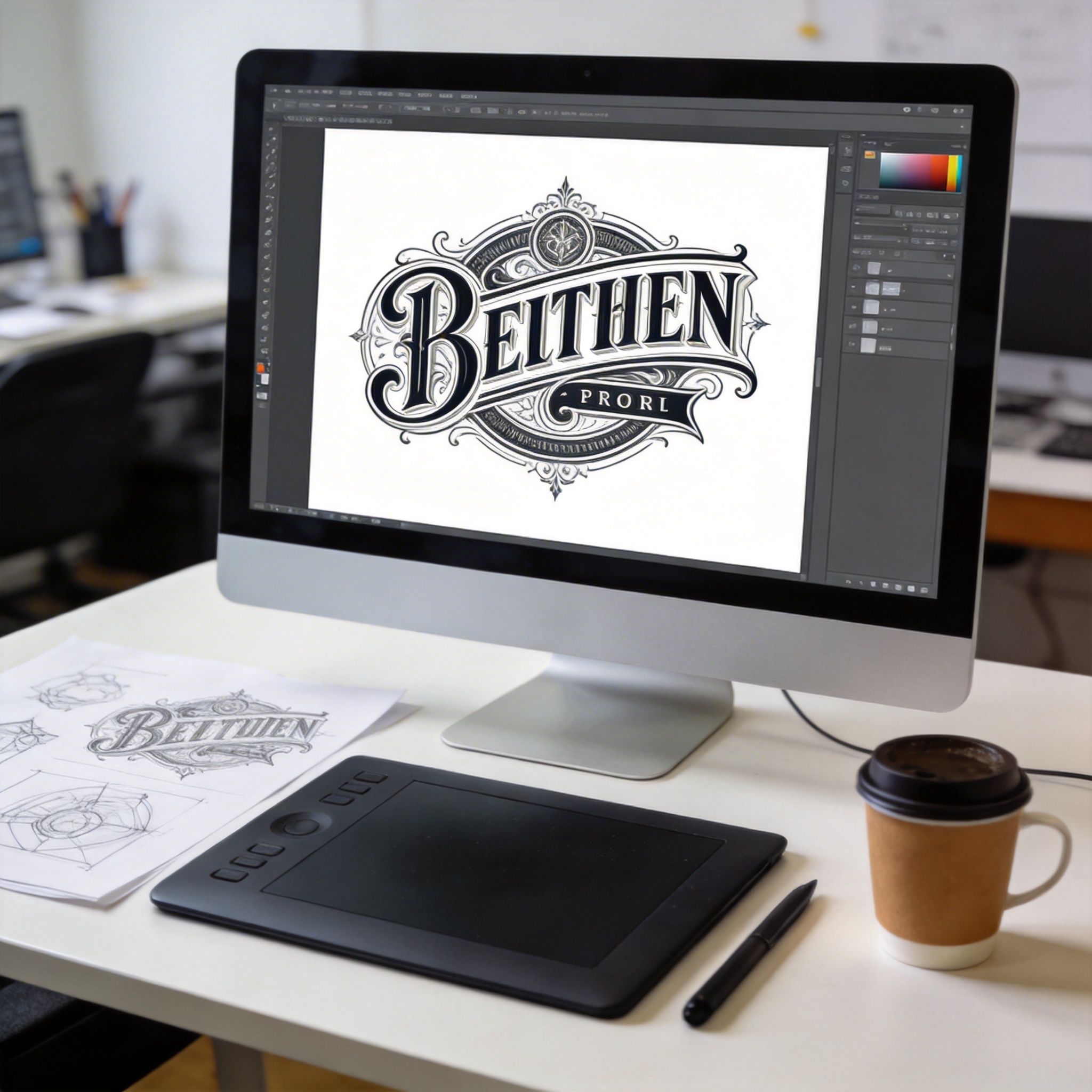
Graphic designer's desk with a monitor showing a perfectly rendered AI-generated logo design.
Users have tested GPT-Image-2 across various scenarios, including logo design, YouTube screenshots, and anatomical diagrams with precise terminology. One notable demonstration involved the model generating ancient Chinese cursive poetry, indicating a strong grasp of complex character structures.
The model's ability to create realistic images extends to character generation, with examples such as an "Ultraman group photo" showing fine details like wrinkles, beards, and eye highlights without apparent AI artifacts.
Impact on Design and Comparison to Other Models
Some observers suggest that GPT-Image-2's capabilities could significantly impact the design industry, potentially rendering traditional tools like Photoshop less essential for certain tasks. The model is said to offer full-stack design output, capable of generating precise web front-end UI and complex OS system interfaces directly from an idea to a prototype.

Hand interacting with a holographic projection of a web UI, symbolizing AI's impact on design.
In comparisons with other AI image generation models, GPT-Image-2 is described as outperforming Google's Nano Banana Pro, particularly in spatial understanding and realistic texture, which reportedly eliminates the "plastic feel" often associated with AI-generated content. The model also appears to address issues like unnatural color casts or "yellow filters" in complex lighting conditions.
Rumors of GPT-6 Development
Alongside the GPT-Image-2 leak, information regarding GPT-6 has also surfaced. According to internal reports, GPT-6, also codenamed "Spud," completed pre-training in March and is in a "ready-to-deploy" state, with a potential release date in April.
GPT-6 is rumored to demonstrate a 40% performance improvement over GPT-5.4 in programming, reasoning, and agentic tasks. Its technical specifications reportedly include a context window of up to 2 million tokens, double that of GPT-5.4, with a pricing structure of $2.5/$12 per million tokens.

Abstract network of glowing nodes and lines, symbolizing increased computational power and context window.
Further reports indicate that OpenAI has reallocated GPU computing power to GPT-6 development, with the product department being renamed the "AGI Deployment Department." OpenAI President Greg Brockman has stated that AGI has reached 70-80% completion, with GPT-6 expected to bridge most of the remaining gap.
However, the safety team has reportedly been moved under the Chief Revenue Officer, and OpenAI CEO Sam Altman has withdrawn from safety oversight to focus on data center construction. The company is said to be on "red alert" internally, with GPT-6 positioned as a key outcome of these efforts. Future plans reportedly include merging ChatGPT, Codex, and the Atlas browser into a new desktop-level "super application."
Stay Ahead of the AI Curve
Join 50,000+ subscribers getting the latest AI tools, trends, and tutorials delivered to their inbox weekly.
No spam, unsubscribe at any time.