
OpenClaw 3.12 Update Introduces UI Overhaul, Model Acceleration, Enhanced Stability

OpenClaw has released two consecutive updates, versions 2026.3.11 and 2026.3.12, focusing on user experience and operational stability. The updates include a V2-level refresh of the control interface, new multimodal memory capabilities, and strengthened failover mechanisms for automated tasks.
The updates address common operational challenges, particularly for users managing automated processes. Hundreds of commits across the two versions indicate a focus on refining the platform's core functionalities.
Abstract network of glowing nodes and lines, symbolizing software development commits and refinement.
User Interface and Setup Improvements
The Control UI has undergone a V2-level refresh, featuring a modular gateway dashboard that separates overviews, chat, configurations, Agents, and sessions. The chat toolchain has been expanded with slash commands, message search, export, and pinning, alongside a dedicated mobile tab.
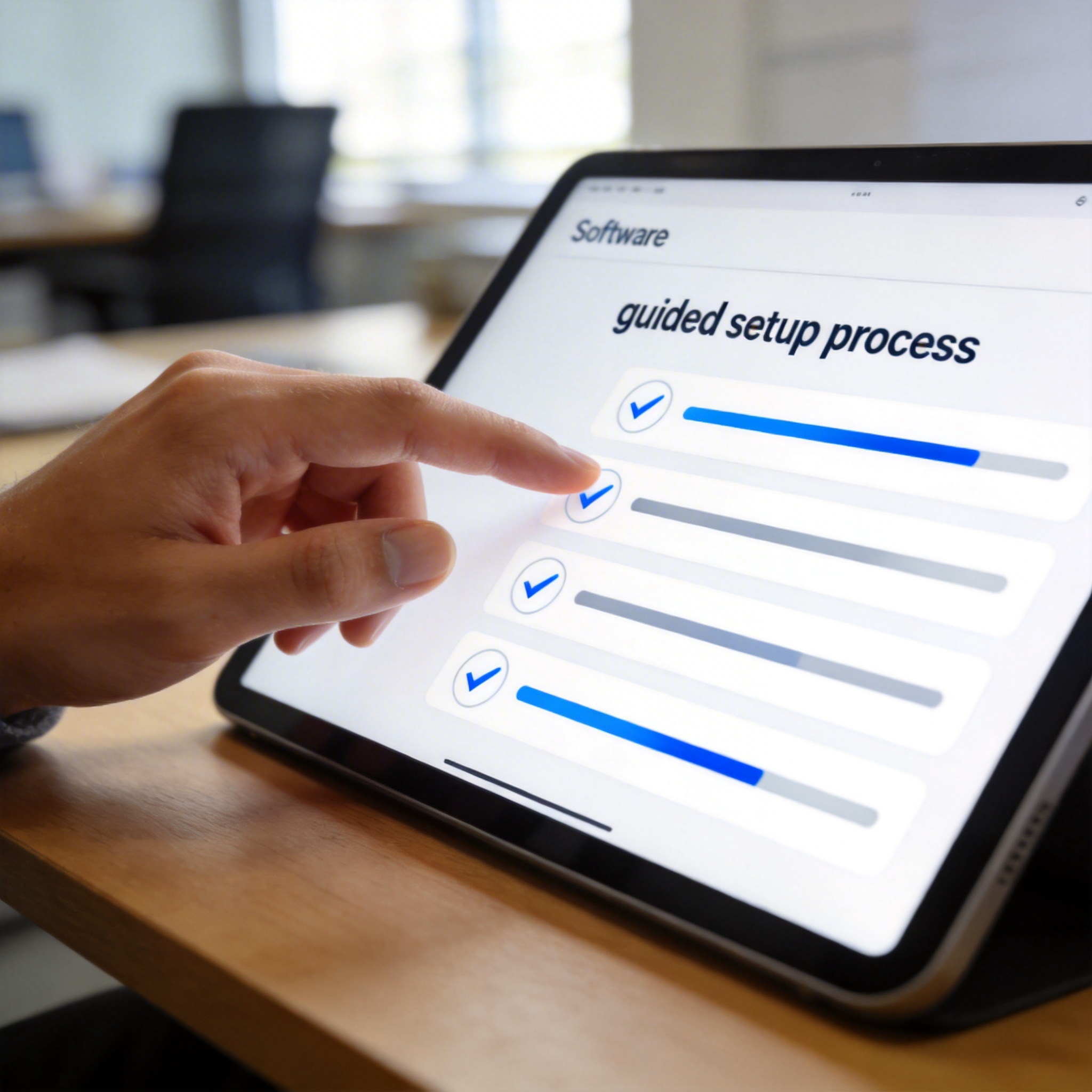
Tablet screen showing a guided software setup process with clear steps and progress indicators.
For Ollama users, the update introduces a guided setup process for configuring local models, replacing the previous manual configuration. This setup supports pure local or "cloud + edge" hybrid modes and includes model recommendations. Cloud models can now bypass local pulling, aiming to simplify the environment setup for new users.
Apple users will find specific enhancements. The iOS version's Home interface has been redesigned with a new layout and a Dock bar, offering prompt refresh upon reconnection and foreground activation. The macOS chat UI now features an independent model selector and persists "Thinking level" preferences across restarts.
Abstract digital landscape with fast-moving light streaks, symbolizing API acceleration and fast mode.
Engine Upgrades and Multimodal Memory
The 3.12 update includes an API acceleration channel. Following OpenAI's GPT-5.4 release, a Fast Mode switch has been added at the session layer. Claude's underlying logic has also been mapped to Anthropic's advanced service tier requests, allowing for faster processing via /fast, TUI, Control UI, and ACP.
A significant addition is the Gemini-powered multimodal memory, which introduces image and audio indexing capabilities based on gemini-embedding-2-preview. This allows the system to embed blueprints and recordings into memory for contextual use, potentially improving accuracy in scenarios involving screenshot-driven computer operations.

Digital interface showing multimodal memory with image and audio indexing, powered by Gemini.
OpenRouter free users have temporary access to two hidden models, Hunter Alpha and Healer Alpha, for a trial period.
Agent Orchestration and Disaster Recovery
The update enhances Agent orchestration with a feature called sessions_yield. This allows the Orchestrator to terminate an Agent's current turn, skip queued tools, and inject a payload into the next turn, enabling more controlled scheduling logic for complex multi-Agent collaborations.
An automatic recovery and backup mechanism has been strengthened to improve operational stability. The failover logic now handles issues such as API quota exhaustion (402 errors), abnormal model responses, underpayment with Venice or Poe, malformed Gemini responses, or network errors from providers. The gateway will switch to a configured backup model and includes built-in cooldown detection to resume operations after issues are resolved.

Abstract digital shield deflecting error signals, symbolizing automatic recovery and failover mechanisms.
The ACP (Agent Control Protocol) experience has also been hardened. The ACP bridge mode now supports tool flows with text prompts, accurately replays terminal text when resuming sessions, and intercepts unsupported mode modifications across platforms to prevent silent failures in IDE clients.
Security Vulnerability Fixes
Over a dozen security issues (GHSA) have been patched in these two versions. Key fixes include blocking WebSocket cross-site hijacking paths and eliminating the masquerading of approval commands through invisible Unicode characters, which previously could bypass execution detection. The developers recommend immediate updates, especially for public or clustered deployments.
Stay Ahead of the AI Curve
Join 50,000+ subscribers getting the latest AI tools, trends, and tutorials delivered to their inbox weekly.
No spam, unsubscribe at any time.