
Xiaomi Debuts MiClaw AI Agent for Mobile Devices, Integrating with Smart Home Ecosystem
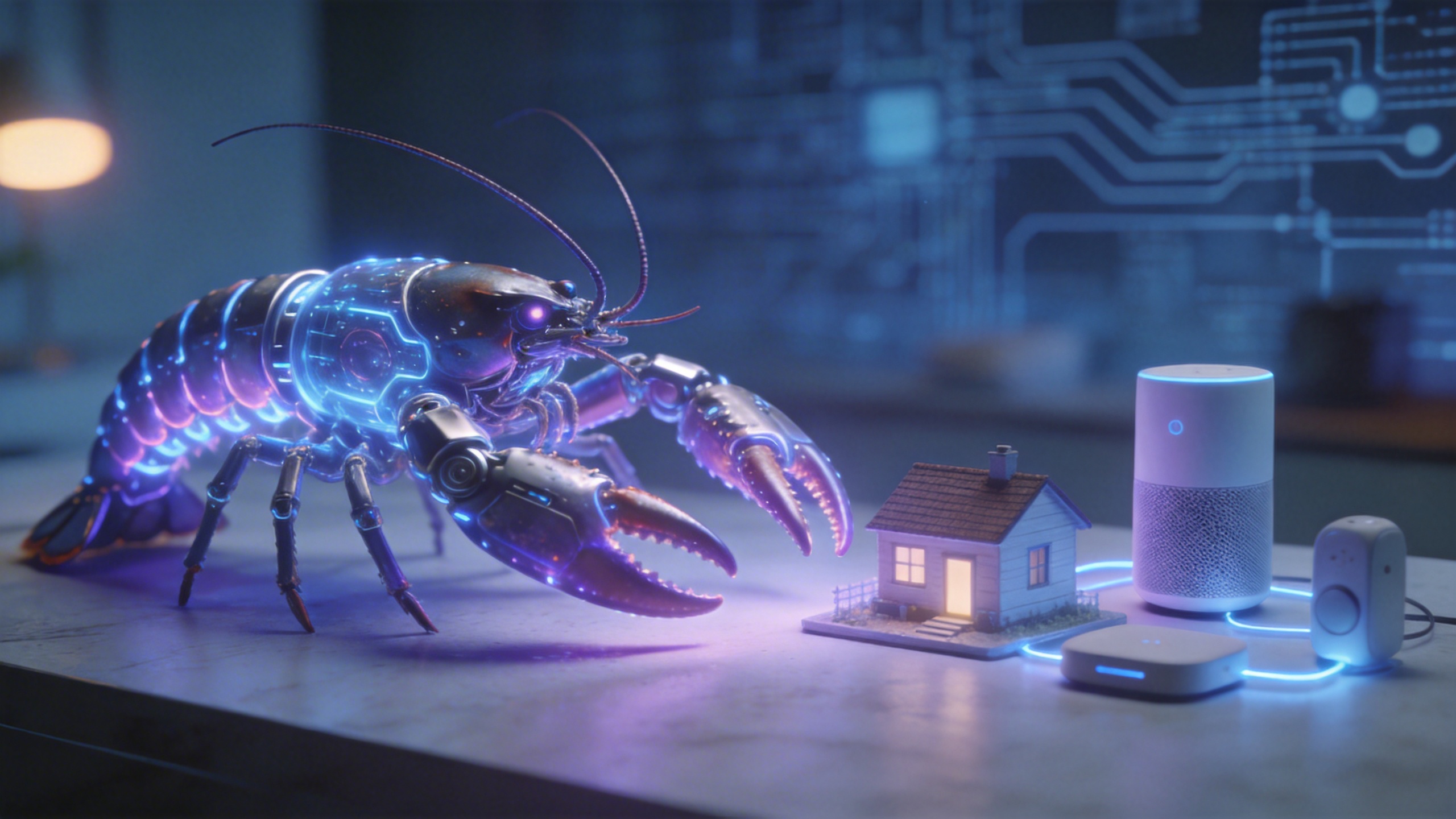
Xiaomi has introduced MiClaw, an artificial intelligence agent designed to operate on mobile phones, extending the capabilities of the OpenClaw system to a broader user base. This development allows AI agents to interact with the physical world through integrated devices, moving beyond the limitations of computer-bound applications.
Xiaomi smartphone displaying an AI agent interface, with smart home icons in the background.
MiClaw is positioned as China's first mobile-based "lobster-like" intelligent agent, incorporating features such as Skills, a Master Control Program (MCP), scheduled tasks, and customizable personalities. It offers natural language interaction and deep integration with Xiaomi's extensive ecosystem of over a billion devices. Early internal testing indicates MiClaw's ability to perceive and act within the real world via Mijia smart home devices.
Enhanced Smart Home Automation
MiClaw enables advanced automation scenarios within the smart home. For instance, users can configure a "Smart Morning Butler" to automate daily routines. This involves the AI agent broadcasting weather updates, tech news, and home temperature and humidity via a Xiaoai speaker. It can also adjust humidifiers or air conditioners based on environmental readings and play music tailored to the season. The system integrates with Mijia devices, allowing for actions such as automatically opening smart curtains or brewing coffee with a smart machine. The AI orchestrates these device interconnections based on simple natural language commands. Future integrations with Xiaomi watches could allow for personalized wake-up routines, while potential links with Xiaomi cars could automate garage door opening, vehicle preheating, and navigation planning upon departure.
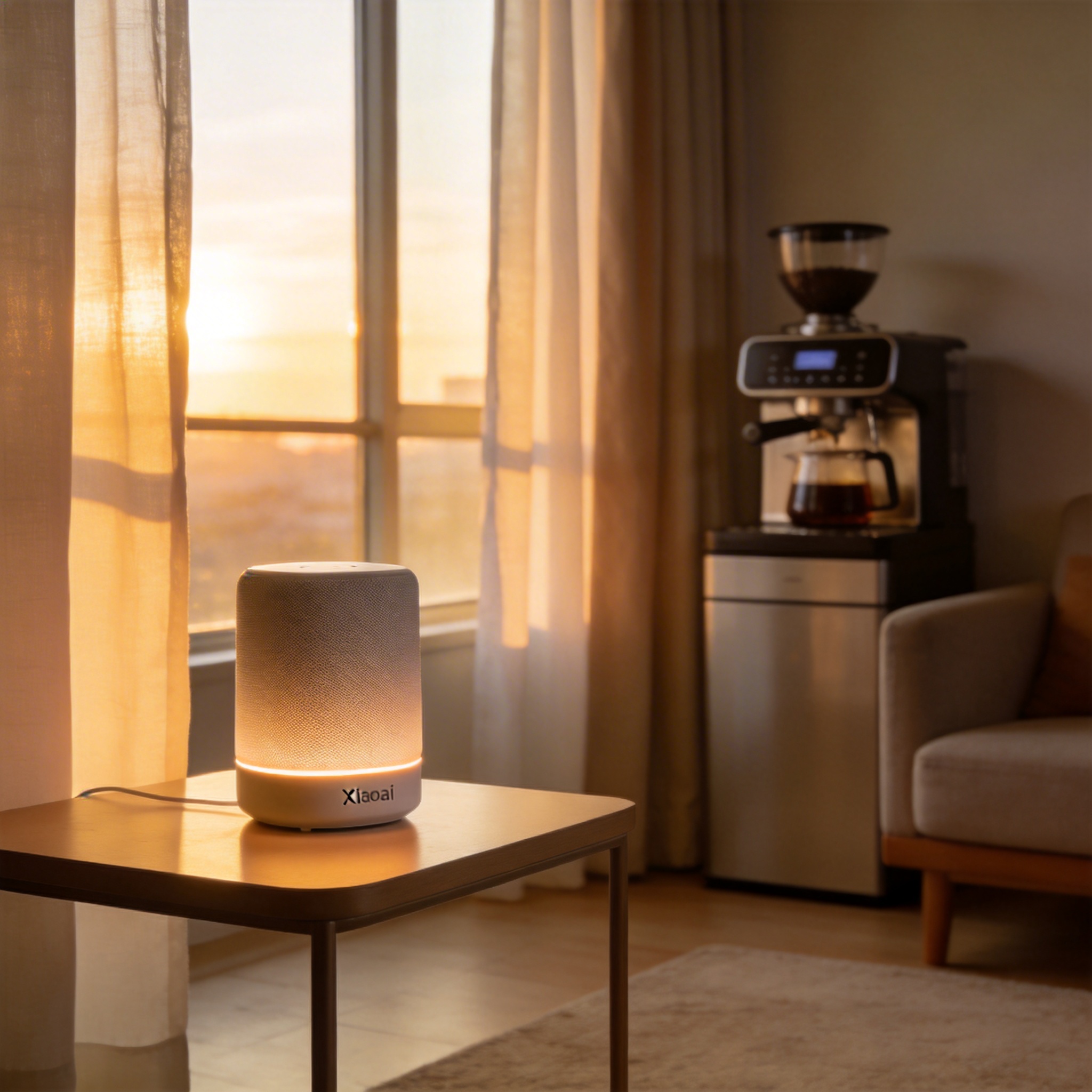
Automated smart home living room at dawn with Xiaoai speaker, open curtains, and coffee machine.
Intelligent Away Mode
The agent also facilitates a "Smart Away Mode," simplifying the process of securing a home when leaving. Users can instruct MiClaw to check and power off specific appliances, such as desk lamps, air conditioner sockets, and humidifiers. It can also activate security cameras to monitor designated areas. MiClaw can analyze which appliances should be turned off and which should remain active. The system supports the creation of custom "Skills" through natural language, allowing users to define trigger words for specific actions. For example, saying "Away" can initiate a sequence of actions like locking smart door locks, starting a robot vacuum cleaner, or scheduling a smart pet feeder. This functionality transforms smart home devices into "nerve endings" for the AI, enabling it to interact with the physical environment.
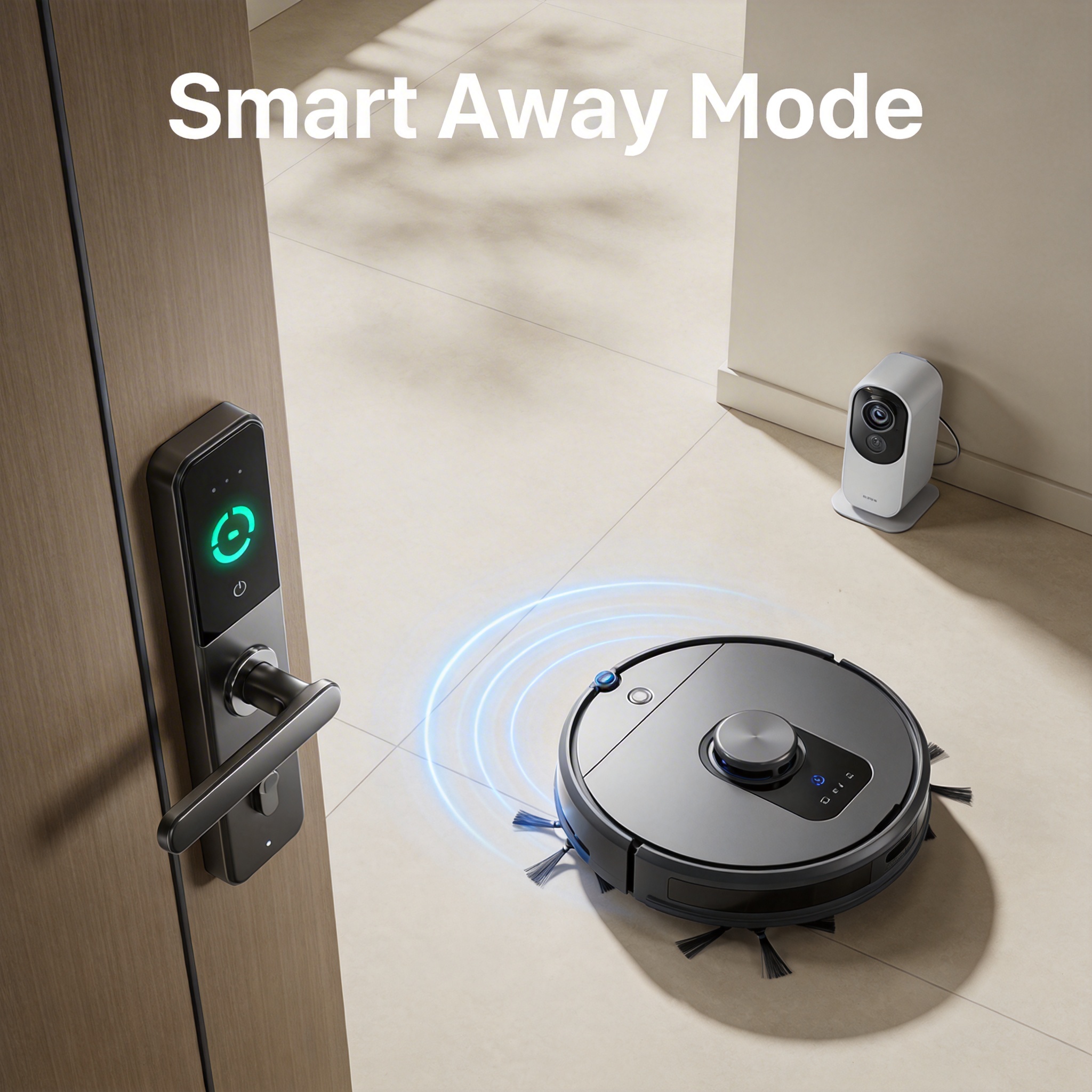
Smart home entryway with engaged smart lock, robot vacuum, and security camera, illustrating 'Away Mode'.
Meeting Assistant Capabilities
MiClaw extends its functionality to phone system applications, including notes and calendars, by serving as a "Smart Meeting Assistant." Users can initiate a recording skill with a voice command, and MiClaw will silently record the meeting. After the meeting, a "stop recording" command triggers the transcription of speech to text. The agent then processes the transcribed text, generates meeting minutes with an overview and detailed transcription, extracts to-do items, and adds them as calendar events. While currently requiring manual copying of transcribed text, future updates aim for full automation. This integration allows the phone to act as the AI's "eyes and hands," streamlining meeting management and freeing users to focus on core discussions.
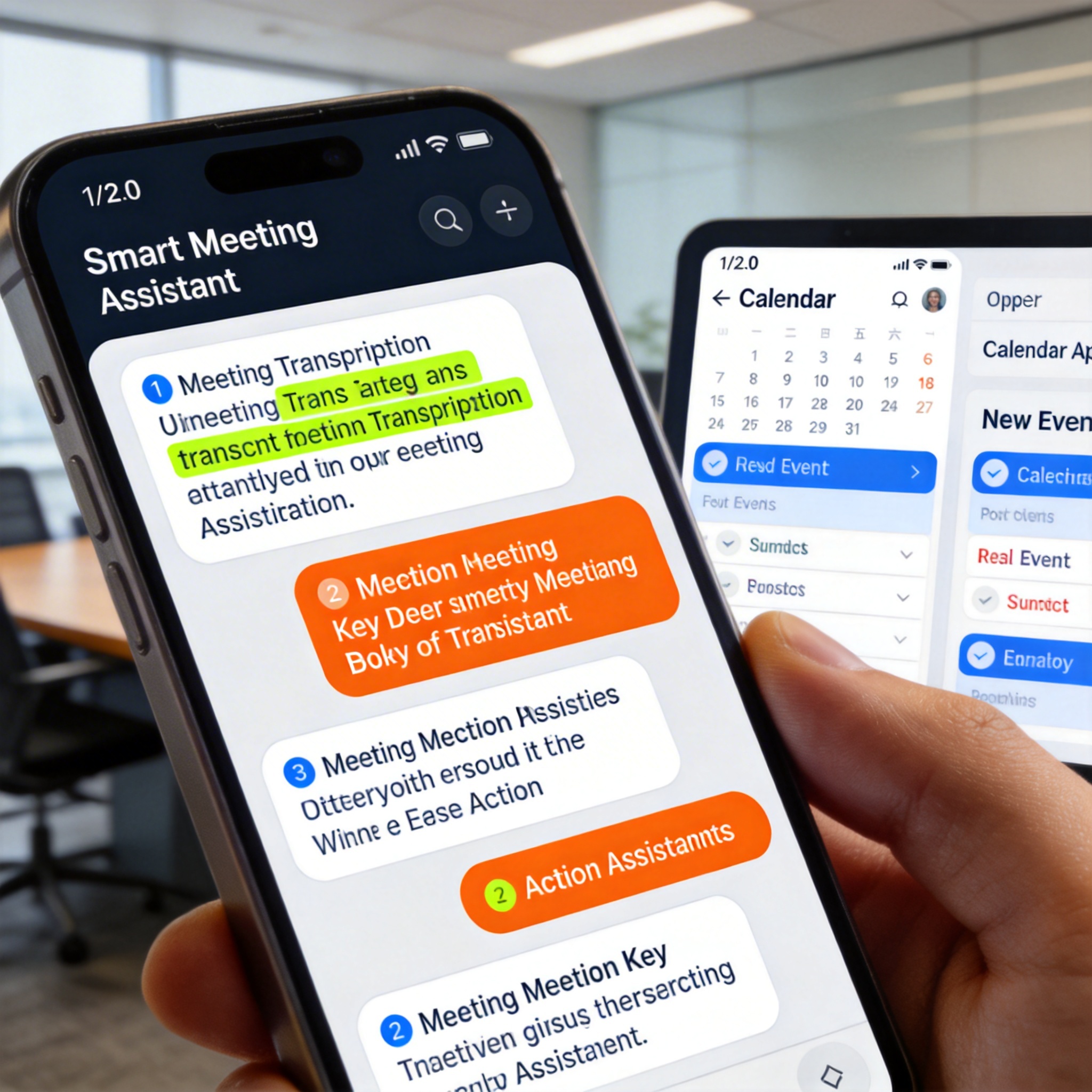
Smartphone screen showing meeting transcription, action items, and calendar events, demonstrating AI assistant.
Xiaomi's Strategic Shift
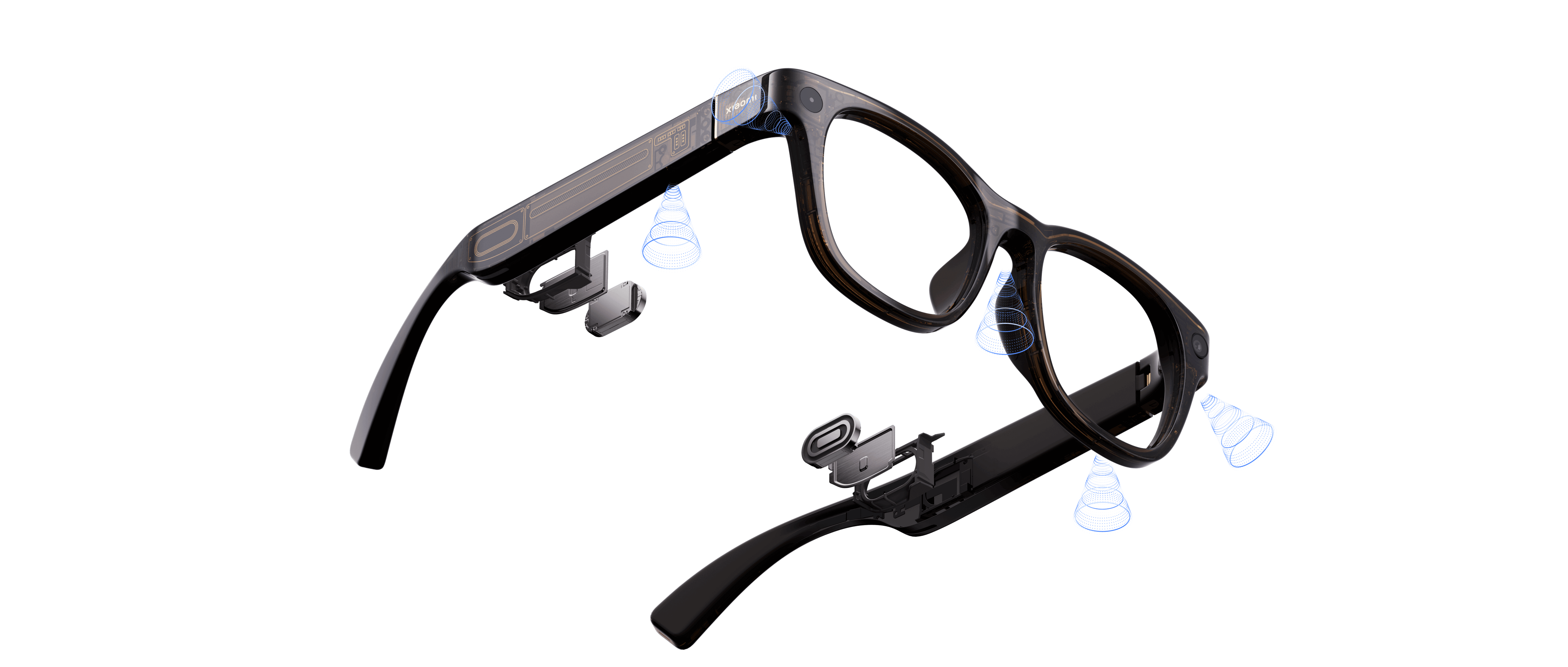
Xiaomi's development of MiClaw signifies a strategic shift from a hardware-centric company to an AI infrastructure provider. The company views its phones as AI's "eyes and hands," Mijia devices as its "nerve endings" for environmental perception and command execution, and future Xiaomi cars as carriers for physical world interaction. This approach transforms the value proposition of hardware from mere function and usability to data and AI utilization. By combining its independently developed MiMo model with hardware and systems, Xiaomi aims to establish a comprehensive technology stack, creating a competitive advantage in the AI era.
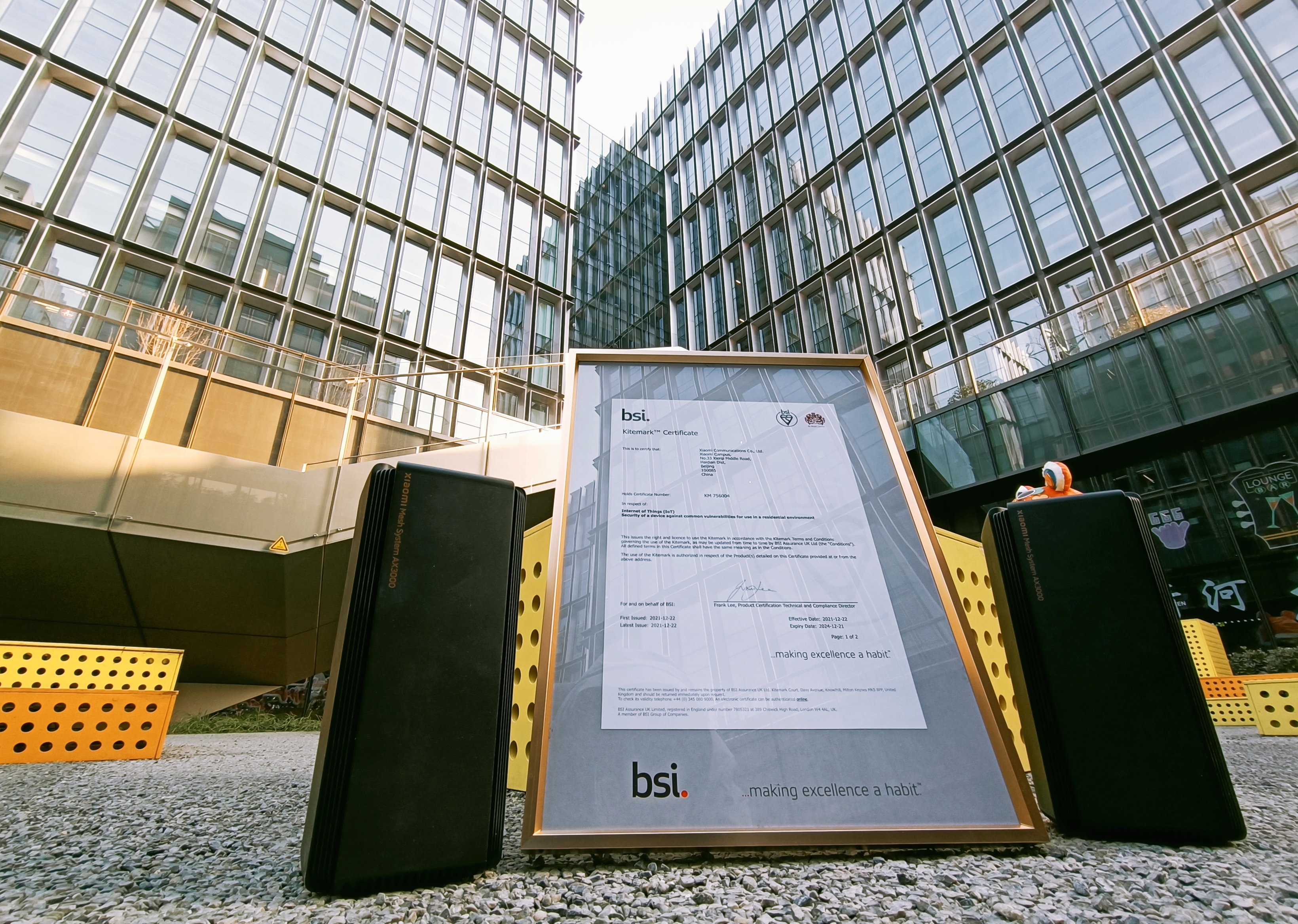
Exterior view of a modern, large Xiaomi corporate headquarters building.
MiClaw is currently in a small-scale closed internal testing phase, with some product instability and incomplete features noted by early testers. Xiaomi encourages feedback through its in-app reporting system to address bugs and improve functionality.
Stay Ahead of the AI Curve
Join 50,000+ subscribers getting the latest AI tools, trends, and tutorials delivered to their inbox weekly.
No spam, unsubscribe at any time.