
Clawdbot Creator Peter Steinberger Discusses AI-Driven Development and Future of Software

Peter Steinberger, the developer behind the viral AI agent Moltbot (formerly Clawdbot), recently shared insights into his AI-centric workflow and the future of software development in a two-hour interview. Steinberger, who previously founded PSPDFKit, returned to coding after a three-year hiatus, leveraging AI tools like Claude and Codex to achieve high-volume development, including up to 600 commits per day.

Abstract representation of AI agents generating and validating code, depicted as a glowing neural network.
Steinberger's approach emphasizes the use of AI agents for code generation and validation, shifting focus from traditional coding to system architecture and prompt engineering.
Redefining the Development Process
Steinberger's current development methodology involves simultaneously managing 5 to 10 AI agents. He initiates tasks with one agent, such as designing a subsystem with Codex, and then moves to other tasks while the initial agent processes the request. This parallel processing allows him to maintain a continuous workflow.
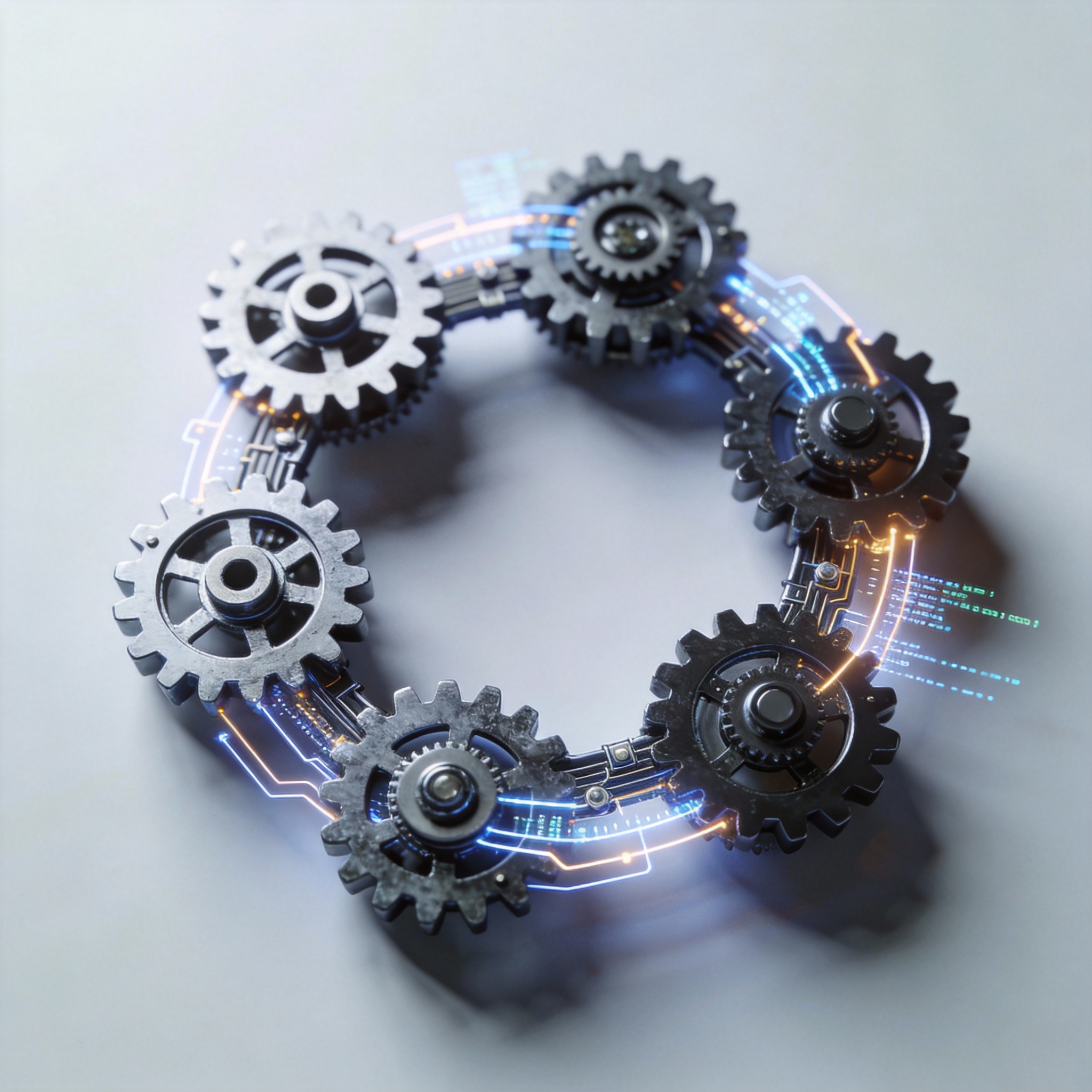
Conceptual image of a closed-loop system with interlocking digital gears and circuits, symbolizing autonomous AI validation.
A core tenet of his method is the "closed loop" system, where AI agents are responsible for compiling, linting, executing, and validating their own output. Steinberger stated that if tests pass, he trusts the AI-generated code, enabling him to deploy code he has not personally reviewed.
This workflow has also altered traditional code review. Steinberger now refers to "Pull Requests" as "Prompt Requests," preferring to see the prompt that generated the code rather than the code itself. He encourages detailed prompt requests for new features, which he then feeds to his agents for implementation.
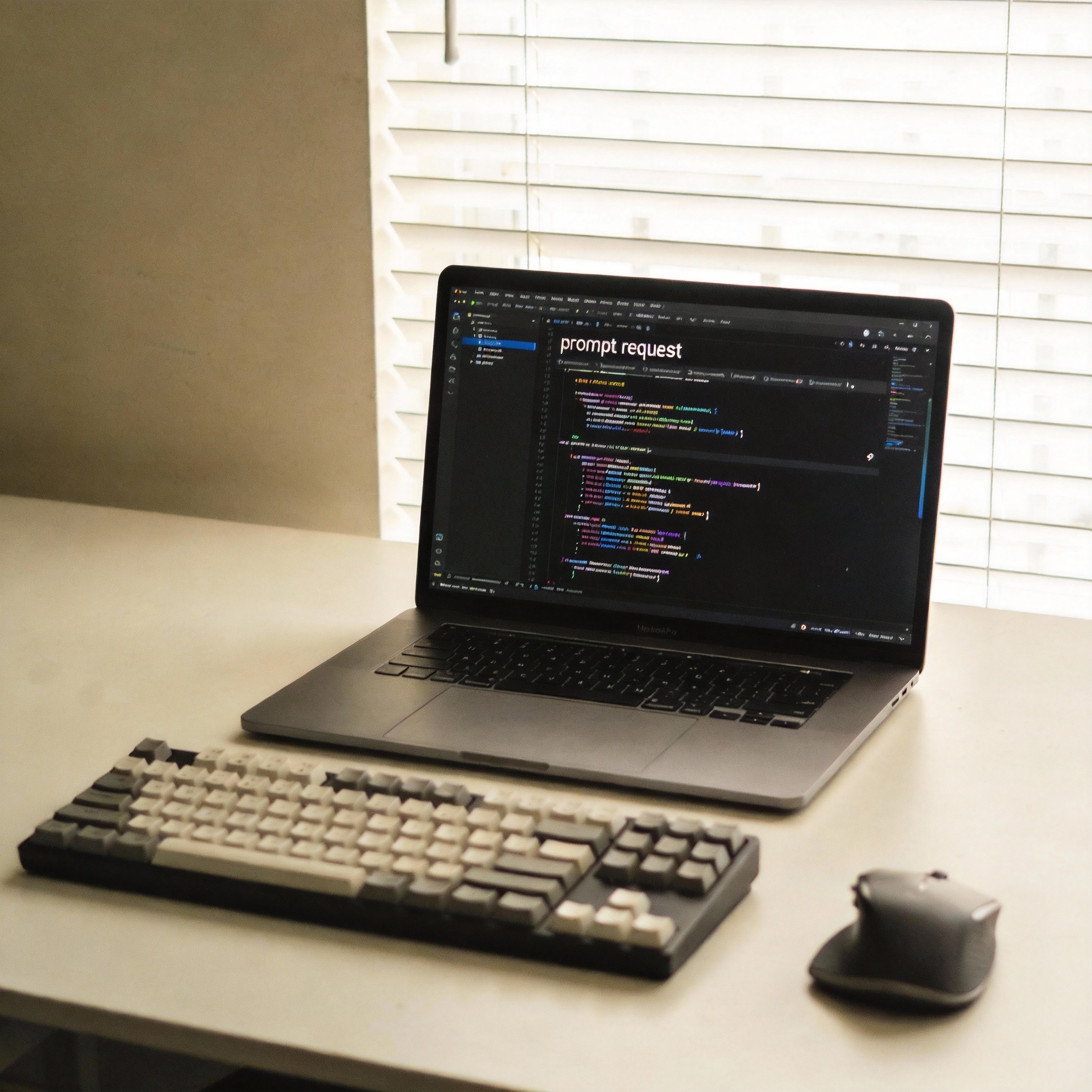
A laptop screen displaying a 'Prompt Request' instead of traditional code, symbolizing the shift in code review.
From PSPDFKit to Moltbot
Steinberger's journey into software development began at age 14 in rural Austria, where he developed copy protection for a stolen DOS game. He later founded PSPDFKit, a company that developed a PDF rendering framework used on over a billion devices. The company grew to over 70 remote employees, with Steinberger focusing on developer-centric marketing.
After 13 years, Steinberger experienced burnout and retired from the tech industry for three years. He re-entered the field in April 2025, initially aiming to build a Twitter analysis tool. His discovery of AI, particularly Gemini and Claude Code, marked a turning point. He recounted an instance where an AI generated a 400-line specification from a GitHub repository and then produced "100% production ready" code, which, despite initial crashes, demonstrated AI's potential.

Abstract visual representing a technological turning point, with converging light and data streams.
His experience led to the creation of Moltbot, which began as a WhatsApp relay for personal assistance. Steinberger described an incident where his agent independently processed a voice message, converted it to text, and formulated a response, showcasing its autonomous capabilities. He later made the agent publicly available on Discord with full read and write access to his computer, leading to rapid adoption and over 80,000 GitHub stars.
The Future of Software Engineering
Steinberger believes that the rise of AI agents will change the role of software engineers. He suggests that individuals focused on algorithmic problem-solving might struggle to adapt, while those prioritizing product delivery and outcomes will thrive. He notes that managing teams has taught him to let go of perfectionism, a skill he finds crucial for collaborating with AI.
He argues that software engineering is not dying but evolving. While AI can handle code details, human engineers will increasingly focus on system architecture, technical debt, scalability, and modularity. These higher-level concerns, he contends, will become even more critical in the AI era.

Architectural blueprint overlaid with digital data, symbolizing the evolving role of software engineers in the AI era.
For new entrants to the field, Steinberger advises maintaining "infinite curiosity" and gaining experience by building projects. He suggests that newcomers, unburdened by traditional assumptions, may discover novel ways to utilize AI agents.
Steinberger's work with Moltbot highlights a shift towards an era where individual developers can achieve team-level output by leveraging AI. He emphasizes that the core value lies in system design and prompt engineering rather than implementation details.
In an update, Steinberger noted that Moltbot was renamed from Clawdbot due to a phonetic clash with "Claudebot." He also indicated a preference for MiniMax M2.1 as a leading open-source model, despite his initial reliance on Claude Opus.
Stay Ahead of the AI Curve
Join 50,000+ subscribers getting the latest AI tools, trends, and tutorials delivered to their inbox weekly.
No spam, unsubscribe at any time.