
OpenClaw "Shrimp Farming" Craze Sees Rapid Rise and Fall, Prompting Uninstall Services

The "shrimp farming" phenomenon, initially a niche interest within the AI community, has rapidly escalated into a widespread trend, attracting significant public attention. This surge in popularity has extended beyond tech enthusiasts, drawing in a diverse audience, with nearly a thousand individuals reportedly queuing outside Tencent's headquarters to install the "shrimp" software.

Exterior view of Tencent's modern headquarters building, a prominent tech landmark.
Initially, services for on-site installation of the software, priced at 499 yuan, gained traction. However, within days, the focus shifted dramatically to "on-site shrimp uninstall services," with prices ranging from 39 yuan to 299 yuan. This swift reversal has led to online commentary, with some netizens quipping about the cost of tokens versus purchasing actual shrimp, and others humorously suggesting a "service to persuade people not to install shrimp for only 199 yuan."
Official Stance and Industry Response
At an official level, various regions have introduced policies supporting "shrimp farming," with subsidies reaching up to 10 million yuan. Concurrently, the Ministry of Industry and Information Technology and the National Computer Network Emergency Response Technical Team/Coordination Center of China (CNCERT/CC) have issued warnings regarding potential security risks. Major internet companies have also entered the fray, with actions related to "shrimp" reportedly influencing stock market fluctuations. Beyond large corporations, individual AI industry participants have contributed numerous case studies of "shrimp playing." Li Dan, a prominent figure, claimed to spend 10 hours daily "farming shrimp" after the Spring Festival.

Abstract digital network with glowing lines, symbolizing stock market fluctuations influenced by AI.
Social media platforms are abuzz with "shrimp"-related topics, such as "Fu Sheng uses shrimp to boost AI team efficiency a hundredfold," "OpenClaw proxy installation earns millions annually," and "AI employees work for me 24 hours a day." Data from NewRank indicates that hashtags like #openclaw and #openclawdeployment on Douyin and Xiaohongshu have collectively surpassed 500 million views, with popularity continuing to climb.
The Rise of OpenClaw and its Ecosystem
OpenClaw, the open-source AI Agent project central to "shrimp farming," has previously garnered attention under different names for its Agent gameplay. The core concept involves continuously feeding "token feed" to an AI model, allowing it to perform tasks. The more context and tokens provided, the greater the productive value the AI can generate. Unlike traditional conversational AI, OpenClaw functions as a personal, continuously running AI intelligent agent that operates locally, processes tasks, and retains user preferences and historical conversations. This local deployment, with high system permissions and prolonged online operation, is crucial for maximizing its capabilities.

Hand feeding glowing digital tokens into an abstract AI core, illustrating the 'token feed' concept.
The initial high barrier to local OpenClaw deployment created an economic opportunity for proxy installers, with on-site installation fees reaching hundreds or even thousands of yuan. Some individuals reportedly earned 260,000 yuan within days. Tech bloggers, including Fu Sheng, contributed to the phenomenon by sharing tutorials. NewRank's social media monitoring tool, "Shengliangtong," reported a continuous increase in "shrimp farming" popularity on platforms like WeChat, Xiaohongshu, Bilibili, Douyin, and Kuaishou, with 14,900 related works and over 3.9 million interactions.
This surge in interest has led to the emergence of new businesses and tools. Individual developers quickly launched web tutorials and one-click deployment tools, such as OneClaw, developed by a former ByteDance engineer. Numerous "Claw" series tools, including KimiClaw, MaxClaw, EasyClaw, QClaw, and AutoClaw, have appeared to simplify OpenClaw installation. Major companies like Tencent, Alibaba, Kimi, and Zhipu have also entered the market, aiming to capitalize on the trend.
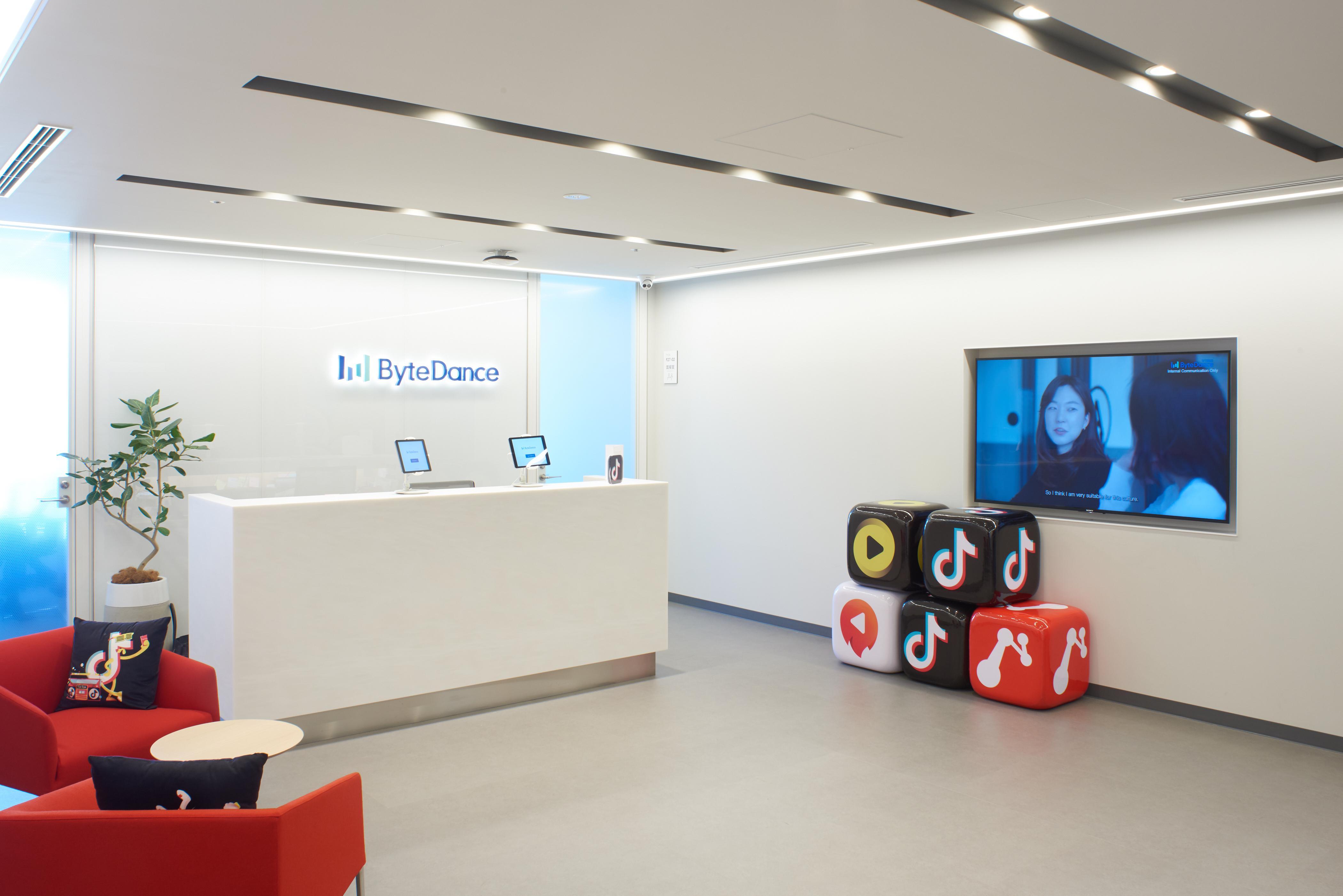
Modern, minimalist office interior, representing a tech company's workspace.
Monetization Strategies and User Challenges
Large model manufacturers, such as Kimi, have leveraged OpenClaw's popularity. Kimi's K2.5 model, known for its adaptability and cost-effectiveness, became the first free main model listed by OpenClaw after version 1.30 and topped OpenRouter platform's OpenClaw model call list. Beyond API monetization, companies like Tencent, Alibaba, ByteDance, and Baidu offer OpenClaw one-click cloud deployment services. Cloud deployment lowers the installation barrier and allows for more controlled security risks, enabling cloud vendors to generate revenue through infrastructure and ecosystem charges, as well as by promoting their own model APIs.
Despite the hype, concerns have emerged regarding the practical value and cost of "shrimp farming" for ordinary users. The self-media personality "Banfo Xianren" suggested that focusing on selling courses might be more productive than researching "shrimp." Many users, driven by AI anxiety, have found that the initial investment in installing OpenClaw is just the beginning. Posts on Xiaohongshu detail instances of users "running out of money after only a few chats" and highlight the issue of "token overdrafts." Some netizens have humorously suggested that hiring a graduate student might be more cost-effective than managing an AI.

Digital credit card surrounded by swirling data, symbolizing security risks and data breaches.
Security Risks and Future Outlook
OpenClaw also presents several security risks. Reports include stolen credit cards and API Keys, as well as instances of out-of-control AI deleting emails. Improperly configured "naked shrimp" are vulnerable to hacker intrusion, potentially exposing sensitive information. The Ministry of Industry and Information Technology has issued warnings regarding these security concerns. The financial and privacy risks have led many users to realize that "shrimp farming" can be a costly endeavor, prompting the demand for uninstall services and tutorials.
The intensive entry of tech companies like Tencent, Alibaba, ByteDance, and Xiaomi into the market suggests that using OpenClaw will become simpler, potentially leading to a future where AI agents are widely adopted. OpenClaw shares similarities with last year's viral Manus, both being AI Agent products that offered an intuitive experience of "letting AI work for you." However, OpenClaw's open-source nature provides it with stronger ecological vitality compared to Manus's closed-source model. The attention from legislative bodies, corporate involvement, and supportive policies in various regions, including Shenzhen, Foshan, Wuxi, and Changshu, indicate a growing ecosystem around OpenClaw. The year 2026 is anticipated as a potential turning point for AI agents to become integrated into daily life.

Smartphone displaying the WeChat application interface, highlighting its widespread use.
For those considering "shrimp farming," current deployment methods include local deployment, cloud deployment, and packaged products like one-click installation packages, with decreasing difficulty in that order. Packaged products are recommended for novice users. Tencent's QClaw, for example, is a packaged OpenClaw product supporting one-click installation on Windows/Mac and remote AI control via WeChat. The advantage of products from major companies lies in their more controllable risks. If QClaw, with its WeChat integration, gains widespread adoption, it could significantly accelerate the integration of AI agents into the lives of WeChat's over 1.3 billion monthly active users.
OpenClaw's initial appeal stemmed from its ability to bridge desktop and mobile communication, allowing users to command AI from their phones. However, the underlying large model capability is crucial for the "shrimp farming" experience. Different deployment methods can access various models, influencing the AI Agent's understanding, execution, and feedback. Users are advised to align model choices with their specific scenarios, task difficulty, and model pricing. For instance, Claude is recommended for complex tasks, while K2.5 is suggested for simpler, more cost-effective operations. For those willing to invest time in learning, local deployment on a dedicated computer is recommended to gain a deeper understanding of Agent functionality.
Stay Ahead of the AI Curve
Join 50,000+ subscribers getting the latest AI tools, trends, and tutorials delivered to their inbox weekly.
No spam, unsubscribe at any time.