
Former OpenAI CTO's Startup Faces Team Collapse as Key Members Return to OpenAI


In January 2026, Thinking Machines Lab (TML), a startup founded by former OpenAI CTO Mira Murati, experienced a significant setback when three core members, including co-founder Barret Zoph, departed to rejoin OpenAI. This move followed Zoph's demotion at TML due to an office romance scandal and a subsequent power struggle within the company.

Portrait of Mira Murati, former OpenAI CTO and founder of Thinking Machines Lab.
The incident unfolded less than a year after Murati left OpenAI to establish TML. Zoph, a former OpenAI researcher, was a key figure in TML's founding.
Internal Strife and Defection
The events began in early January 2026 at TML's San Francisco headquarters. Mira Murati anticipated a routine meeting with Zoph but instead encountered Zoph, Luke Metz, and Sam Schoenholz, who presented demands for technical decision-making authority and direct reporting lines to Zoph. Murati reportedly questioned Zoph's performance over the preceding six months and whether the group had secured new employment.
The situation escalated when Zoph was observed meeting with Meta executives Alexandr Wang and Nat Friedman at a pizza restaurant, an event described as Zoph "auctioning" himself to the highest bidder between OpenAI and Meta.

Hands subtly interacting over a smartphone in a restaurant, symbolizing a discreet corporate negotiation.
On Wednesday of that week, Murati terminated Zoph's employment, citing "lack of trust, poor performance, and unethical behavior." Within an hour, Fidji Simo, CEO of OpenAI's application business, announced Zoph's return to OpenAI as head of its enterprise business. Subsequently, Metz and Schoenholz also rejoined OpenAI, reporting directly to Zoph. This left TML's founding team reduced to three individuals.
Origins of the Conflict
The catalyst for this internal rupture was an office romance involving Zoph, which came to light six months prior. Murati discovered Zoph was in a long-term relationship with a junior employee who had also previously worked at OpenAI. This employee had resigned and returned to OpenAI before the affair became public.
When confronted, Zoph initially denied the relationship but later claimed he had been "manipulated" into it. Murati chose not to publicize the scandal, but Zoph was stripped of his management authority and demoted to an individual contributor role while retaining his co-founder title. Following this, Zoph reportedly became less engaged at TML, frequently taking leave. Sources indicate that Zoph had been in contact with OpenAI CEO Sam Altman as early as October, around the time another TML co-founder, Andrew Tulloch, moved to Meta.
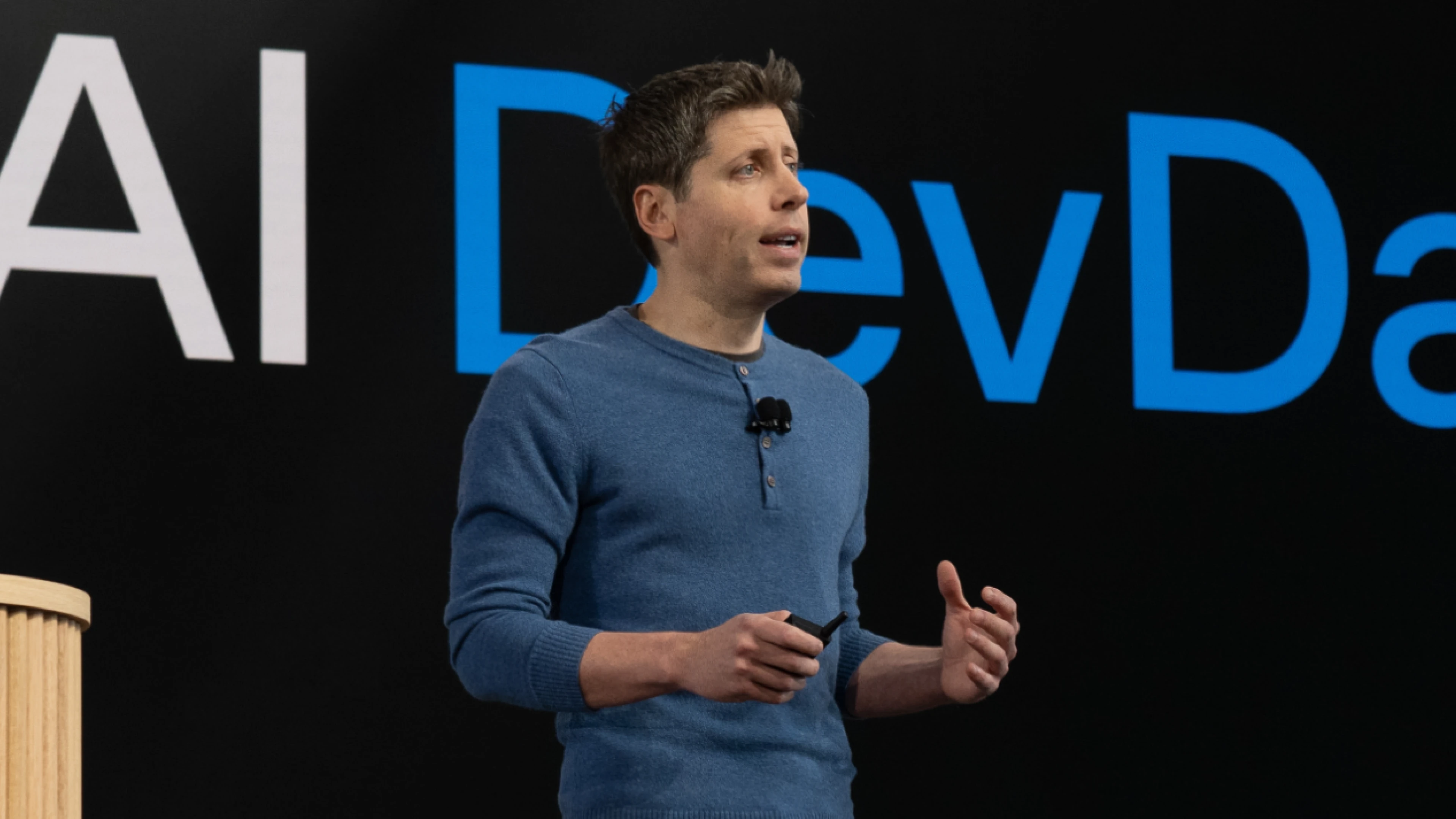
Portrait of Sam Altman, CEO of OpenAI, in a professional setting.
OpenAI's Strategic Recruitment
OpenAI's re-hiring of Zoph and the other TML members is viewed by some as part of a broader strategy to strengthen its position in the competitive AI market. In 2026, OpenAI is reportedly undergoing a transformation to a "general manager" responsibility system, with specific individuals overseeing key business areas. Barret Zoph is now responsible for the enterprise business, Vijaye Raji for advertising, Nick Turley for ChatGPT, and Thibault Sottiaux for Codex.
OpenAI is reportedly offering annual compensation packages of $5 million to $10 million for top researchers and has eliminated the 6-month vesting period for new employees to attract talent.

Abstract glowing lines connecting minimalist corporate buildings, symbolizing talent movement in Silicon Valley.
Silicon Valley's Talent Dynamics
The movement of talent between companies in Silicon Valley is influenced by several factors. California law prohibits non-compete agreements, allowing employees to move freely between employers, even competitors. The scarcity of top AI talent, particularly in areas like post-training and Agentic AI, means that companies are willing to overlook past grievances to secure skilled individuals.
The departure of key personnel has raised questions about TML's $12 billion valuation. Some observers suggest that investors may have played a role in facilitating the acquisition-like poaching of talent. Josh Kushner, founder of Thrive Capital, reportedly noted in an internal OpenAI speech that even billionaire investors are now actively involved in retaining talent.
Stay Ahead of the AI Curve
Join 50,000+ subscribers getting the latest AI tools, trends, and tutorials delivered to their inbox weekly.
No spam, unsubscribe at any time.