
Open-Source Openwork Prompts Anthropic to Lower Cowork Subscription Price


Anthropic has reduced the subscription tier for its AI agent feature, Cowork, making it accessible to users paying $20 per month, down from the previous $100 tier. This adjustment follows the rapid emergence of Openwork, an open-source alternative developed in just two days, which offers similar functionalities for free.
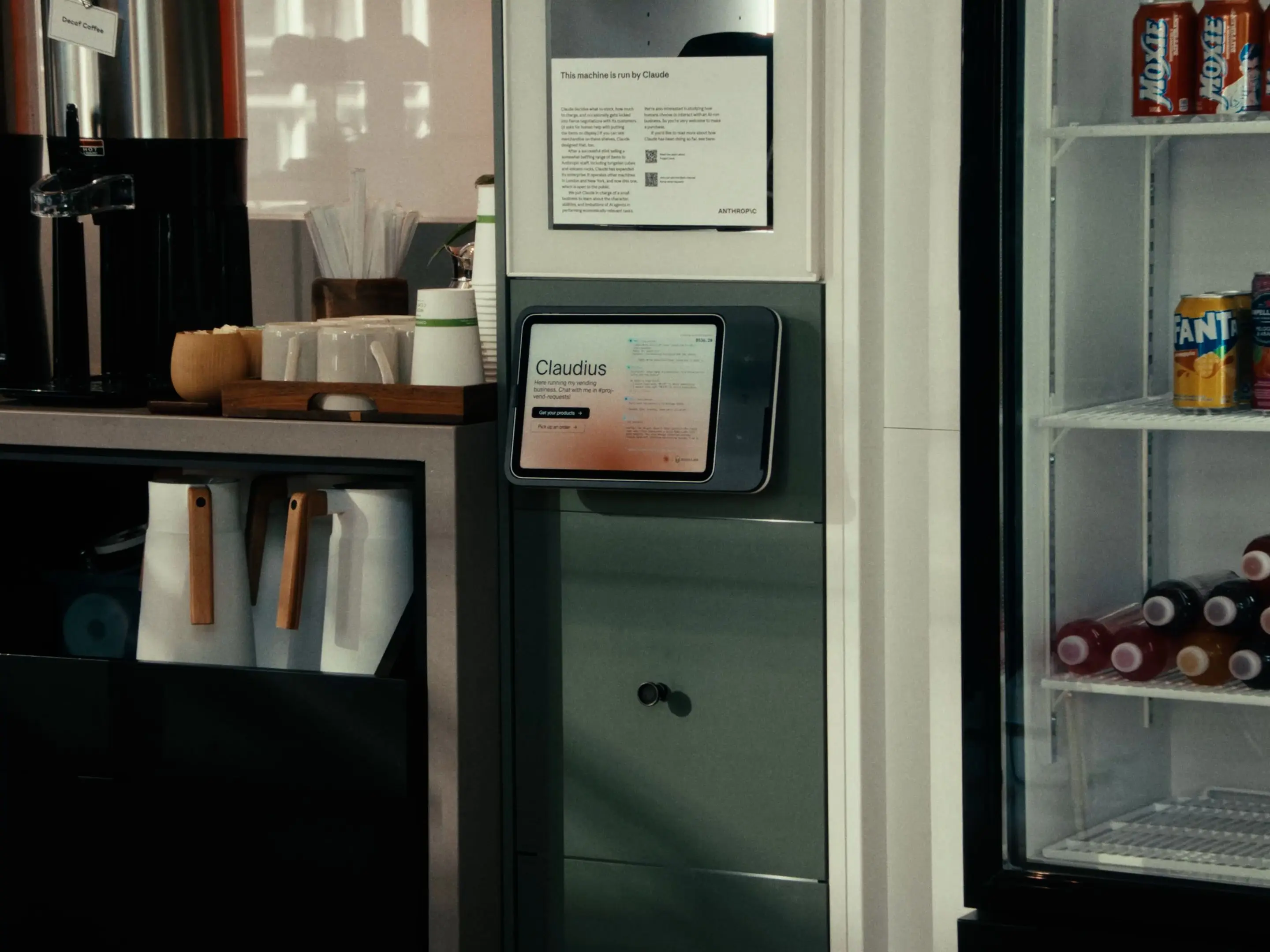
Exterior view of Anthropic's modern corporate headquarters building.
The move by Anthropic, a company valued at $18.3 billion, highlights increasing competitive pressure in the AI agent market, where open-source projects can quickly challenge established commercial offerings.
Openwork's Rapid Development and Features
Openwork was created by developers Karan Vaidya and Or Hiltch during a 48-hour hackathon. Vaidya initiated the project after finding Anthropic's $100 monthly fee for Cowork prohibitive.
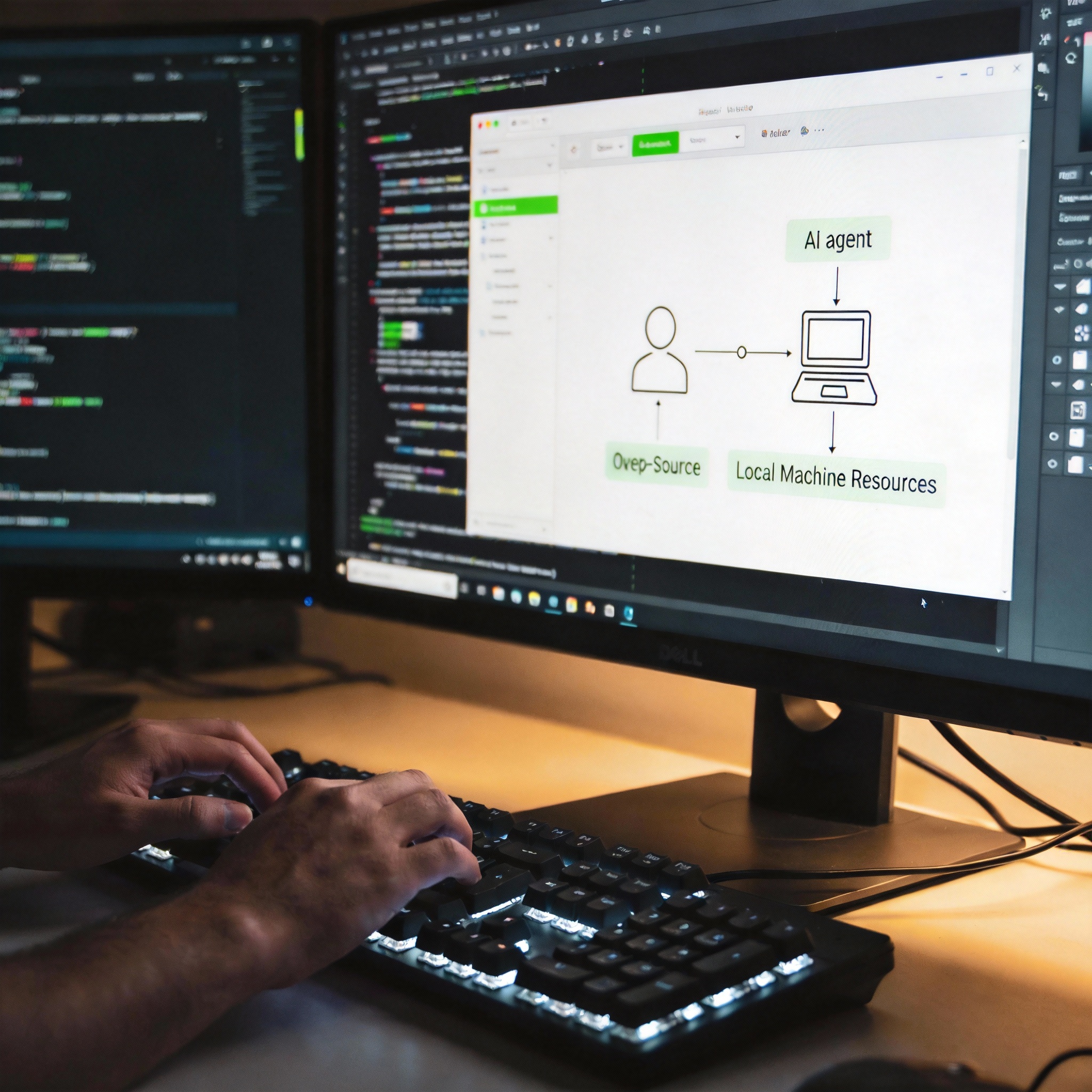
Developer's hands typing code on a keyboard, with multiple monitors displaying AI agent software.
Openwork operates as a desktop agent on a user's local machine, allowing users to integrate their own API keys from providers like OpenAI, Anthropic, or Google. It also supports local models via Ollama for users with high-performance graphics cards, enabling zero-cost operation.
According to its developers, Openwork offers several advantages over commercial alternatives:
Speed: Utilizing a dev-browser developed by Sawyer Hood, Openwork is reportedly four times faster than Claude for Chrome in executing tasks.
Privacy: Its local execution model allows users to control folder access and reduces the risk of data leakage from prompt injection, as it does not rely on the main browser instance.
Cost-Effectiveness: By cutting out bundled computing power and services, Openwork provides an open-source graphical interface that interacts directly with underlying AI models.

Visual representation of speed, privacy, and cost-effectiveness in software, with digital icons.
Anthropic's Strategic Response
Cowork was initially developed by Anthropic as a generalized version of Claude Code, designed for non-technical users to automate desktop tasks such as organizing files, web scraping, and report generation. This capability, which allows the AI to "act" rather than just "converse," was a key differentiator for Anthropic's premium Max subscription.
Anthropic's decision to lower Cowork's price point to the $20 Pro tier is seen as a defensive measure. The company aims to retain its user base and maintain its position as a primary entry point for AI desktop agents. While the $100 Max tier previously covered the "salary" of this "digital employee," the availability of a free, open-source option like Openwork challenged this pricing model.
The $20 price point is intended to attract non-technical users who might find the process of downloading and configuring open-source software cumbersome. This strategy balances the convenience of an "out-of-the-box" official service against the freedom and cost savings of open-source alternatives.

Conceptual image showing a balanced scale between commercial software blocks and open-source components.
Implications for the AI Agent Market
The emergence of Openwork and Anthropic's subsequent pricing adjustment underscore a broader trend in the AI agent landscape: the increasing equalization of technology. With open APIs for underlying AI models, the application layer's competitive moat is becoming shallower. Open-source projects can rapidly replicate and even surpass the functionalities of expensive closed-source applications.
This dynamic suggests that AI agents are transitioning from high-tech exhibits to more accessible, everyday tools, benefiting users with more choices and competitive pricing.
Stay Ahead of the AI Curve
Join 50,000+ subscribers getting the latest AI tools, trends, and tutorials delivered to their inbox weekly.
No spam, unsubscribe at any time.