
Meta Cuts 1,500 Metaverse Jobs, Shifts Focus to AI Infrastructure with $600 Billion Investment

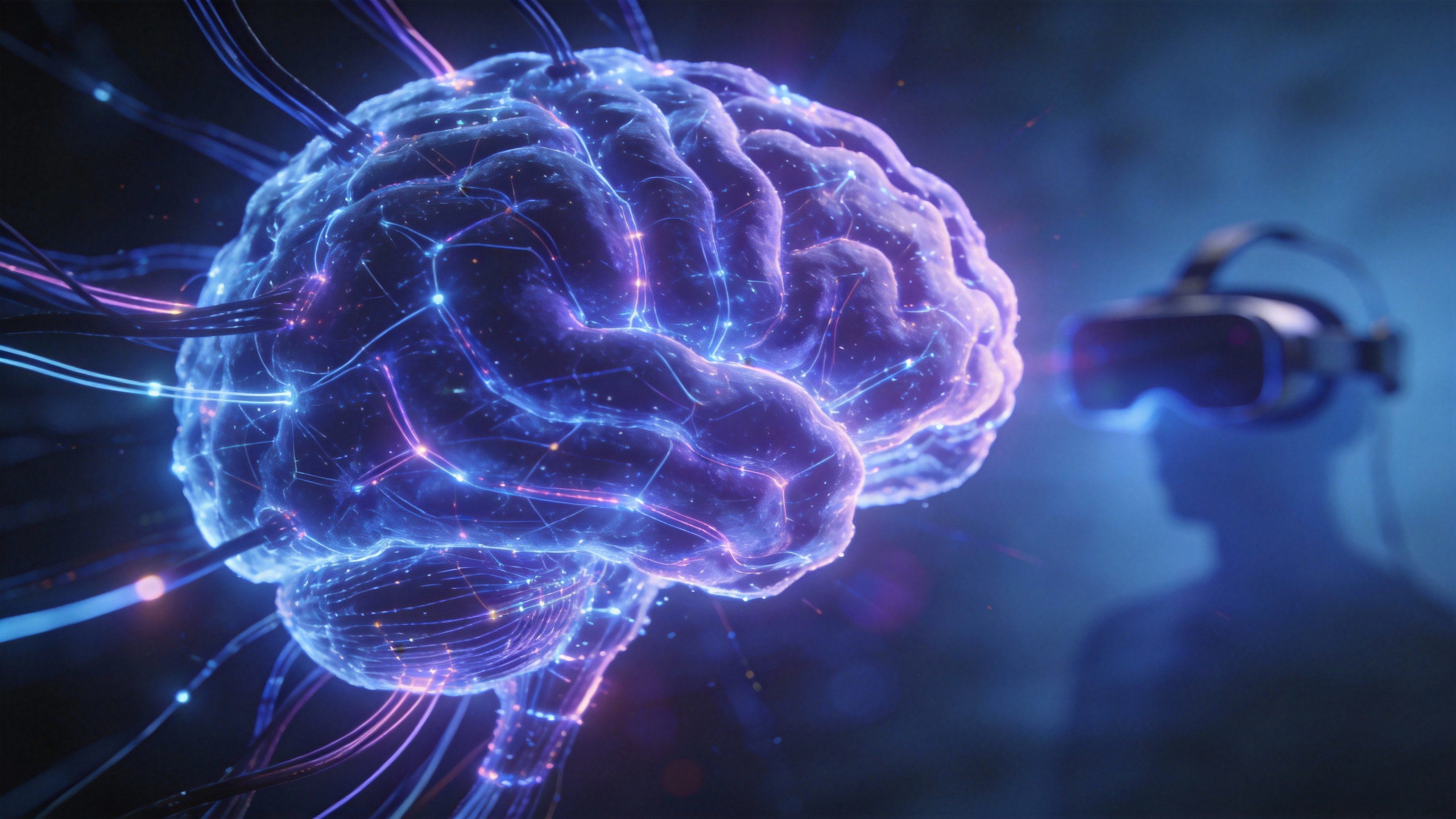
Meta Platforms is reportedly planning to eliminate an additional 1,500 jobs within its Reality Labs division, coinciding with an announcement by CEO Mark Zuckerberg regarding a substantial investment in artificial intelligence infrastructure. The company aims to deploy tens of gigawatts of computing power within a decade, potentially reaching hundreds of gigawatts in the long term, with plans to invest $600 billion in infrastructure by 2028.
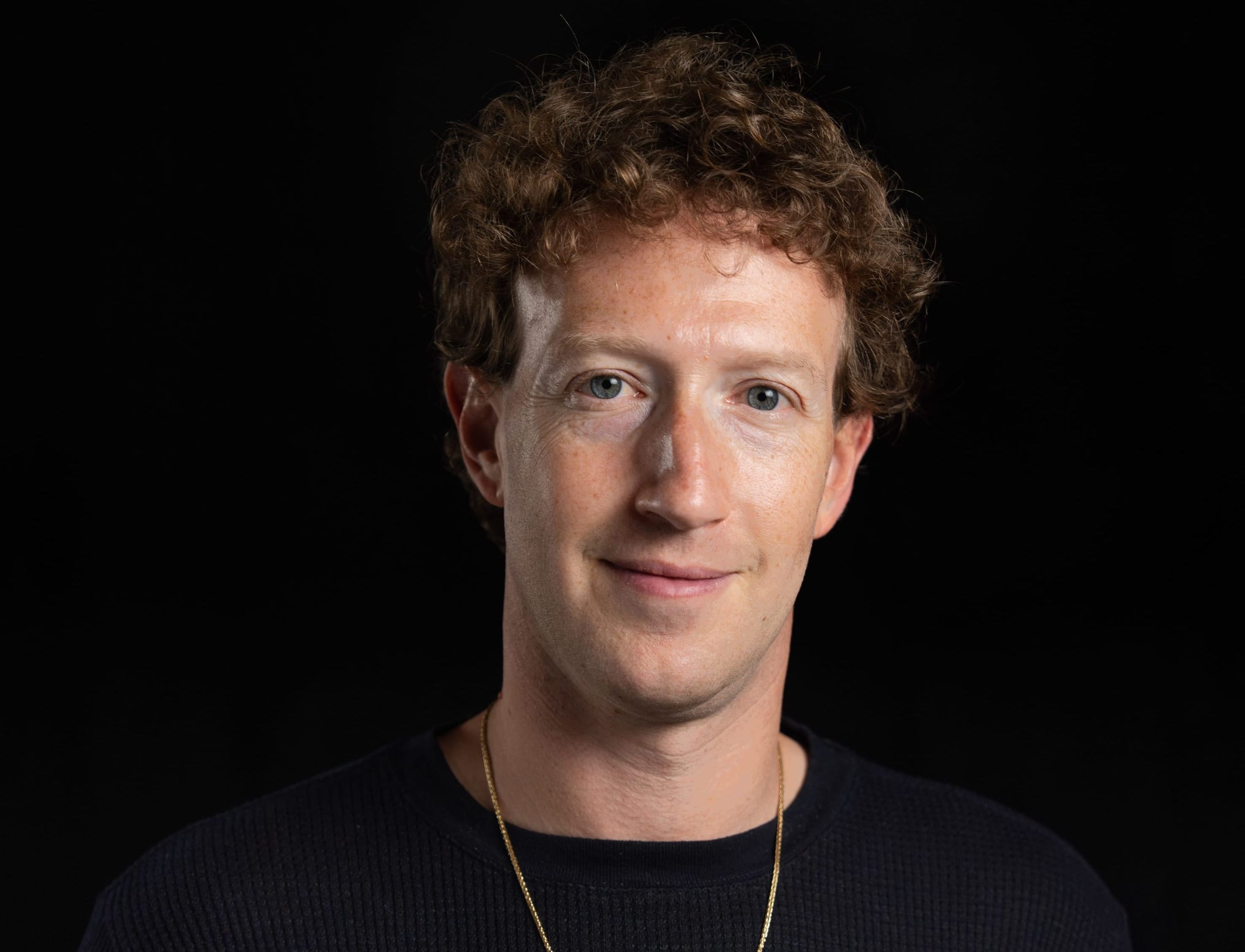
Mark Zuckerberg, CEO of Meta Platforms, in a professional setting.
The job cuts, representing approximately 10% of Reality Labs' workforce, are expected to be officially announced this week, according to reports. Andrew Bosworth, Meta's Chief Technology Officer and head of Reality Labs, has scheduled an in-person meeting with employees for Wednesday. This move follows earlier directives from Zuckerberg in late 2023 for executives to identify budget reduction opportunities within Reality Labs and scale back investments in certain virtual reality (VR) and metaverse products. Discussions in December reportedly included a potential 30% budget reduction for the metaverse team. Reality Labs currently employs about 15,000 people, with VR headset, virtual social network, and metaverse platform positions identified as high-risk areas for layoffs.
Metaverse Investments and Performance
Since 2020, Reality Labs has consistently reported significant financial losses, accumulating over $60 billion in investments in the metaverse without generating substantial, stable revenue. Despite Zuckerberg's strategic pivot to the metaverse, including the company's rebranding to Meta and extensive research and development spending, user adoption has remained limited, and a viable business model has yet to materialize.

Sleek AI-enabled smart glasses, reflecting urban environment, symbolizing Meta's successful hardware.
Emergence of AI Glasses
Amidst the challenges faced by its metaverse initiatives, Meta's smart glasses, developed in partnership with Ray-Ban and EssilorLuxottica, have shown unexpected success. This contrasts with the market performance of similar products from other technology companies. The positive reception of AI-enabled wearables has prompted Meta to re-evaluate its strategic direction, shifting investment from virtual worlds towards more accessible and commercially viable AI hardware. This strategic adjustment comes as Meta faces increasing competition in the AI sector from companies like OpenAI, Google, and Anthropic.
Performance Review System Overhaul
Meta is also implementing a new performance evaluation system called Checkpoint, set to launch in mid-2026. This system aims to streamline bureaucratic processes and place a greater emphasis on results and impact. The new framework will categorize employee performance into four tiers, with a significant portion of employees expected to be rated as "Excellent." A new "Meta Award" will offer a bonus coefficient of up to 300% for a select group of employees who demonstrate exceptional impact.
Under the Checkpoint system, performance reviews and bonus payouts will occur twice annually. Stock awards (RSUs) will be granted once a year based on the average of the two performance reviews, with salary adjustments also taking place annually. These changes are intended to reduce the time spent on performance-related tasks, which previously amounted to 80 hours per year for managers and 330,000 collective hours for employees writing peer reviews.
The company has also intensified its performance management, with a policy to lay off 5% of low-performing employees. Large team managers are reportedly required to rate 15% to 20% of their employees as low performers. This indicates a corporate strategy to reward top performance significantly while accelerating the removal of underperforming employees.
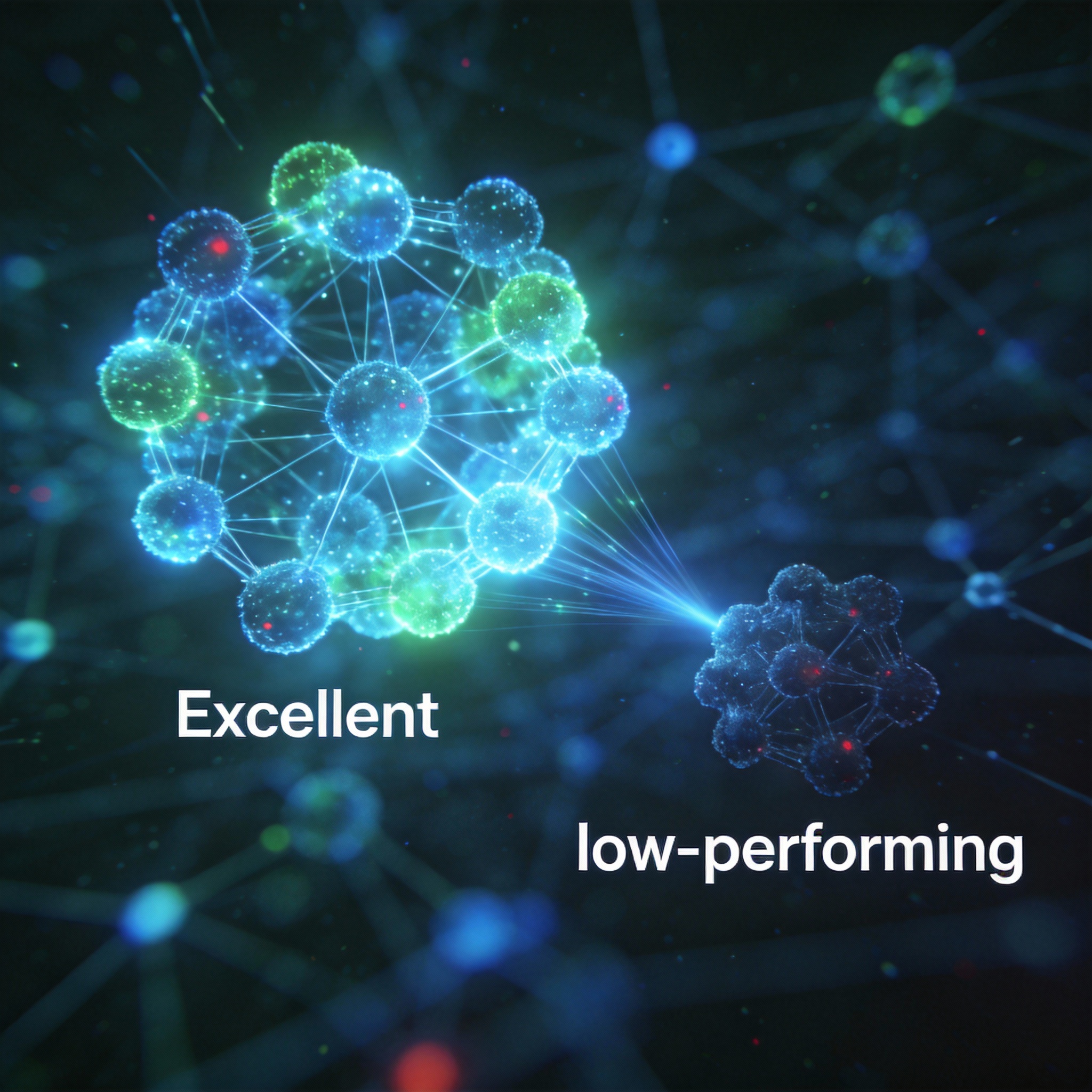
Abstract visualization of performance tiers, with a large bright cluster and a smaller dim cluster.
"Meta Compute" AI Infrastructure Initiative
Zuckerberg announced the official launch of "Meta Compute," an initiative to build a comprehensive AI power system. This involves constructing massive computing capabilities, expanding global data centers, and coordinating energy supply with strategic partners. The goal is to establish Meta AI's long-term competitive advantage without relying on external infrastructure.
The initiative is described as building an "AI world's power station + computing factory + energy ecosystem." Given that one gigawatt is roughly half the power output of the Hoover Dam, achieving a "hundreds of gigawatts" scale would require an energy consumption level comparable to that of some smaller nations. To support this, Meta has signed long-term agreements with nuclear energy companies to secure over 6 gigawatts of nuclear power for its AI data centers, sufficient to supply approximately 5 million households.
Meta plans to invest $600 billion in U.S. infrastructure by 2028, with over $70 billion allocated to AI infrastructure construction in 2025 alone. This indicates Meta's ambition to evolve into a global AI infrastructure provider, moving beyond its traditional focus on large models and social networks.
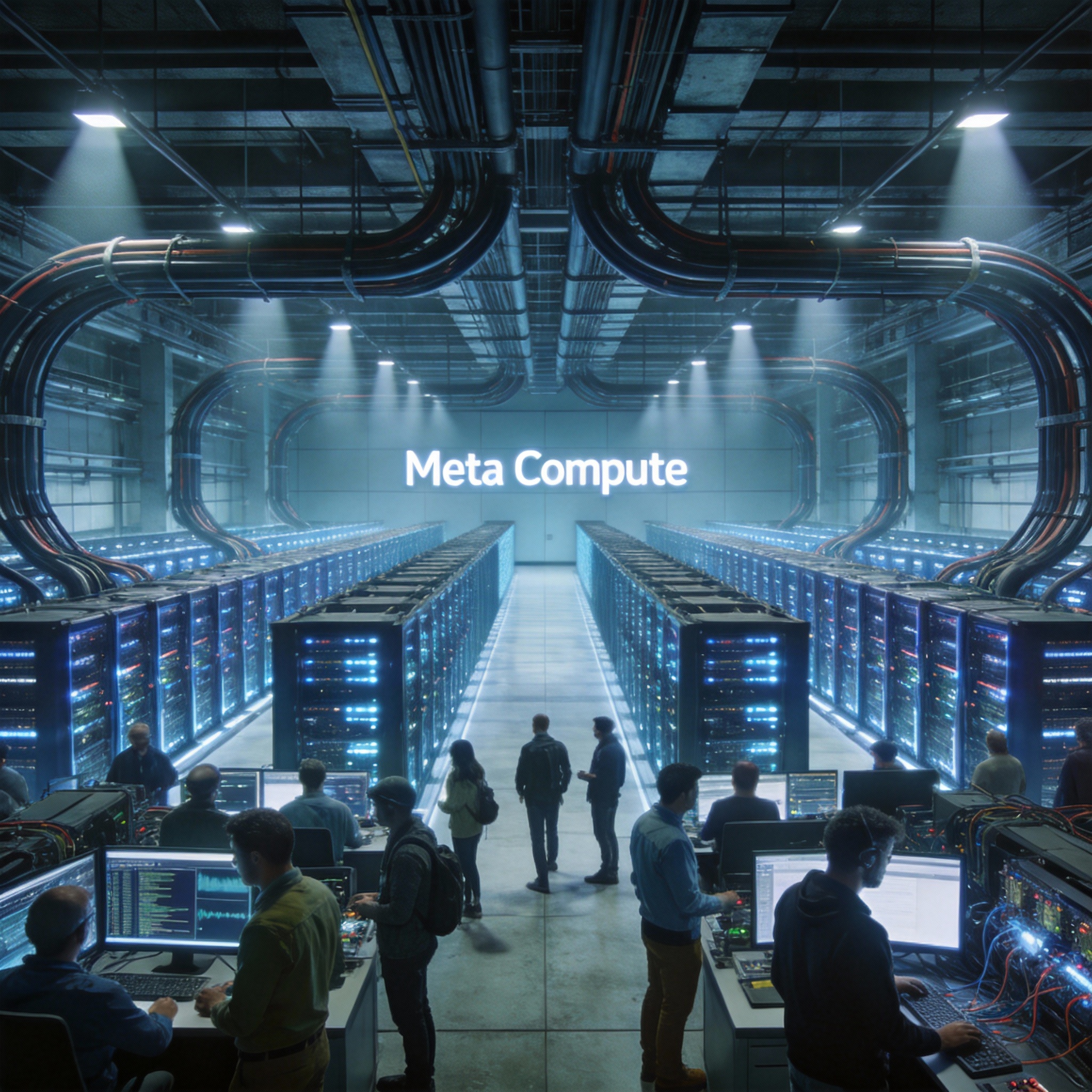
Engineers working in a massive, futuristic data center with glowing server racks and power conduits.
To lead the "Meta Compute" initiative, Meta has assembled a specialized team. Santosh Janardhan is responsible for global infrastructure and computing architecture, while Daniel Gross oversees long-term scaling, supply partnerships, and strategic analysis. Dina Powell McCormick has been appointed President & Vice Chairman, focusing on collaboration with governments, capital markets, and global partners.
Other major technology companies, including OpenAI, Google, Microsoft, and Amazon, are also making significant investments in AI computing networks, suggesting that the future of AI competition may involve a new form of energy infrastructure race.
Stay Ahead of the AI Curve
Join 50,000+ subscribers getting the latest AI tools, trends, and tutorials delivered to their inbox weekly.
No spam, unsubscribe at any time.