
Elite University Graduates Dominate OpenAI Workforce, Challenging "Education Is Useless" Narrative

Despite prominent figures like OpenAI CEO Sam Altman having dropped out of college, data on the educational backgrounds of OpenAI employees indicates a strong concentration of talent from elite universities. This trend suggests that while individual paths to success vary, traditional higher education remains a significant pipeline for top AI talent.
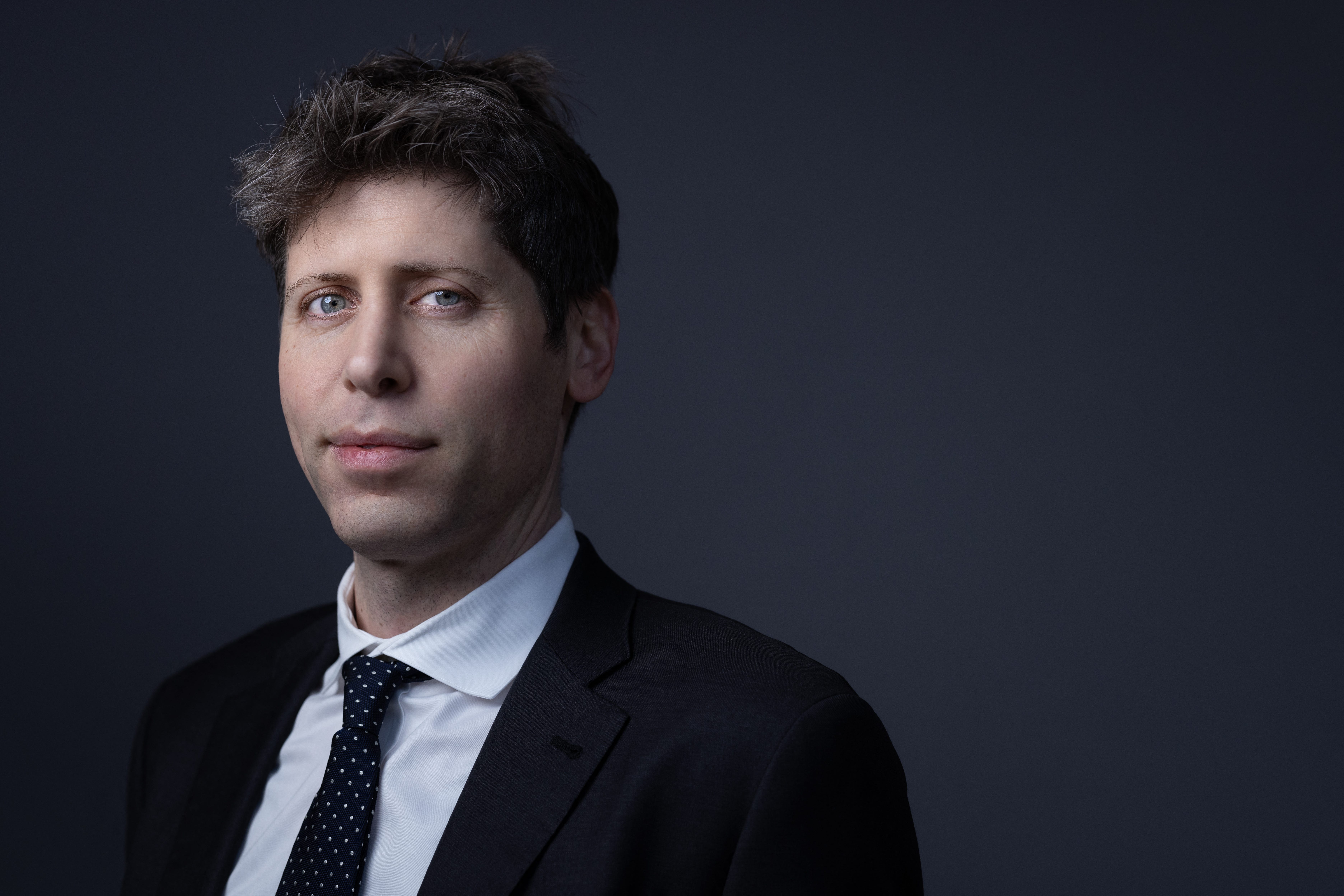
Portrait of Sam Altman, CEO of OpenAI, in a professional setting.
Altman, who left Stanford University after two years, has publicly stated that university education "doesn't work for most people" and indicated his children would likely not attend college. However, an analysis of OpenAI's workforce reveals a different picture.
OpenAI's Academic Talent Pool
An examination of OpenAI employees' alma maters shows a significant representation from leading academic institutions:
Stanford University: 230 employees
University of California, Berkeley: 151 employees
Massachusetts Institute of Technology (MIT): 100 employees
These three universities alone account for over 480 employees, representing more than 13% of the total OpenAI workforce included in the statistic. Other institutions with strong computer science and engineering programs, such as Carnegie Mellon University and Georgia Institute of Technology, also feature prominently. International universities, including the University of Waterloo, Tsinghua University, and Peking University, are also represented among the top 20 talent sources.
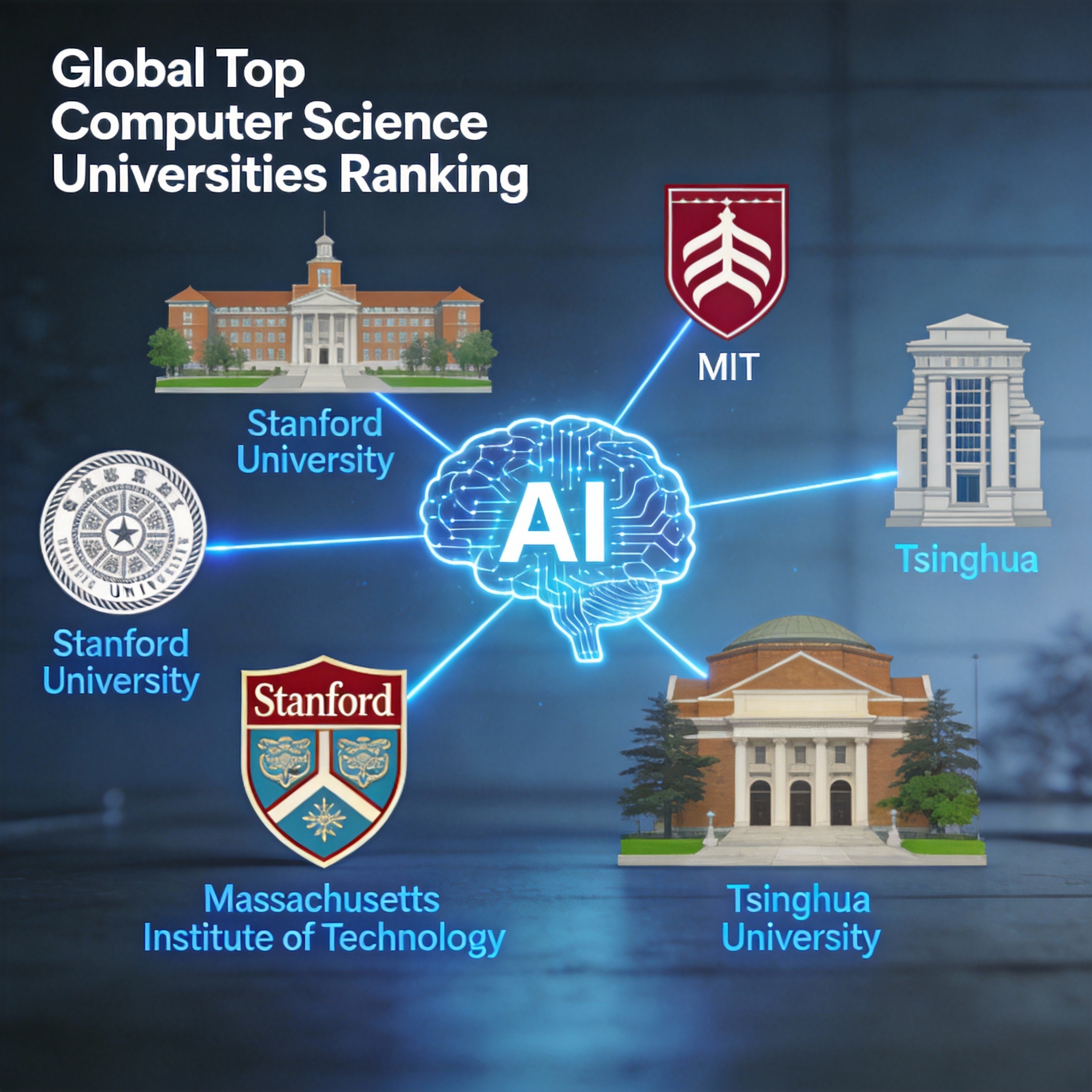
Abstract graphic showing global university icons connected to a central AI brain, representing top computer science talent.
Tech investor Deedy characterized this list as "essentially, a global ranking of computer science universities." While acknowledging the importance of education, Deedy also noted that the presence of graduates from these institutions highlights the proactivity of their top students, rather than solely reflecting educational quality.
The Role of University Education in AI
For those aspiring to work at leading AI companies, a degree from specific universities appears to enhance prospects. According to data from Harmonic, institutions like Stanford, the University of California system, MIT, Carnegie Mellon, and Harvard are among the top suppliers of talent for large language model development.
While graduates from the top 20 schools constitute a significant portion, a "talent tail" extends to numerous other institutions. For AI researchers, university affiliation remains a crucial factor, providing training, resources, vision, and professional connections. Beyond academic credentials, tangible achievements such as projects, published papers, and acquired skills are also highly valued. The collaborative networks fostered within academic settings, particularly in technical fields like AI, facilitate the transition of research into practical applications.
This connection between academia and industry is evident in the origins of companies like OpenAI and Anthropic, whose founding teams and early members often have ties to these academic institutions. Similarly, European AI firms such as Hugging Face and Mistral maintain links to institutions like École Polytechnique, and OpenAI has research collaborations with Oxford University. The institutional source of talent is seen as influential in shaping research, its application, and technical standards, thereby impacting technological development.

Abstract visual depicting two glowing energy fields clashing, symbolizing the intense competition in the AI talent war.
The Intensifying AI Talent War
The demand for top AI talent has led to an escalating competition among major technology companies. In July of the previous year, consultant Ram Srinivasan noted that the AI talent war had entered a new phase.
Compensation packages for leading AI researchers at OpenAI have reportedly exceeded $10 million annually, while Google DeepMind has offered packages as high as $20 million. Retention bonuses of $2 million, often requiring only 12 months of employment, have become common. Even internships in the AI sector have evolved into a high-stakes battle for talent, with short-term junior AI positions offering salaries that can surpass those of many senior full-time employees in other industries.

Stylized digital currency symbols and glowing data nodes, representing high compensation and retention bonuses in AI.
To secure the next generation of research talent, tech companies are continually pushing salary boundaries:
OpenAI's six-month resident researcher program offers a monthly salary of up to $18,300, with opportunities for full-time positions.
Anthropic's four-month research program provides researchers with a weekly stipend of $3,850 and a monthly budget of $15,000 for computing resources, alongside mentorship for cutting-edge research.
Google offers doctoral researchers a maximum annual salary of $150,000, and Meta's research interns can earn up to $12,000 per month.
This salary escalation underscores the urgent need for top algorithmic talent in the era of large language models, with interns becoming integral to major companies' AI strategies. The competition extends beyond compensation, encompassing infrastructure, resource access, and ambitious visions. In 2024, a Meta researcher reportedly declined an offer from Perplexity, stating, "Come back to me when you have ten thousand H100s." Even a $1.5 billion compensation package failed to persuade some top AI engineers to join Meta, as they opted for more autonomous entrepreneurial paths.
This dynamic highlights that the true competitive advantage for companies like OpenAI lies not solely in their AI models or technological infrastructure, but in their ability to attract and aggregate top AI talent. This concentration of expertise, drawn from leading global institutions, fosters a compounding effect that drives innovation and technological advancement.
Stay Ahead of the AI Curve
Join 50,000+ subscribers getting the latest AI tools, trends, and tutorials delivered to their inbox weekly.
No spam, unsubscribe at any time.