
Anthropic CEO Vows Legal Action Against Pentagon "Supply Chain Risk" Designation

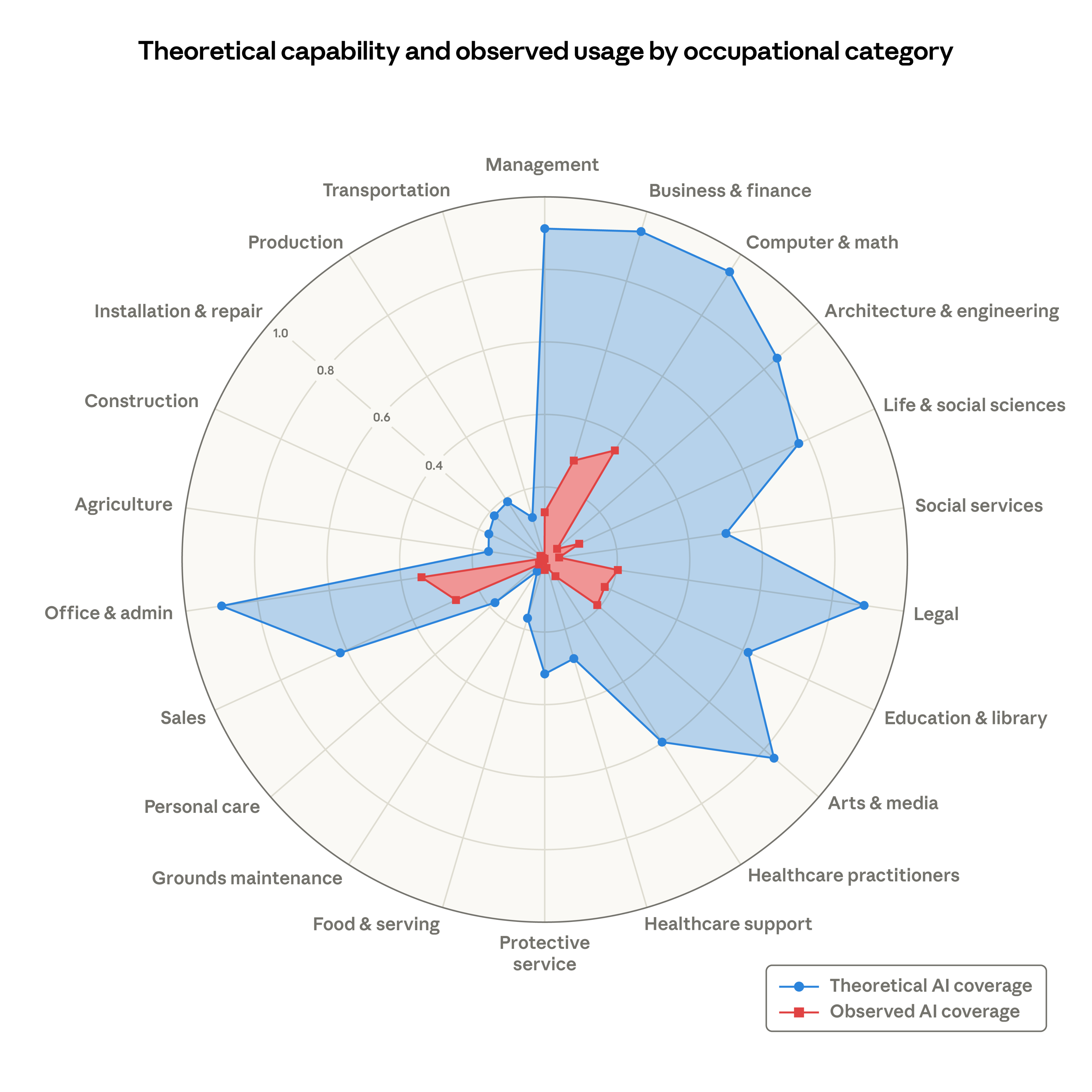
Anthropic CEO Dario Amodei announced the company's intention to sue the U.S. government following its designation of Anthropic as a "supply chain risk." The decision, which emerged as rival OpenAI secured a military agreement, has escalated tensions between Anthropic and the Department of Defense.

Two chess kings, one blue-lit, one orange-lit, on a chessboard, symbolizing rivalry.
Amodei's public statement follows an internal memo in which he criticized OpenAI CEO Sam Altman and questioned the veracity of OpenAI's statements regarding its Pentagon agreement. The memo, which was subsequently leaked, also accused OpenAI employees of being overly trusting.
After the leak, Amodei issued a rare public apology for the memo's tone but maintained his stance on the government's designation. In a recent official statement, he asserted that the government's decision lacks legal basis and that Anthropic has "no choice but to file a lawsuit through the courts."

Crumpled, partially burned memo on a dark desk, symbolizing a damaging leak.
Internal Memo Leak Scuttles Resolution Efforts
The leaked memo reportedly undermined potential resolutions between Anthropic and the Department of Defense. Amodei drafted the 1,600-word memo to employees after learning of the Pentagon's impending action against Anthropic and OpenAI's agreement with the military. The memo detailed Anthropic's conflict with the Department of Defense and criticized OpenAI and Altman.
Amodei later apologized for the memo, attributing its strong language to the chaotic period surrounding President Trump's social media posts about removing Anthropic from federal systems, the Secretary of Defense's announcement of the supply chain risk designation, and news of the Pentagon's agreement with OpenAI. He clarified that the memo did not reflect his considered views.
According to a senior Pentagon official, Emil Michael, negotiations to de-escalate the relationship between Anthropic and the Department of Defense ceased after the memo's exposure. Michael had previously criticized Amodei on social media. While Amodei apologized for the memo's tone, he reiterated Anthropic's two core principles: never participating in combat decisions or fully autonomous weapons, and never engaging in large-scale domestic surveillance. He also stated Anthropic's willingness to continue providing models and engineering support to the military at a symbolic fee for a smooth transition.
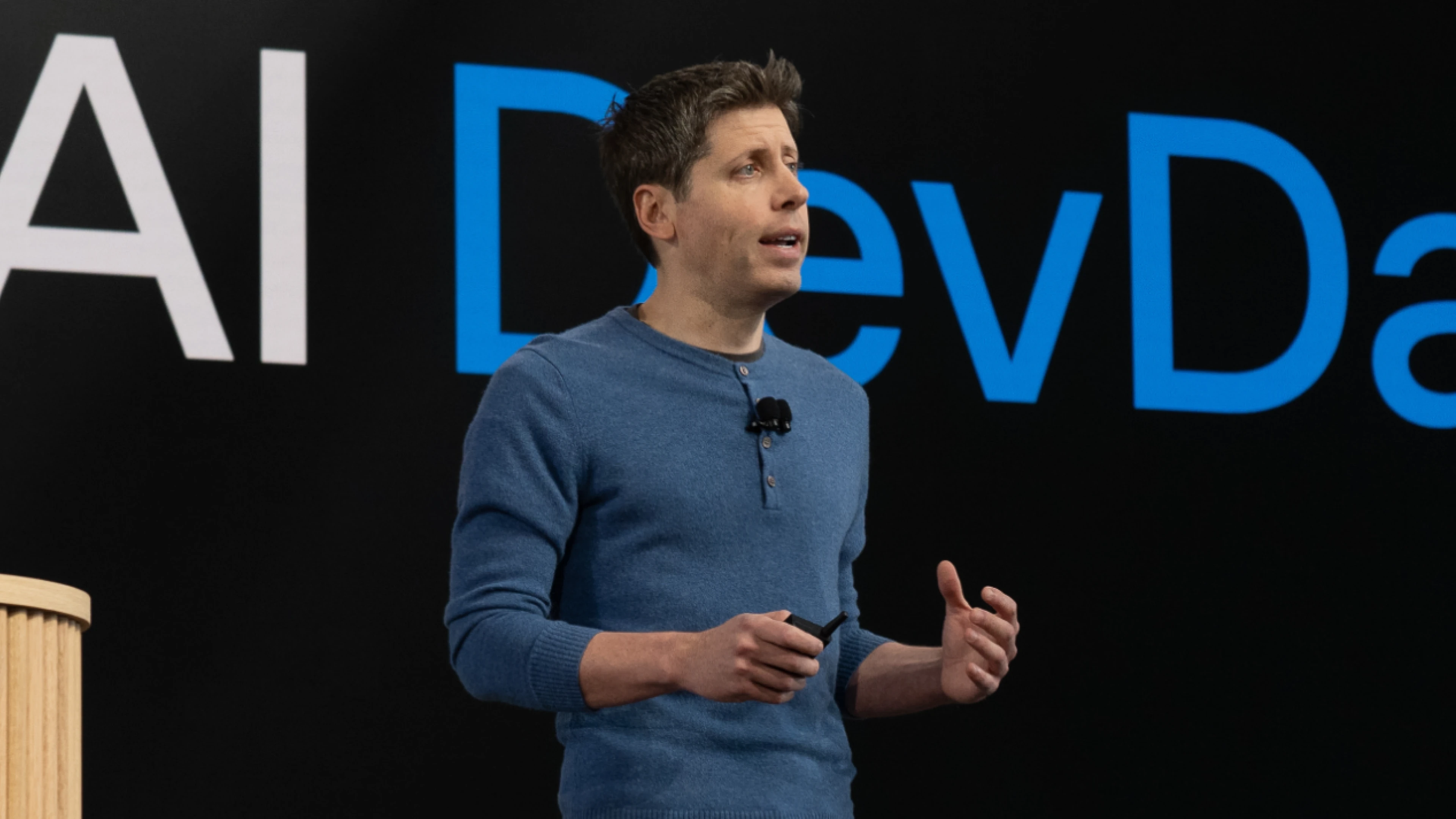
Sam Altman, CEO of OpenAI, in a professional and contemplative pose.
Rekindled Rivalry Between Amodei and Altman
The current dispute has reignited a long-standing rivalry between Dario Amodei and Sam Altman. Amodei, who joined OpenAI in 2016 and became Vice President of Research, left the company in 2020 with his sister Daniela Amodei and five other researchers. Their departure stemmed from disagreements over OpenAI's commercialization strategy, which they believed diverged from the company's original mission of "safely developing AI for the benefit of humanity."
In early 2021, the Amodei siblings founded Anthropic, prioritizing AI safety. The competition between the two companies has since evolved into a commercial and philosophical rivalry. Investor Joshua Kushner reportedly observed that Amodei's animosity toward OpenAI appeared to outweigh his commitment to Anthropic's values.
In the commercial sphere, Anthropic has actively competed with OpenAI. In October 2024, following several departures from OpenAI, Anthropic placed advertisements for Claude at San Francisco Airport, alluding to "the one without so much drama." More recently, Anthropic ran a Super Bowl advertisement for Claude, seemingly mocking OpenAI's decision to test ads in ChatGPT.

Diverging paths, one commercial, one ethical, symbolizing different company philosophies.
Their differing political stances also highlight the rivalry. Altman has engaged with the new administration, announcing the "Stargate" project with former President Trump at the White House. OpenAI President Greg Brockman and his wife have also made donations to support the Trump campaign. Conversely, Amodei has publicly opposed a clause in Trump's proposed "Big Beautiful Bill" draft that sought to prohibit states from regulating AI.
Anthropic's Revenue Surges Amidst "Supply Chain Risk" Label
Despite being labeled a "supply chain risk" by the U.S. government, a designation that could have severely impacted a startup valued at $380 billion, Anthropic has experienced an unexpected surge in support and revenue.
Microsoft was among the first to publicly support Anthropic, stating that its lawyers had reviewed the situation and that the company would continue to offer Claude to customers through platforms like M365 and GitHub, excluding Department of Defense-related projects. Google and Amazon also affirmed their continued cooperation, provided it did not involve the Department of Defense.
With backing from major tech companies, Anthropic's financial performance has seen significant growth. At the Morgan Stanley Technology Conference, Anthropic's annualized revenue reportedly exceeded $19 billion, doubling from the end of last year and then increasing by an additional 36%. While OpenAI's annualized revenue reached $25 billion, a 17% increase from the end of last year, Anthropic's growth rate has surpassed it.
Furthermore, key programming tools like Cursor are expected to default to Anthropic's Claude model in 2024. Following Altman's announcement of OpenAI's agreement with the Pentagon, Claude reportedly topped the U.S. Apple App Store's free download app list. The government's "supply chain risk" designation, intended to constrain Anthropic, appears to have inadvertently increased its public exposure and growth.
Upward-trending financial graph with a hand reaching up, symbolizing growth despite challenges.
Anthropic's Stance Resonates in Silicon Valley
Anthropic's relationship with the Pentagon was not always distant. In 2024, Anthropic signed a cooperation agreement with Palantir, a significant software vendor for the U.S. Department of Defense. Last year, the Pentagon awarded Anthropic an AI pilot contract worth $200 million. Until recently, Anthropic was also the first and only AI lab approved for deployment in classified systems.
Amodei noted in his public statement that Anthropic and the Department of Defense share more common ground than differences. The core of the conflict centers on Anthropic's two safety red lines: prohibiting the use of Claude for large-scale domestic surveillance and fully autonomous lethal weapons. The Pentagon, however, seeks to use Claude for "any legitimate purpose."
Anthropic's principled stand has garnered support within Silicon Valley. Hundreds of Google and OpenAI employees recently signed an open letter urging their employers to adopt similar ethical guidelines. Union organizations representing over 700,000 employees at Amazon, Google, and Microsoft have also called on these companies to resist large-scale domestic surveillance and fully autonomous lethal weapons. This indicates that Anthropic's position on AI safety has broad support across the tech community.
Stay Ahead of the AI Curve
Join 50,000+ subscribers getting the latest AI tools, trends, and tutorials delivered to their inbox weekly.
No spam, unsubscribe at any time.