
Anthropic CEO Dario Amodei Discusses AI's Societal Impact and Future Trajectory
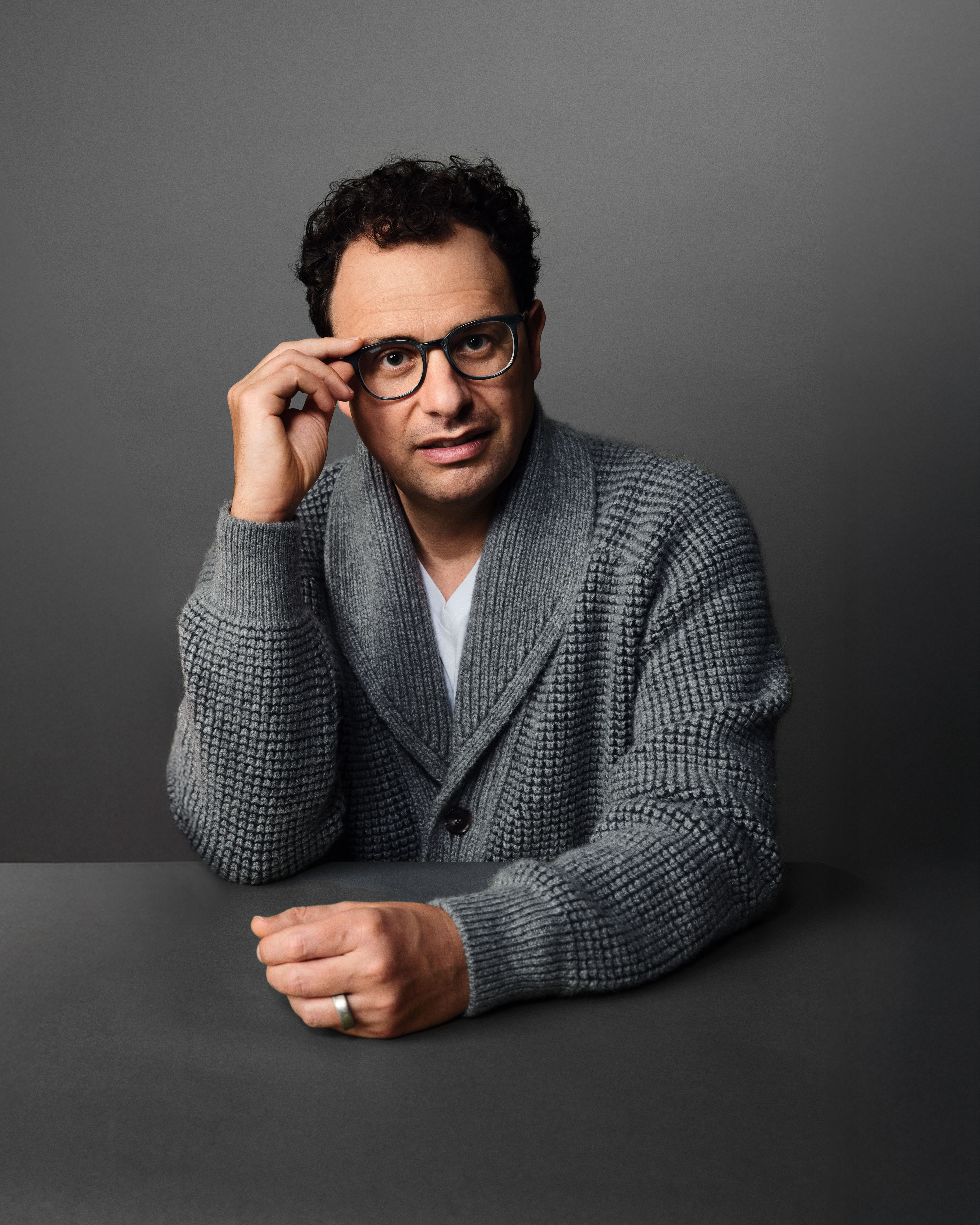
Dario Amodei, CEO of Anthropic, the company behind the Claude AI model, recently discussed the rapid advancements and potential societal shifts driven by artificial intelligence. Amodei, who holds degrees in physics and biophysics, co-founded Anthropic after departing OpenAI, driven by differing views on AI safety. His company is now valued at $380 billion, with an annualized revenue of $14 billion.
Abstract digital wave symbolizing an 'AI tsunami' over a futuristic city.
During a February 2026 interview in Bangalore, India, with Zerodha co-founder Nikhil Kamath, Amodei addressed topics ranging from AI's scaling laws to its potential impact on human consciousness and employment. Amodei stated that an "AI tsunami is already on the horizon" while expressing discomfort with the increasing concentration of power in the AI sector.
The Genesis of Anthropic and AI Safety Concerns
Amodei's journey into AI began not in computer science, but in biophysics, where he pursued a Ph.D. with the aim of curing diseases. He described a growing "despair" over the complexity of biological systems, which he felt might exceed human comprehension. This led him to recognize AI's potential as a powerful tool for solving complex problems, particularly after observing the breakthroughs of models like AlexNet in 2012.
After stints at Baidu and Google, Amodei joined OpenAI shortly after its founding, eventually leading its research department. He and several colleagues ultimately left to establish Anthropic, driven by two core beliefs. The first was the conviction in AI's scaling laws, a trend he identified during research on GPT-2 in 2019 and successfully advocated for within OpenAI. The second, more contentious point, concerned the immense economic, geopolitical, and safety implications of AI models achieving human-level cognitive capabilities. Amodei indicated that while there was rhetoric about responsible development, he was not convinced OpenAI was "seriously doing things the right way," leading to his departure.
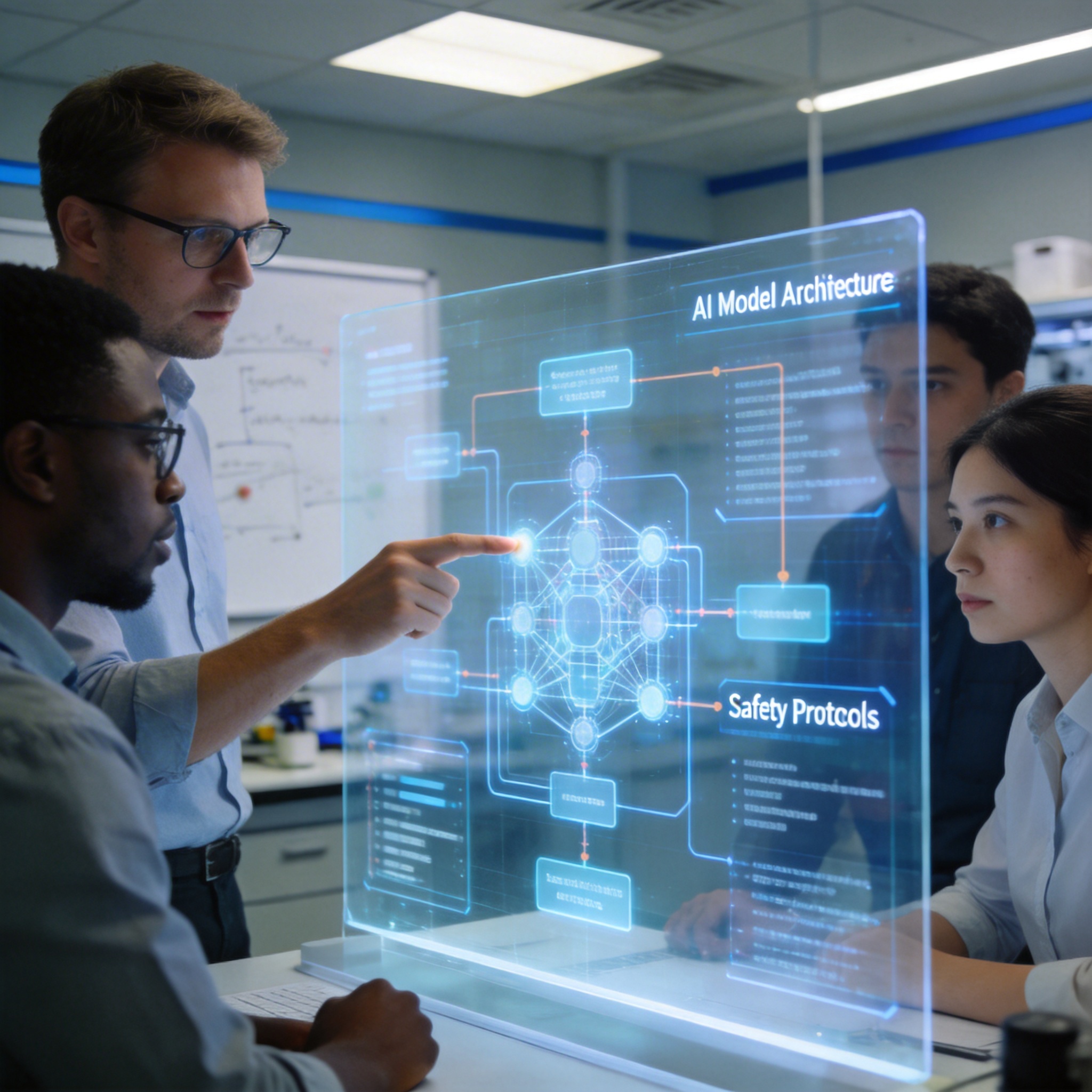
Engineers discussing AI safety protocols in a modern lab, emphasizing responsible development.
Anthropic's commitment to safety was demonstrated in 2022 when it developed an early version of Claude but chose not to release it immediately, fearing it would trigger an "arms race" in AI development. This decision, Amodei noted, came at the commercial cost of "potentially ceding leadership in consumer AI."
The "Chemical Reaction" of Scaling Laws
Amodei explained AI's scaling laws using a chemical reaction analogy, where data, computing power, and model scale are the "ingredients" that, when proportionally invested, produce intelligence. He highlighted the transformative capabilities of AI compared to five years prior, noting that current models can generate essays, implement code, and create images and videos. He emphasized that this goes beyond merely matching existing internet text, as models can process hypothetical scenarios and generate novel responses.
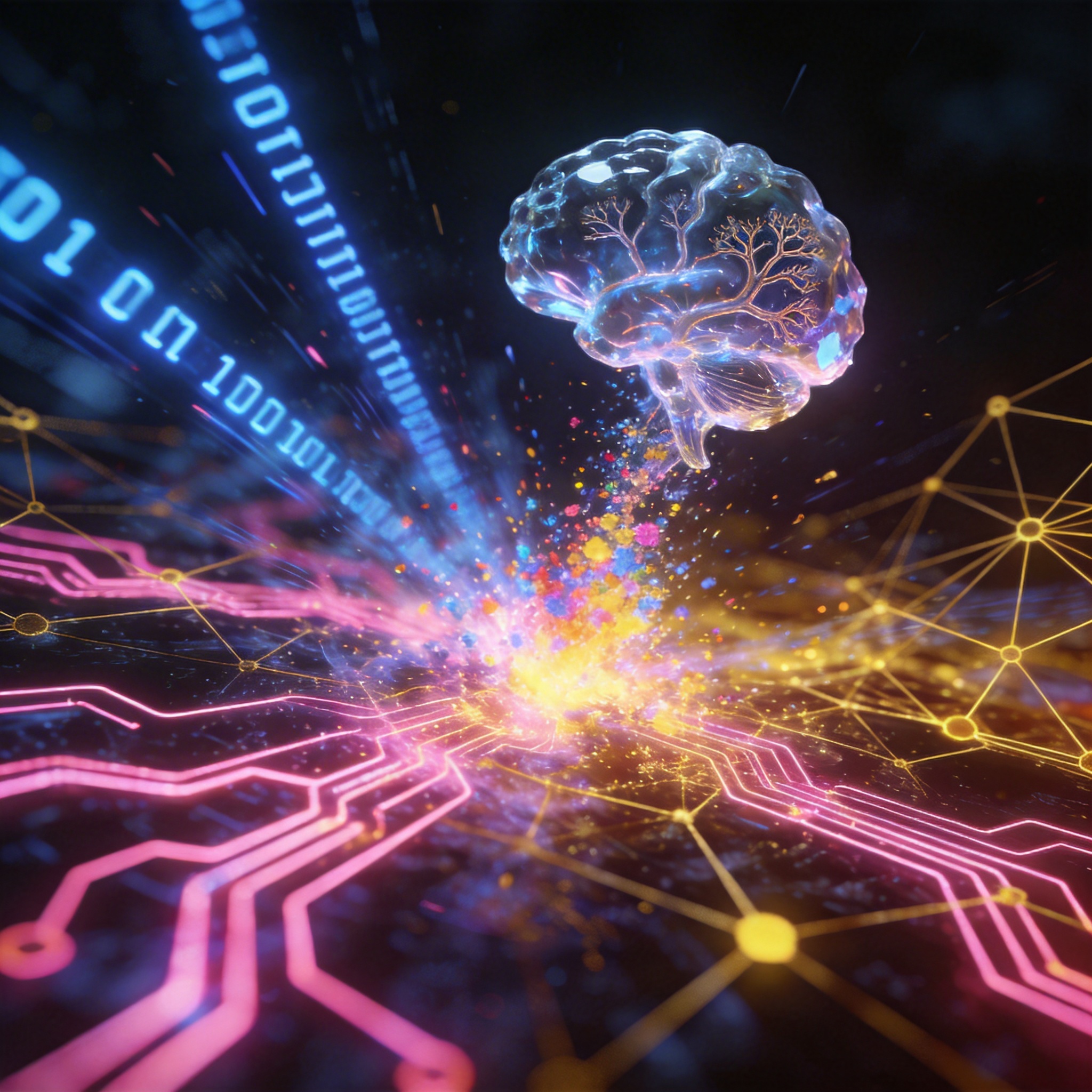
Abstract visual representing AI scaling laws as a chemical reaction of data, compute, and model scale.
Regarding the concentration of power, Amodei acknowledged his discomfort with how rapidly it has occurred. He cited Anthropic's Long-Term Benefit Trust (LTBT), an independent body designed to eventually appoint a majority of the company's board members, as a check and balance. He also pointed to his advocacy for "wise, non-slowing-down-of-technology" AI regulation, noting Anthropic's support for California's SB 53 bill, which targets frontier AI models.
AI's Impact on Employment and Entrepreneurship
Amodei predicted that coding would be among the first professions to be significantly impacted by AI, followed by broader software engineering. He conceded that in the long run, AI might surpass humans in "basically everything," including physical tasks and human interaction. However, he suggested that human-centered work and roles in the physical world, such as semiconductor manufacturing, would have a longer runway against AI automation.
For entrepreneurs, Amodei advised building "moats" rather than simply creating "wrapper products" around existing AI models. He suggested focusing on specialized areas like biology × AI or financial services, where regulatory complexities and specific domain knowledge create barriers to entry for larger AI companies. He also noted that Anthropic would compete directly in areas where it possesses unique insights, such as coding, due to its internal use of AI for development.

Young professional critically analyzing information on a tablet, emphasizing discernment in the age of AI.
Amodei stressed the importance of critical thinking for young people entering the workforce. With AI's ability to generate any content, discerning truth from falsehood will become increasingly vital. He also touched on the concept of "deskilling," acknowledging that improper use of AI could lead to a decline in human abilities, though he maintained that individuals could still choose to intellectually enrich themselves.
The Future of AI and Biotechnology
Amodei expressed optimism about the future of biotechnology, particularly in areas driven by AI. He believes that AI will usher in a "renaissance" in medicine, leading to cures for many diseases. He highlighted two specific areas: peptide-based therapies, which offer precise and continuous optimization due to their "almost digital property," and CAR-T and other cell therapies for treating cancers.
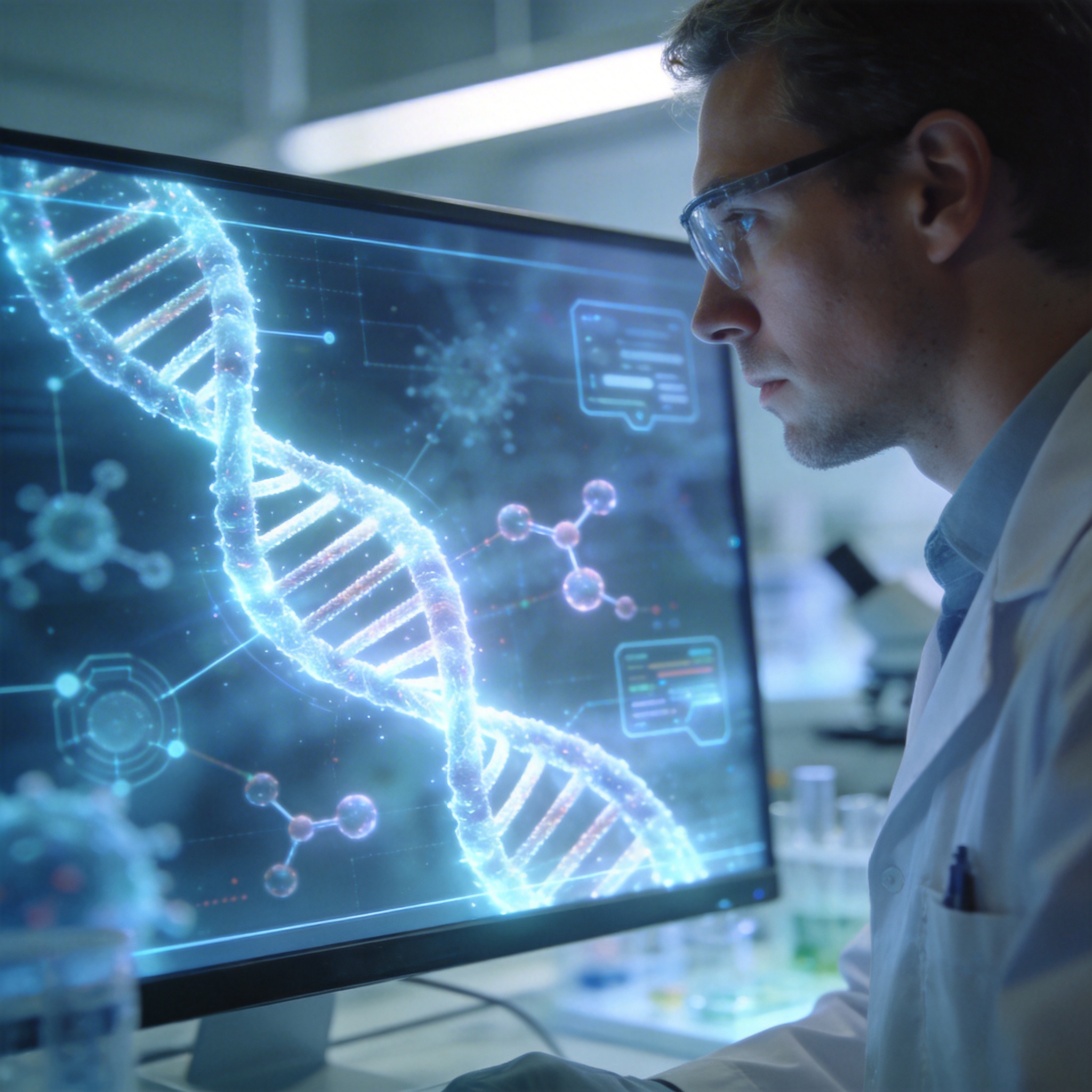
Futuristic biotechnology lab with holographic displays of DNA, symbolizing AI's role in medical breakthroughs.
He concluded by emphasizing that while much of what he knows is becoming public, his experience has shown that people often underestimate the pace and scale of change driven by AI. He believes that by combining empirical observation with first-principles thinking, individuals can better anticipate the future of this rapidly evolving technology.
Stay Ahead of the AI Curve
Join 50,000+ subscribers getting the latest AI tools, trends, and tutorials delivered to their inbox weekly.
No spam, unsubscribe at any time.