
AI Models Increasingly Leverage Python for Enhanced Task Execution and Reduced Token Consumption

Artificial intelligence models, particularly those employing "Skill" frameworks, are increasingly integrating Python code to improve execution accuracy and minimize token usage. This shift addresses limitations in current AI designs where models are deeply involved in every operational step, leading to high token consumption and occasional inaccuracies due to "hallucinations" or context-related information loss.
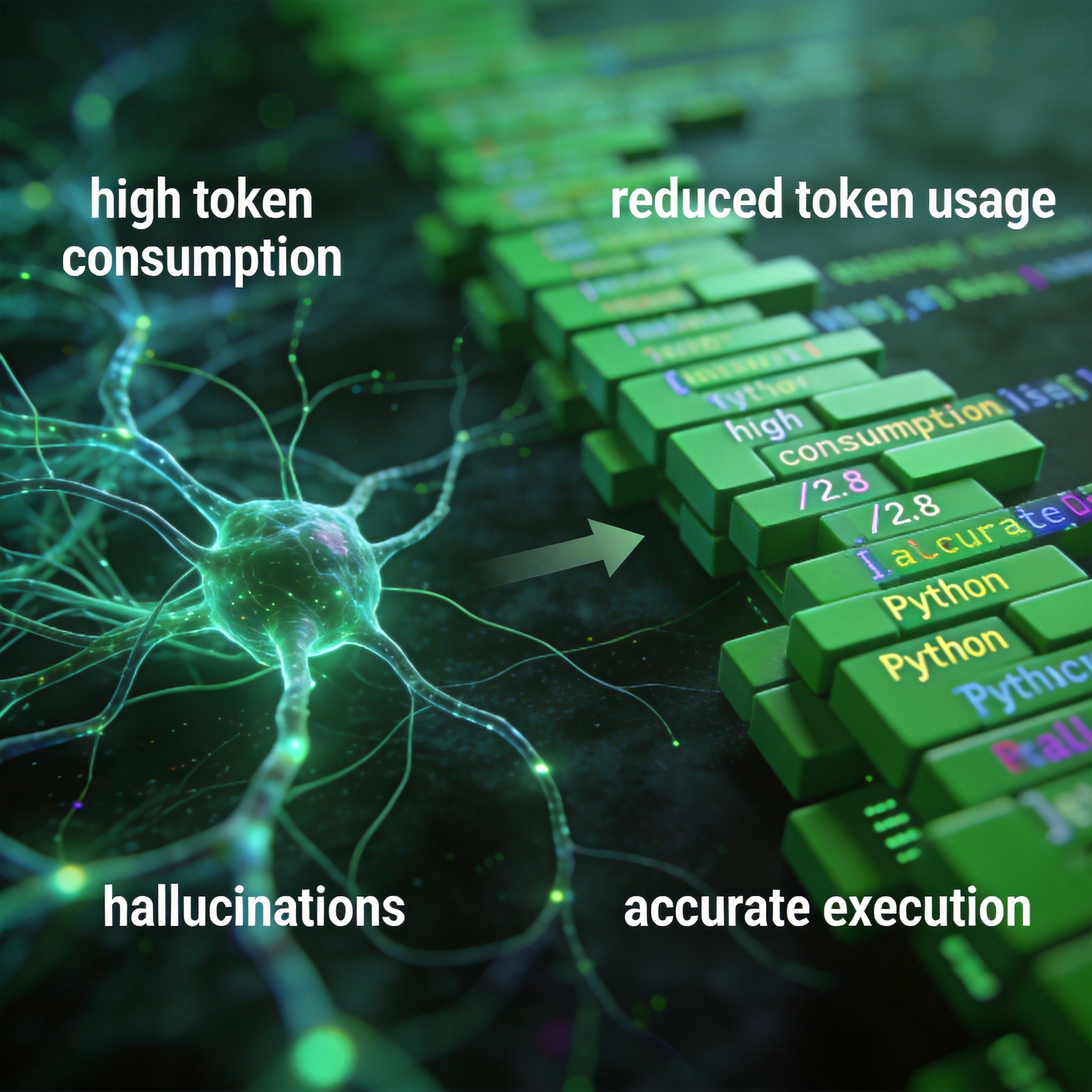
Visual metaphor showing chaotic AI processes transforming into organized, efficient Python code blocks.
A growing trend in AI development involves "Pythonizing" Skills. Running Python code does not consume tokens and offers precise, conditional logic, eliminating issues like hallucination or missed rules. This approach is seen as a significant future direction for Skill iteration.
LLM + Python Integration
A project named AiPy, open-sourced last year, exemplifies this trend by pushing the integration of large language models (LLMs) with Python to an extreme. AiPy's core concept, "Python-Use," leverages LLMs for task planning and code generation, while Python handles the specific execution steps.
The process follows a cycle: Task → Plan → Code → Execute → Feedback. An LLM receives a task, plans its execution, and writes Python code for each step. After the code runs, the result is fed back to the model, which then decides the next action. If execution errors occur, the model modifies the code and debugs itself until the task is complete.
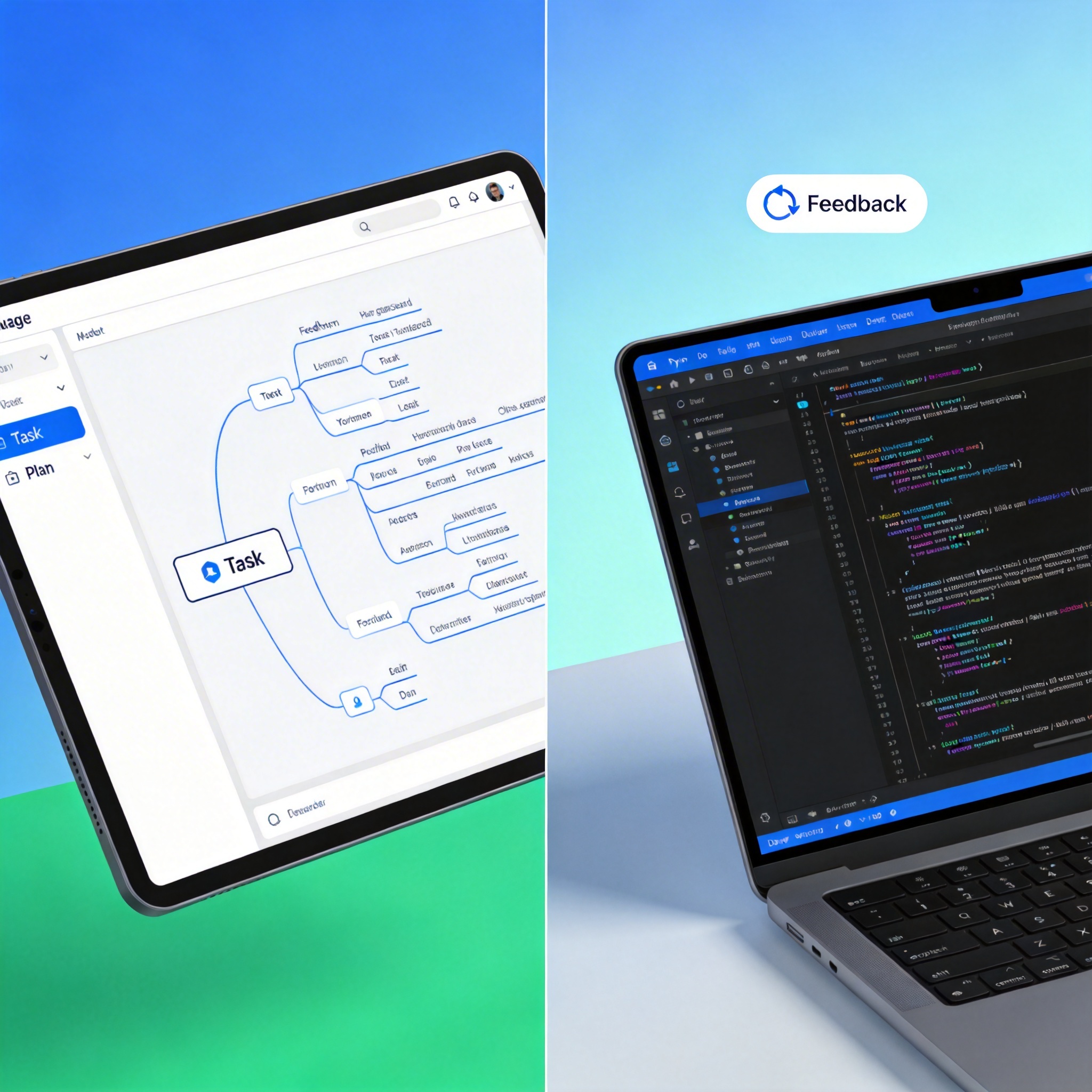
Split screen showing an LLM planning a task on one side and Python code execution on the other, illustrating the feedback loop.
For instance, when asked to find new books related to the industrial revolution on Douban, AiPy generates Python code to crawl pages, parse information like titles and ratings, and compile a list. The LLM plans the steps and writes the code, which is then executed. If an error occurs, the model revises the code. This clear division of labor assigns planning, reasoning, and tool generation to the LLM, while Python handles specific execution.
Pythonization of Skill Frameworks
AiPy's approach to generating Skills differs significantly from frameworks like OpenClaw. While OpenClaw typically embeds rules in Markdown files, AiPy solidifies all logic into Python code. The SKILL.MD file in AiPy serves primarily as a Python description, with all rules and processes fully "Pythonized." This design significantly reduces token consumption during Skill execution, as Python scripts manage most operations.
This strategy capitalizes on Python's extensive ecosystem, which includes libraries for data analysis (pandas), web scraping (Beautiful Soup), chart generation (Matplotlib), and various SDKs for model integration. The "Python-Use" concept leverages both the Python ecosystem and the coding capabilities of AI models.
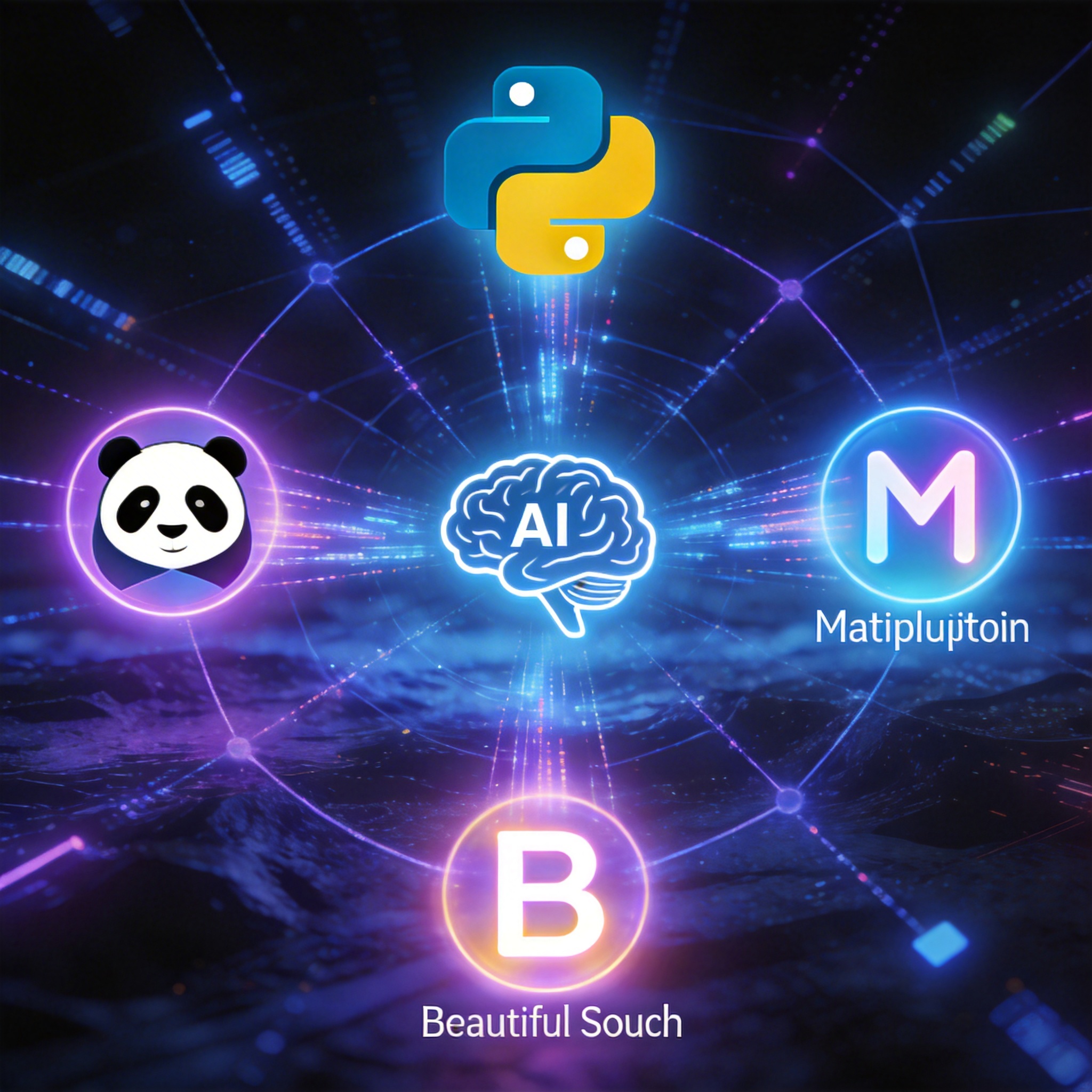
Abstract representation of Python's ecosystem with glowing library logos connected to a central AI brain.
AiPy introduces the concept of "Code is Agent," which simplifies traditional Agent development. It discards complex protocols, workflow orchestrations, and tool registrations, as Python code itself acts as the protocol and can execute tasks directly. The model plans, generates code, and the Python script interacts with data, browsers, file systems, and even IoT devices. This approach views code as a universal interface connecting the model to the real world, eliminating many intermediate abstraction layers.
Another example demonstrates AiPy's capability to handle complex tasks, such as identifying tech companies with recent layoffs. The system searches keywords, verifies sources, deduplicates information, categorizes data, and generates an Excel spreadsheet. If the initial output is incomplete, users can provide feedback, allowing the system to refine the task into a robust Skill for future, accurate execution.

Desk with laptop showing Excel spreadsheet, tablet with web search, and smartphone with feedback form, illustrating data analysis.
Conclusion
The AiPy project's core principle is that while AI models lack direct physical interaction, their ability to write and execute code enables them to perform most digital tasks. This "Python-Use" approach binds large models with Python runtime, allowing models to write, execute, and debug code autonomously.
This method is particularly well-suited for tasks with clear workflows, such as data analysis, web scraping, report generation, and batch file processing. Since these operations are code-driven, they conserve tokens and produce stable results. Once a task runs successfully, it can be solidified into a reusable Skill. The combination of LLMs and Python creates an "Executable AI."
Stay Ahead of the AI Curve
Join 50,000+ subscribers getting the latest AI tools, trends, and tutorials delivered to their inbox weekly.
No spam, unsubscribe at any time.