
ByteDance's TRAE AI Programming Solution Aims for Human-Machine Collaboration by 2026


By 2026, enterprise AI programming is projected to transition from basic code generation tools to advanced human-machine collaboration and intelligent autonomy. This shift redefines traditional programming, moving from a model where humans write code and AI assists with error correction, to one where humans define strategy and AI handles execution. This new paradigm, exemplified by ByteDance's TRAE, aims to free developers from routine coding, debugging, and documentation, allowing them to focus on business insights, architectural design, and complex logical decisions. AI is intended to become a full "AI engineer," managing the entire execution process.
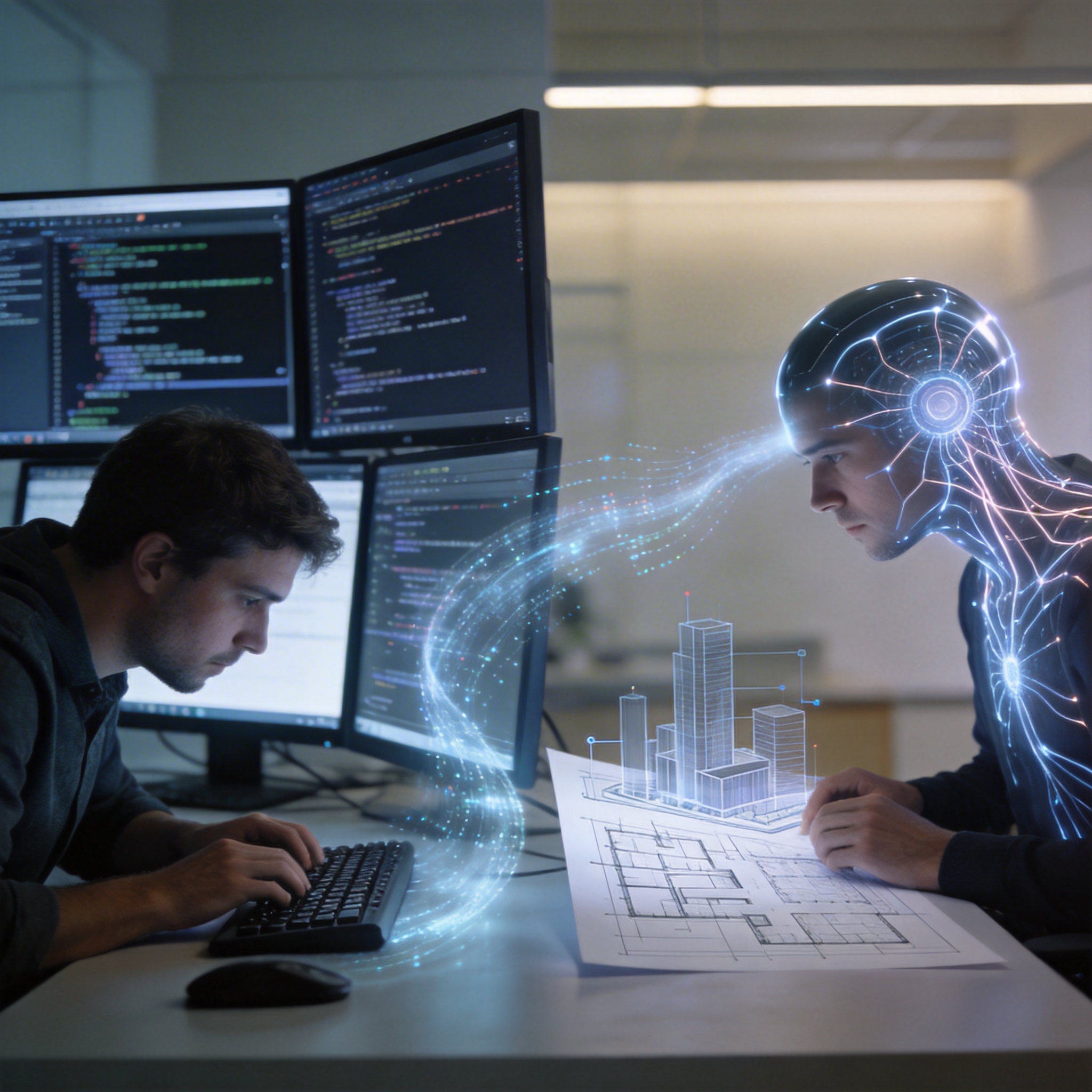
Visual metaphor showing programming evolving from human coding to AI-assisted strategic design.
This transformation is characterized by three key dimensions. First, a significant increase in efficiency, with AI tools potentially boosting code output by 340% for clear, low-to-medium complexity tasks like CRUD interface development. Second, an expansion of capabilities, as AI can independently manage entire workflows, including requirement decomposition, task planning, tool invocation, testing, and debugging, even working continuously for extended periods to build complete systems. Third, a broader range of applications, extending beyond simple coding assistance to enterprise research and development scenarios such as requirement review, compliance checks, technical debt cleanup, and cross-team collaboration.

Abstract spheres representing efficiency, capabilities, and applications expanding in AI.
TRAE's Core Positioning and Value
TRAE, which stands for "The Real AI Engineer," is an enterprise-grade AI programming solution developed by ByteDance. It is built upon the Doubao-Seed-2.0-Code programming model. TRAE is positioned as an autonomous collaborative AI partner designed to integrate into enterprise R&D ecosystems, understand business contexts, and adhere to corporate standards, rather than merely serving as a code generation tool.
Modern, sleek interior of a ByteDance office building, showcasing a professional work environment.
TRAE's core value propositions include:
Autonomous Collaboration: Its SOLO mode, an AI Agent working mode, enables full-process autonomous execution of tasks such as requirement decomposition, task planning, code writing, testing, debugging, and deployment without continuous human intervention.
Business Adaptability: Through Context Engineering and integration with enterprise knowledge bases, TRAE aims to accurately interpret business logic and implicit requirements, addressing the challenge of code being disconnected from business objectives.
Standardized and Controllable: A system of specifications (Spec) and constraint rules (Rules) translates enterprise coding standards and compliance requirements into AI-executable rules, ensuring generated code meets corporate norms and industry standards.
Ecosystem Compatibility: TRAE is designed for deep integration with existing enterprise R&D tools, including IDEs, Git, CI/CD, and APM, to avoid the need for R&D process refactoring and ensure seamless integration.
Secure and Trustworthy: Features such as sandbox isolation, private deployment, and operational traceability are intended to safeguard core enterprise code assets and meet compliance requirements, including Cybersecurity Classified Protection 2.0.
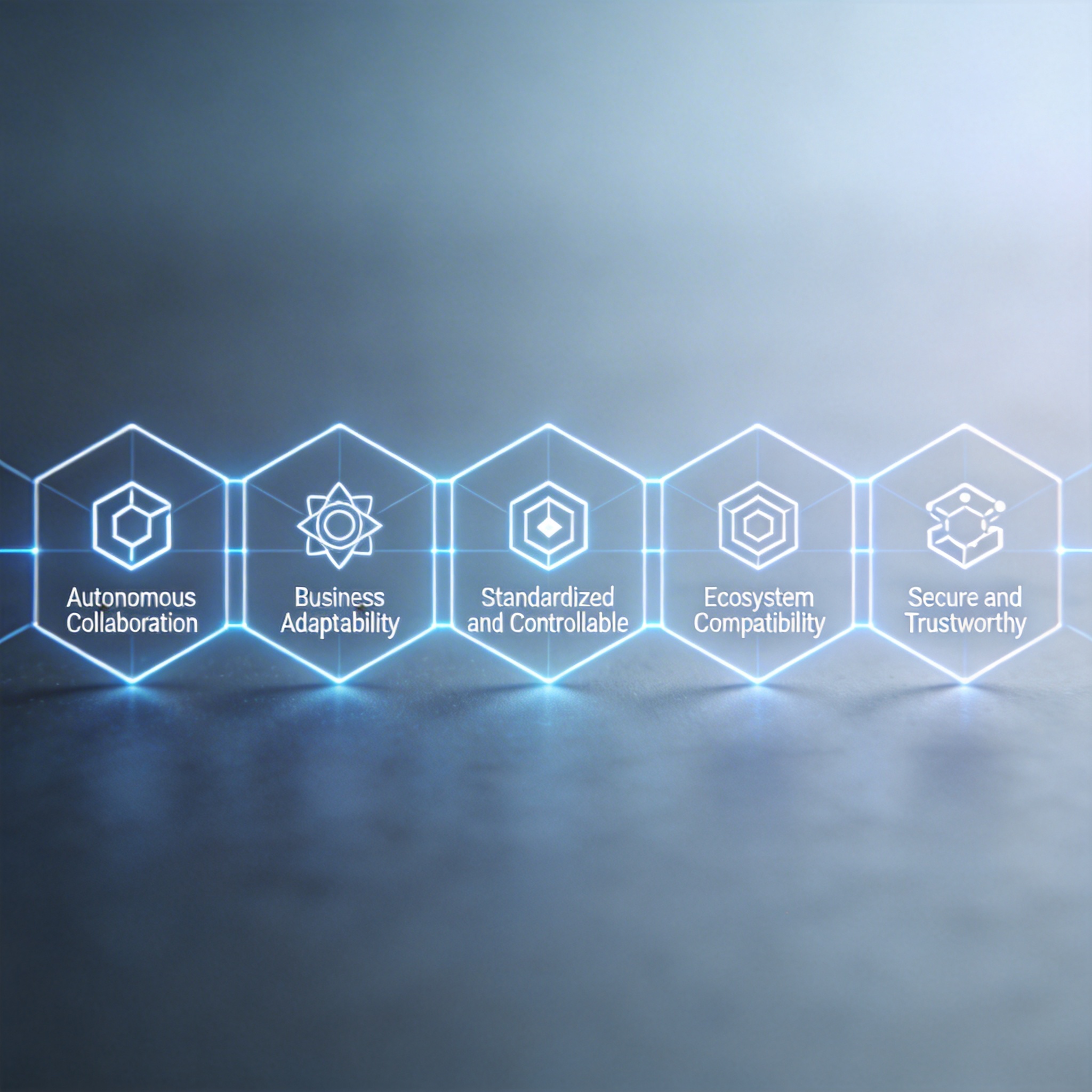
Infographic-style image showing five core values of TRAE: autonomy, adaptability, standardization, compatibility, security.
Methodology and Practice
The "2026 Enterprise-Grade AI Programming Practice Manual," authored by Trae Megadotnet, details the methodology of enterprise-grade programming in the AI era. Part One of the manual provides insights into Context Engineering, Skills, MCP (Master Control Program), Spec, Rules, and Agent technologies. Part Two describes the process of developing TRAE using TRAE itself, illustrating a self-bootstrapping approach for an AI Coding Agent.
The manual highlights TRAE's accumulated and recommended MCPs and Skills. The top 10 MCP Servers include Context7, Puppeteer, Sequential Thinking, GitHub, Figma, AI Bridge, Playwright, Memory, Excel, File System, and Chrome DevTools. The top 10 Skills encompass frontend-design, cache-components, fullstack-developer, frontend-code-review, code-reviewer, wepapp-testing, pr-creator, fix, update-docs, and find-skills.
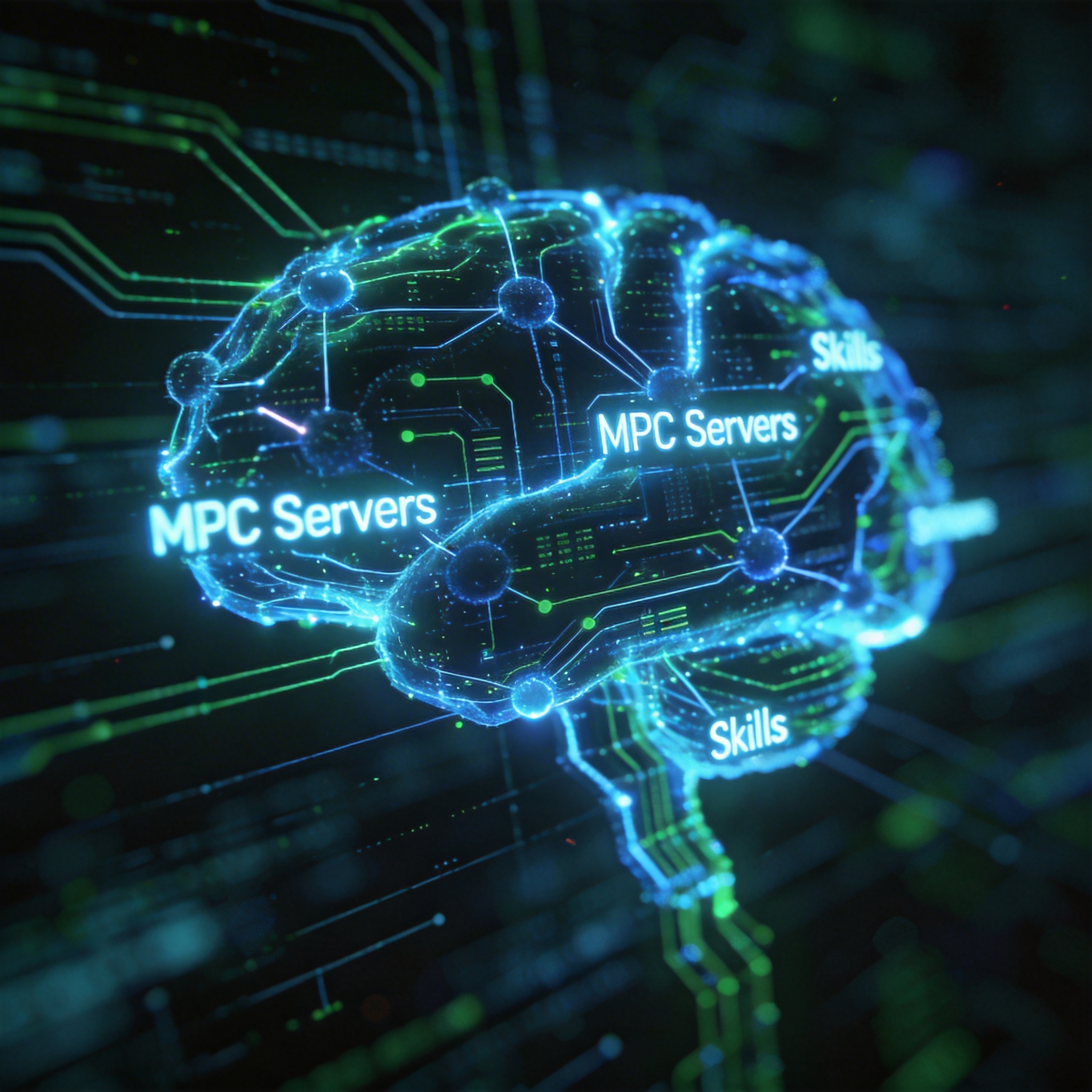
Abstract digital network representing interconnected AI skills and master control programs.
The full manual is available online.
Stay Ahead of the AI Curve
Join 50,000+ subscribers getting the latest AI tools, trends, and tutorials delivered to their inbox weekly.
No spam, unsubscribe at any time.