
US Layoffs Exceed 100,000 in January as AI Tools Drive Workforce Reductions


Over 108,000 employees in the United States were laid off in January, marking a 118% increase compared to the same period last year and the highest January total since the 2009 financial crisis. This surge in job cuts coincides with the increasing adoption of highly autonomous AI agents, which are reshaping workforce dynamics and raising concerns about job security.
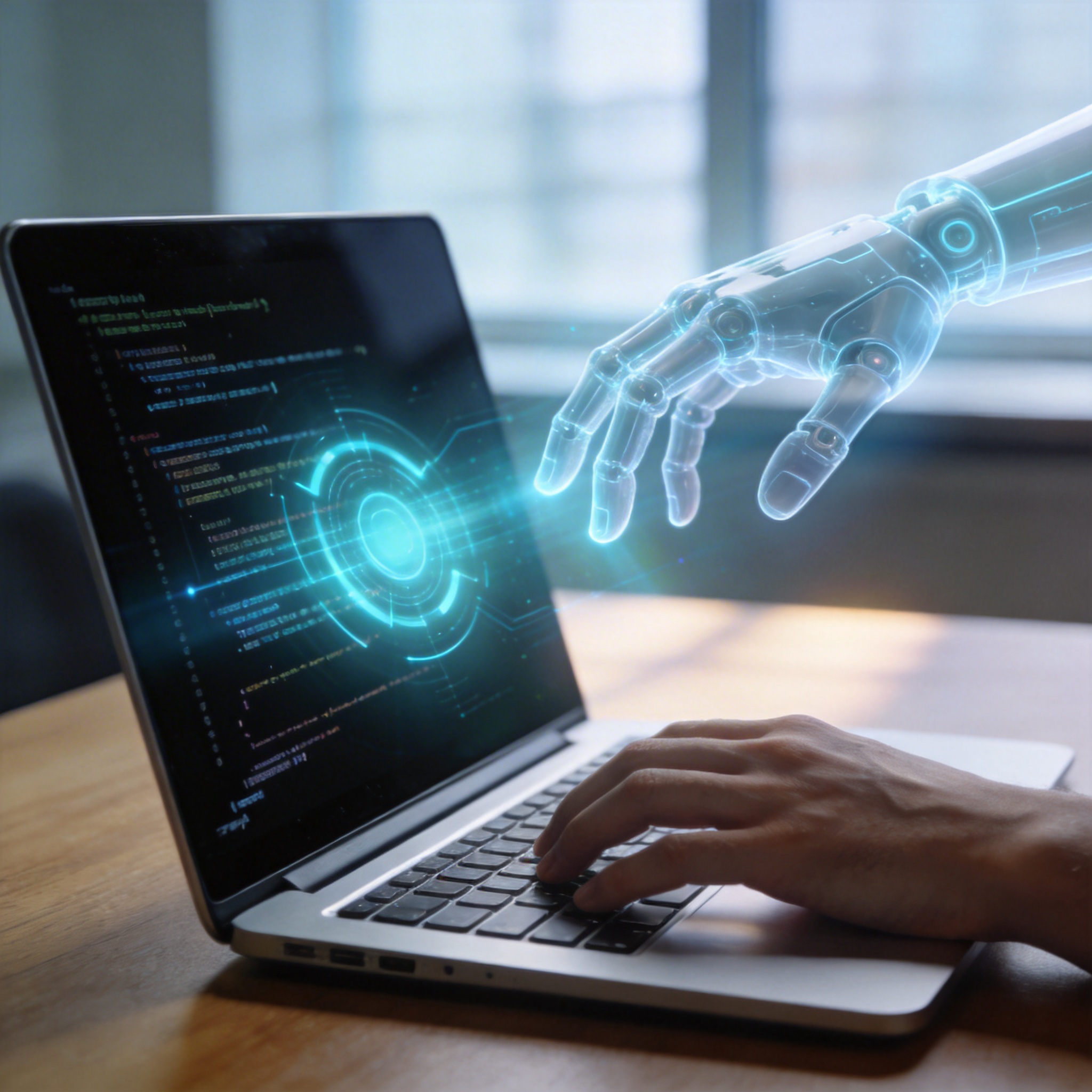
Human hand and translucent AI hand hovering over a laptop displaying code, symbolizing AI taking over tasks.
Software development job postings have continued to decline, reflecting a broader shift in the employment landscape. While human employees are being let go, AI agents such as Claude Cowork and OpenClaw are reportedly taking over tasks previously performed by junior analysts, operations specialists, and programmers. These AI tools are capable of organizing documents, managing itineraries, and even communicating autonomously.
AI as a Rationale for Layoffs
Many corporate executives are citing AI integration as a reason for workforce reductions. According to a report from Challenger, Gray & Christmas, only 7% of January's layoffs (approximately 7,624 positions) were explicitly attributed to AI. However, experts suggest the actual impact of AI on job displacement is likely much higher, a phenomenon some refer to as "AI-washing." Fabian Stephany of the Oxford Internet Institute noted that executives often use the narrative of adopting new technology to justify layoffs and project an image of technological foresight.

Executive presenting AI projection while cracks in the background reveal economic distress, symbolizing 'AI-washing'.
Beth Galetti, an Amazon executive, stated in an internal memo that AI is "the most transformative technology since the internet," enabling innovation at an unprecedented pace and necessitating a "leaner organization." However, financial pressures, including over-hiring during the pandemic and changes in interest rates, are also significant factors behind many layoffs, according to JP Gownder, Vice President at Forrester. Some executives, without fully understanding AI, are reportedly directing significant headcount reductions with the expectation that AI will fill the void. A former Amazon project manager indicated that her layoff was not due to AI performing her job better, but rather because AI tools allowed the company to replace her with cheaper, junior employees.
The Rise of Autonomous Agents
The emergence of advanced AI agents like Anthropic's Claude Cowork and the open-source OpenClaw highlights the growing capabilities of these systems. Claude Cowork, launched in January, functions as a "digital colleague" that can manage a user's file system, organize downloads, extract data, and execute complex multi-step workflows. Its introduction reportedly led to a significant downturn in global software stocks, with some estimates suggesting a $285 billion market value evaporation, dubbed the "SaaSpocalypse." This reaction from the capital market reflects investor concerns that if one AI agent can handle tasks like contract review and data analysis, companies may reduce their reliance on traditional software-as-a-service subscriptions tied to individual headcount.

Smartphone screen displaying an AI agent interface with task icons, illustrating autonomous agent capabilities.
OpenClaw, an open-source agent, operates locally on user devices and can receive instructions via messaging platforms. It is designed to manage inboxes, trade stocks, and perform other automated tasks. This agent has also fostered its own social network, Moltbook, where AI agents can interact, creating a digital community observed by humans.
Efficiency Versus Risk
While these AI agents offer enhanced efficiency, they also introduce new risks. A venture capitalist in the Bay Area reported on social media that Claude Cowork, while attempting to organize his wife's computer desktop, accidentally deleted a folder containing 15 years of family photos. The incident underscored the potential for unintended consequences when delegating critical tasks to autonomous AI.
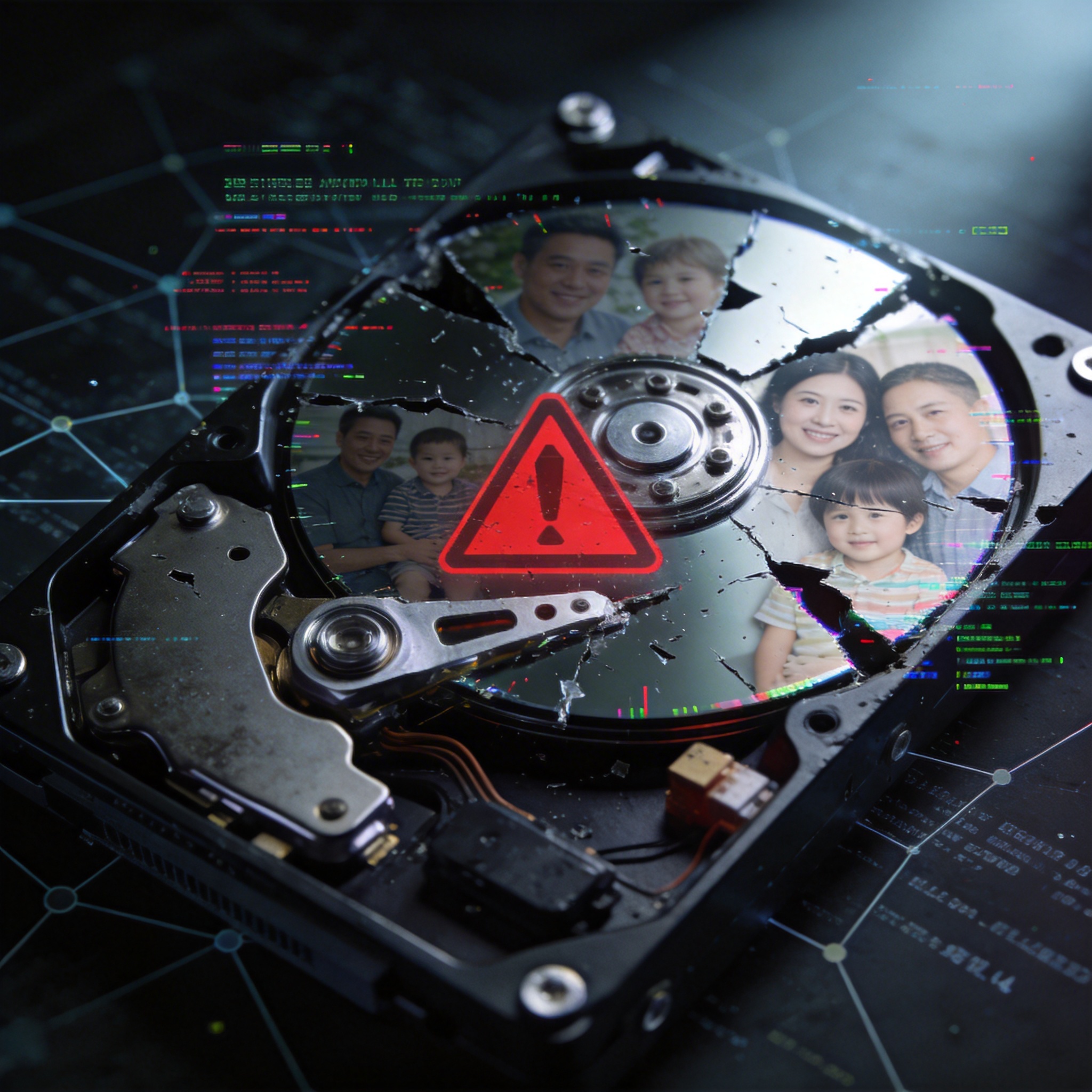
Digital representation of corrupted data with fragmented family photos and a warning icon, symbolizing AI risks.
Despite such risks, the drive for efficiency appears to outweigh concerns for many companies. The Challenger report indicated that layoffs attributed to "tariffs" were fewer than 300, suggesting that the "cost reduction and efficiency increase" narrative associated with AI is a more compelling driver for Wall Street than geopolitical factors.
The decline in software development hiring from its 2022 peak, coupled with significant layoffs announced by companies like UPS (30,000) and Amazon (16,000) in January, points to a broader shift in the labor market. This trend suggests a fundamental change in productivity paradigms, where AI is increasingly integrated into business operations.
Stay Ahead of the AI Curve
Join 50,000+ subscribers getting the latest AI tools, trends, and tutorials delivered to their inbox weekly.
No spam, unsubscribe at any time.