Sequoia Capital CEO Roelof Botha Departs Amid Partner Dissatisfaction and Missed AI Investments
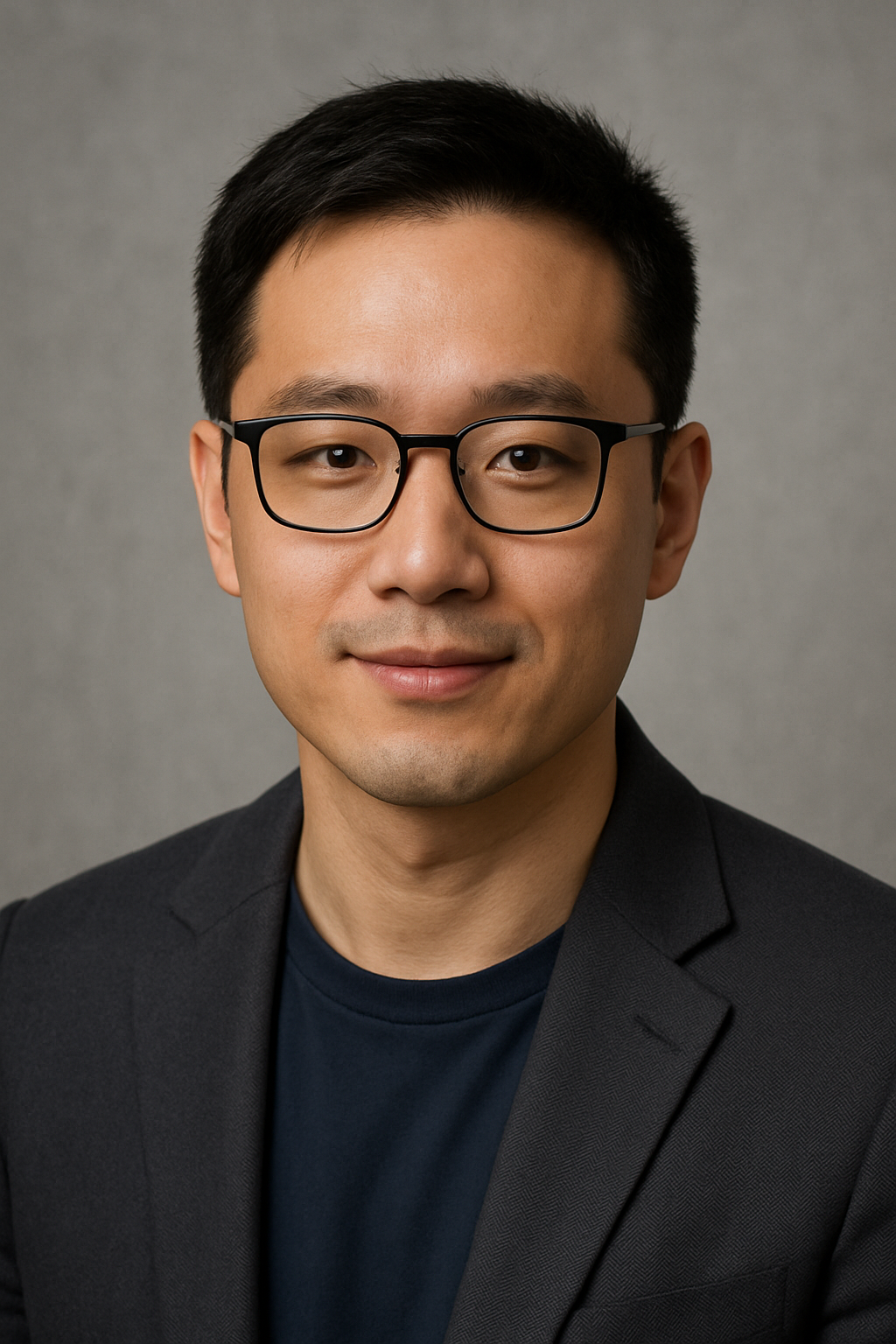
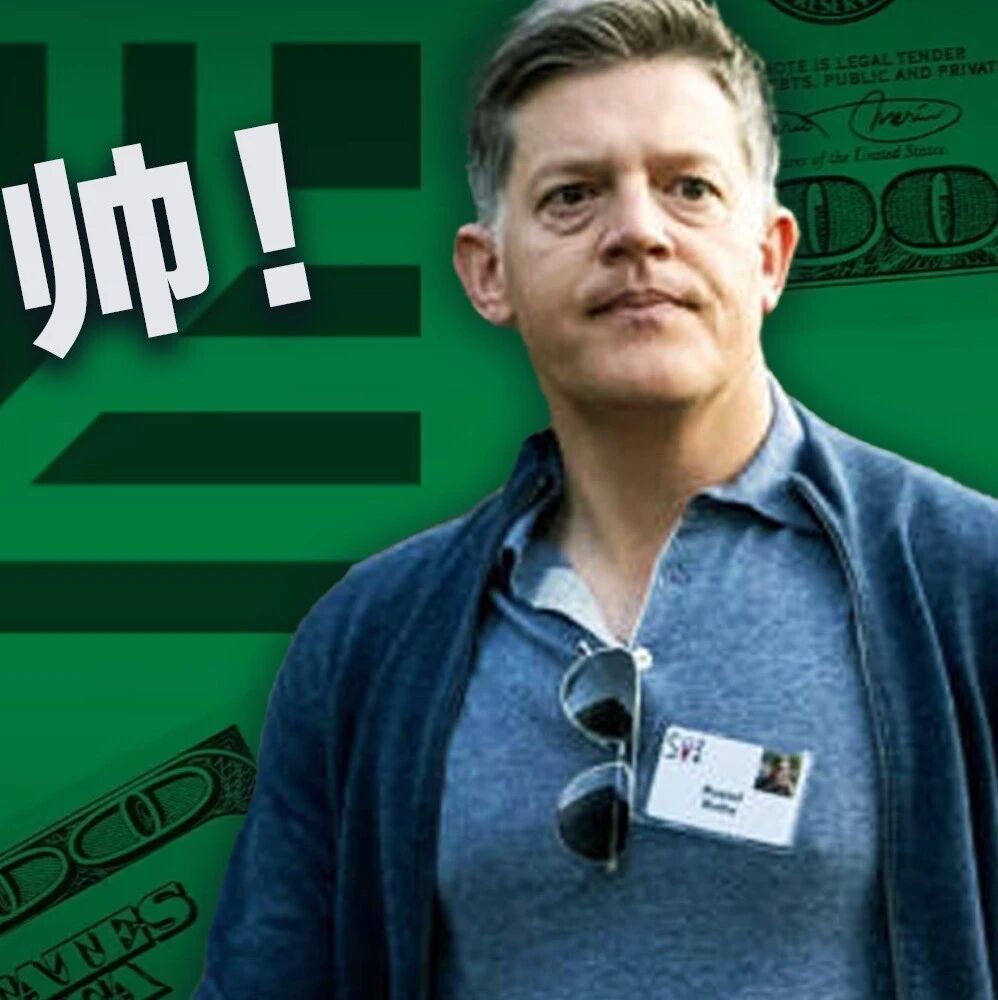
Sequoia Capital CEO Roelof Botha has stepped down from his leadership role following an internal mechanism invoked by partners Alfred Lin and Pat Grady, among others, according to information reviewed by toolmesh.ai. The move comes amid concerns over missed AI investment opportunities, Botha's assertive management style, and several public relations and governance controversies during his tenure. Lin and Grady have jointly assumed leadership, while Botha transitions to an investment partner.
Leadership Transition at Sequoia
Botha's departure, presented publicly as a voluntary transition, was reportedly an orchestrated executive ousting. Influential Sequoia partners Alfred Lin, Pat Grady, and Andrew Reed, with internal support and the approval of former leader Doug Leone, privately approached Botha to express dissatisfaction with his leadership. They utilized Sequoia's internal governance mechanism, which allows partners to initiate a vote of no confidence against top leadership, with voting weight increasing by seniority.
Sources indicate that Botha's management style was a contributing factor. One insider described Botha as having a high IQ but lacking emotional intelligence, often needing to be perceived as the "smartest person in the room." Botha's assertive and confident approach, while offering incisive insights, sometimes left colleagues feeling his emotional intelligence did not match his intellect.
Missed AI Opportunities and Internal Dissent
A primary driver of the dissatisfaction stemmed from Sequoia's perceived conservative approach to AI investments. In 2019, Sequoia initially overlooked OpenAI. While the firm invested tens of millions in OpenAI in 2021 at a valuation of approximately $20 billion, it later avoided an employee stock sale round in early 2024 at an $86 billion valuation, deeming the price too high. Sequoia also did not participate in OpenAI's $157 billion funding round in late 2024, reportedly due to OpenAI's requirement that investors not back competitors, and Sequoia's existing investment in Elon Musk's xAI. By 2025, with OpenAI's valuation at $260 billion, Sequoia reportedly sought to invest $1 billion but secured a smaller share than desired.
Further fueling internal resentment were missed investment opportunities in other AI startups. Sequoia reportedly passed on investing in Anysphere (developer of the AI coding assistant "Cursor") and Mercor (an AI recruitment platform). Anysphere is now valued at nearly $30 billion, and Mercor at approximately $10 billion. These missed deals led some partners to privately criticize Botha's cautious investment strategy, with some directly questioning his AI strategy and the firm's failure to secure early stakes in promising AI ventures.
Executive Conflicts and Strategic Missteps
Botha's three-year tenure was marked by internal conflicts and strategic challenges. In early 2024, a dispute arose between former Sequoia leader Michael Moritz and Botha's team regarding a board seat at Klarna, a Swedish unicorn preparing for an IPO. Moritz, Klarna's chairman, faced demands for his removal from a Sequoia-appointed director. Botha supported his partners in this move, which ultimately saw Moritz retain his position and Sequoia's representative removed. Botha later apologized, calling the incident "an unnecessary distraction."
Another controversy involved the resignation of Sequoia's Chief Operating Officer, Sumaiya Balbale, in August. This followed social media comments by Sequoia partner Shaun Maguire, which were perceived as religiously discriminatory. Balbale, who is Muslim, reportedly resigned after Botha issued only a casual reminder to Maguire without disciplinary action, citing Sequoia's "political neutrality" and respect for partners' freedom of speech. This incident led to public criticism, with some Silicon Valley entrepreneurs publishing an open letter stating they would not accept investment from Sequoia due to its perceived tolerance of hate speech.
Internally, Botha's strategic decision to launch an "evergreen fund" in 2021 also drew criticism. The fund aimed to hold long-term stakes in portfolio companies post-IPO, departing from Sequoia's traditional exit strategy. However, the timing coincided with a market peak, and the subsequent tech stock downturn forced Sequoia to allow limited partners (LPs) to exit the fund early in mid-2023 to mitigate losses. While the fund has since seen paper gains due to a market rebound, some LPs expressed resentment over being pressured to invest in the fund, and the initial misstep created distrust.
New Leadership and Future Direction
Following the leadership change, Alfred Lin, 53, and Pat Grady, 43, have assumed roles as co-leaders. Lin, an early-stage investor, has backed companies like Airbnb and DoorDash and championed AI investments, including OpenAI. Grady, with 19 years at Sequoia, has led mature-stage investments in companies such as Snowflake, ServiceNow, and Zoom, and also played a role in OpenAI's funding. Their combined experience in consumer, early-stage AI, enterprise services, and growth expansion is seen as a strategic move for Sequoia's future.
Botha will remain an investment partner and continue to serve as a director and advisor for his portfolio companies. Botha, a member of the "PayPal Mafia," joined Sequoia in 2003 and contributed to investments in YouTube, Instagram, Square (now Block), Unity, and MongoDB. He led Sequoia's US/Europe operations from 2017 and was promoted to Global Managing Partner in 2022. However, his later investment focus shifted towards consumer and healthcare, with less emphasis on AI. Investments in companies like Bird and 23andMe, which went public via SPACs, later faced bankruptcy or severe financial crises. Sequoia also fully wrote off a $200 million investment in FTX during the cryptocurrency bubble collapse.
In November, Sequoia announced a new early-stage fund portfolio totaling $950 million, targeting opportunities in AI. The leadership change and new fund are part of Sequoia's efforts to adapt to the rapidly evolving technological landscape and the current AI wave.