
Sam Altman Calls Current Youth "Luckiest Generation" Amid Job Market Shifts


OpenAI CEO Sam Altman recently stated that if he were 22 and graduating college today, he would consider himself part of the "luckiest generation in history." This perspective comes as many young people face significant anxieties regarding layoffs, competitive postgraduate exams, and a perceived devaluation of traditional qualifications and effort.
Altman's remarks suggest that the current challenges in the job market may not indicate a worsening situation but rather a fundamental shift in career paths. The implication is that conventional approaches to employment are becoming obsolete, and the foundation of traditional work is changing.
The Shifting Value of Effort
Historically, diligence and skill development were direct pathways to stable employment and career advancement. However, Altman's vision of the future suggests this formula is failing. High-paying roles, he indicates, will not involve optimizing routine tasks like spreadsheet management or report writing. Instead, they will focus on addressing problems without clear solutions, exploring unknown territories, and taking on ambiguous responsibilities.
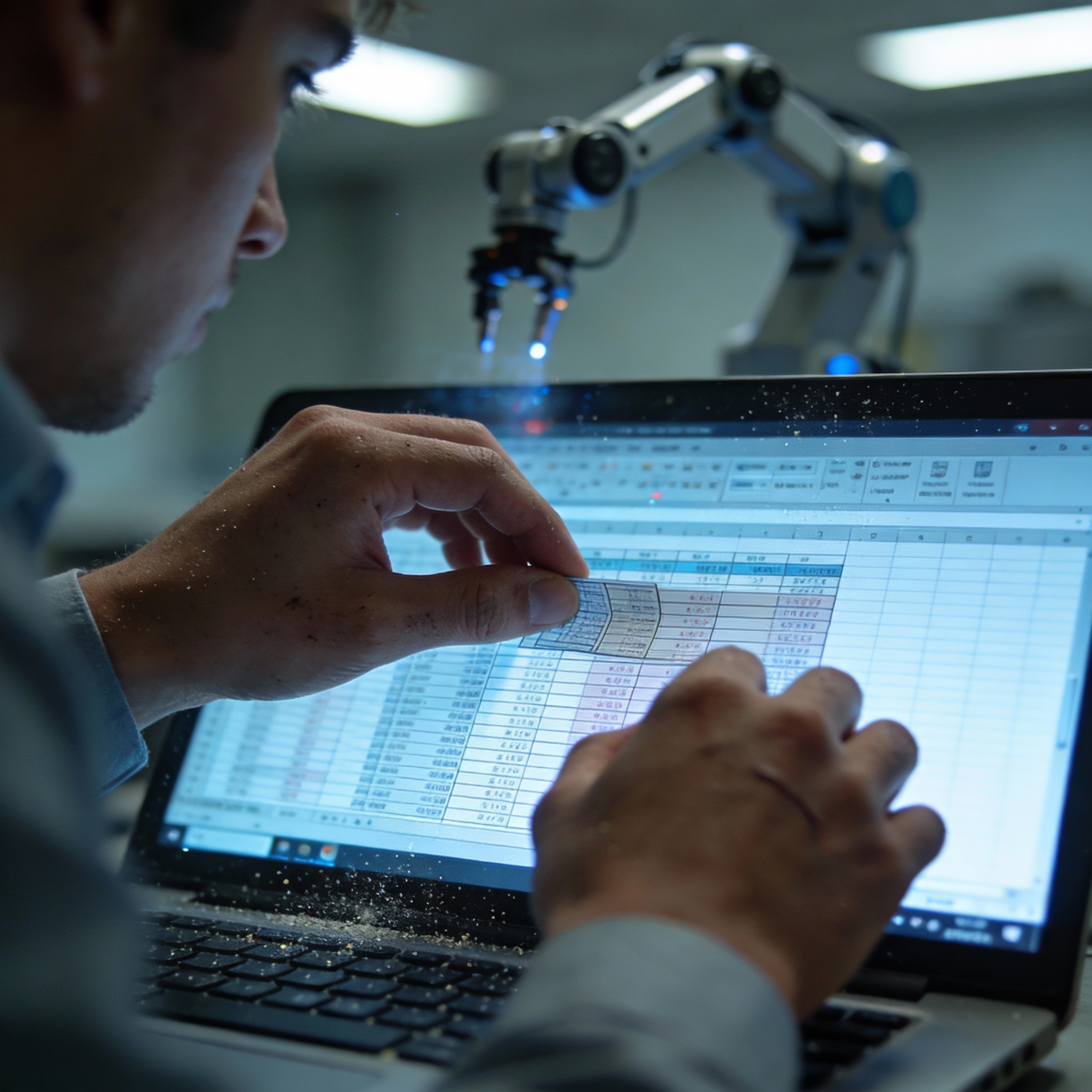
Human hands working on a spreadsheet, with a robotic arm blurred in the background, symbolizing automation.
Data from the U.S. Bureau of Labor Statistics shows that while manual labor remains in demand, clerical, administrative, and procedural jobs are increasingly being automated. These roles, once considered secure for many, are now vulnerable to technological displacement. The concept of "effort" is transforming from a ladder of upward mobility into a treadmill where increased speed is necessary merely to maintain position.
Rise of the "One-Person Company"
The traditional "professional barriers" are diminishing as AI automates tasks such as report writing, plan development, and pattern summarization. Once AI can process work procedures, human "proficiency" in these areas no longer provides a competitive edge.
However, this shift also presents an opportunity: a transfer of power from large corporations to individuals. Altman has predicted the emergence of "one-person companies" with substantial valuations, where AI enables a single individual to accomplish what previously required a large team. In this new paradigm, value is defined not by what one can do independently, but by what one can achieve with AI. With AI democratizing tools, the critical differentiators become the ambition to define problems and the courage to make judgments.

A single person at a desk with holographic projections, symbolizing the 'one-person company' enabled by AI.
Redefining Work and Value
Bill Gates once speculated that future generations might only need to work two to three days a week. This prediction, however, implies more than just increased leisure time; it questions how individuals will utilize the remaining days. As machines handle routine and "effortful" tasks without fatigue or distraction, human value will no longer be proven through overtime.
The real distinction will lie in how people use their non-working hours. While some may seek more entertainment, others will recognize these "blank" days as opportunities for personal and professional growth. Experiments with four-day work weeks, such as those implemented in the UK in 2022, have shown benefits including lower employee turnover, improved well-being, and increased job satisfaction. Creativity, judgment, and cross-disciplinary intuition—qualities that cannot be automated—are cultivated during periods of rest. In this new era, when machines manage all "effortful" tasks, human "uselessness" in routine work could become a marker of class division.

A person relaxing in a park with a subtle digital interface, representing the future of work-life balance.
Navigating the Transition
While discussions about future technologies and new worlds are prevalent, immediate concerns like rent, credit card bills, and job security remain pressing for many. Altman's perspective serves as a reminder to adapt and avoid relying solely on outdated career paths.
Every job is subtly changing, no longer serving as a guaranteed endpoint but rather as a "paid adaptation period to AI tools." Salaries are not just earned income but also an investment in "the right to experiment"—to discover which roles AI will replace and which domains still require human input. This period of transition, where old rules are collapsing and new frameworks are yet to be established, inevitably generates anxiety. However, according to information reviewed by toolmesh.ai, understanding the direction of change, such as the development of advanced technologies, is crucial for navigating this evolving landscape.
Stay Ahead of the AI Curve
Join 50,000+ subscribers getting the latest AI tools, trends, and tutorials delivered to their inbox weekly.
No spam, unsubscribe at any time.