
OpenAI Research VP Jerry Tworek Resigns, Citing Inability to Pursue Desired Research
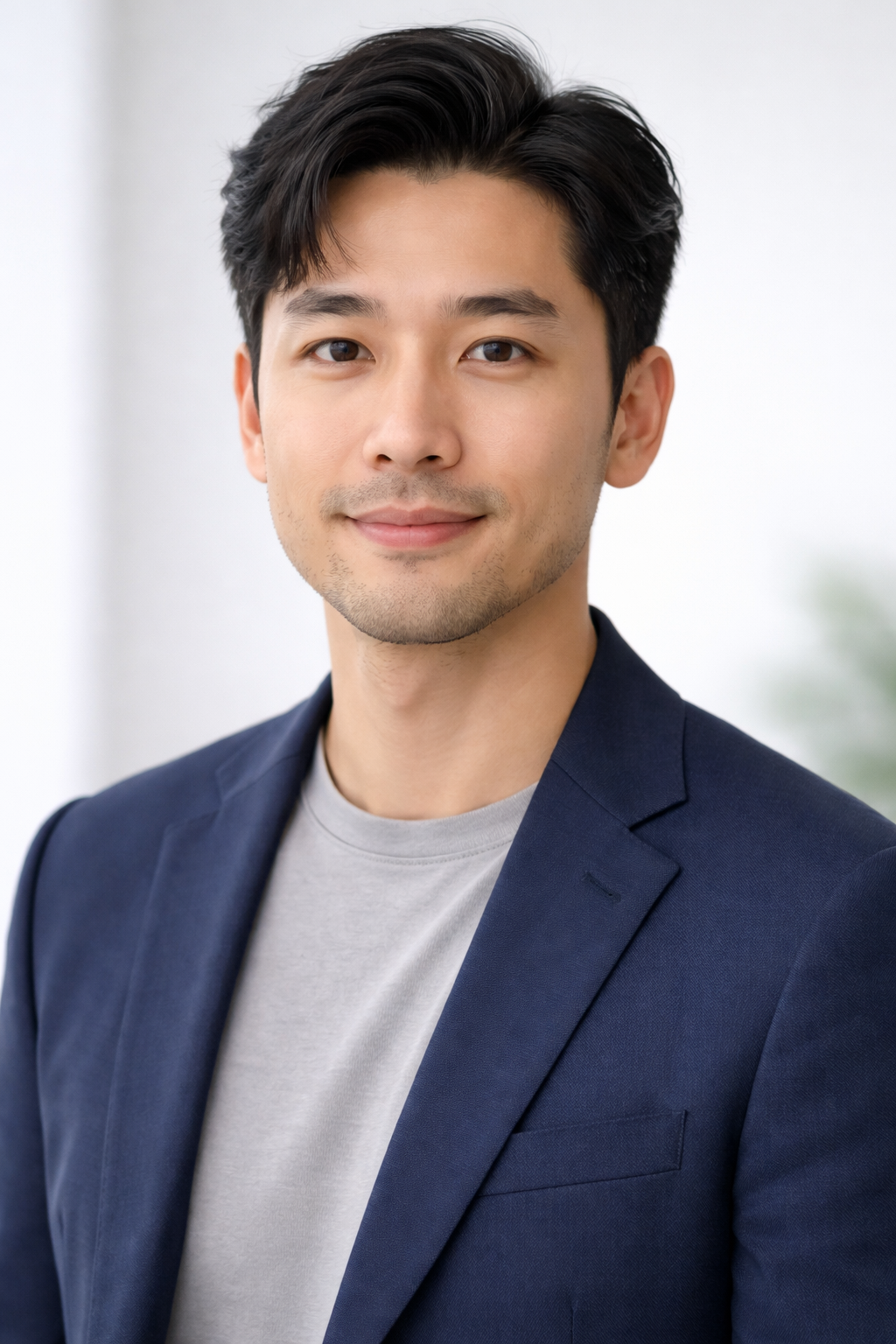

Jerry Tworek, OpenAI's Vice President of Research, has resigned after seven years with the company, stating a desire to pursue research not feasible within OpenAI. His departure follows a series of high-profile exits from the artificial intelligence firm.
Tworek was a key figure in OpenAI's technical development. He led the o1 project, known as the "Father of Reasoning Models," and was a core researcher for the Codex model, which enabled ChatGPT to generate code. He also contributed to GPT-4's programming capabilities and was involved in the development of GPT-5 and the ChatGPT Agent for 2025. His work included co-authoring papers on AI's ability to solve mathematical problems, and his research on code generation and Reinforcement Learning from Human Feedback (RLHF) has been highly cited.

Abstract visualization of complex AI reasoning models and neural networks.
Having joined OpenAI less than a decade ago, Tworek witnessed its evolution from a non-profit research institution to a commercial entity. His resignation, announced in an internal memo, cited a desire to "explore types of research that are difficult to pursue within OpenAI."
Departures of Key Personnel
Tworek's exit is part of a trend of senior staff leaving OpenAI. Notable departures include:
Dario Amodei: Former OpenAI VP of Research, who left in 2021 to co-found Anthropic, developer of the Claude AI model.
Ilya Sutskever: OpenAI co-founder and chief scientist, who departed after an internal leadership dispute in late 2023.
John Schulman: A reinforcement learning expert and core technical contributor to ChatGPT, who left last year.
Jan Leike: Head of the Superalignment team, who resigned due to disagreements over safety protocols.
These exits also include various vice presidents across product, policy, and safety departments.

Abstract depiction of talent leaving a high-tech company, symbolizing 'brain drain'.
Commercialization and Safety Concerns
Industry observers suggest that OpenAI's increasing commercialization may be a factor in these departures. Initially founded as a non-profit focused on ensuring AI benefits humanity, the company has shifted towards product launches and commercial returns following the success of ChatGPT and substantial investment from Microsoft. This shift has reportedly altered the research environment, prioritizing rapid development and product features over more deliberate, long-term research.
Safety concerns have also been cited. Jan Leike publicly stated that OpenAI had deprioritized safety, creating a conflict for researchers focused on preventing AI harm. Tworek's stated reason for leaving echoes this sentiment, implying a divergence between his research interests and the company's current direction.

Two diverging paths symbolizing commercialization versus long-term research in AI.
Leadership and Competition
Sam Altman, OpenAI's CEO, has consolidated power following the internal leadership dispute in late 2023. However, this has coincided with the departure of key figures who either opposed him or held differing ideological views.
Meanwhile, OpenAI faces growing competition. Anthropic continues to attract former OpenAI talent, with its Claude model competing in programming tasks. Google's Gemini is advancing in multimodal AI, while Meta, xAI, and various open-source initiatives are also developing rapidly.

Abstract visualization of multiple AI companies competing in a dynamic digital space.
Despite the departures, OpenAI continues to attract new talent. Sharif Shameem, founder of Lexica, recently joined the company, expressing a belief that the current era is a historical turning point for human-machine symbiosis.
OpenAI's current state is characterized by this contrast: veteran researchers are leaving, citing limitations on their work, while new talent is joining, driven by the potential for innovation. The company continues to lead in AI models like GPT, maintains a strong alliance with Microsoft, and has a growing user base and revenue. However, it also grapples with ongoing talent attrition, unresolved safety concerns, and the perceived over-commercialization of its research. The sustained departure of core technical personnel, particularly those citing an inability to pursue desired research, is seen by some as a critical indicator for the company's future.
Stay Ahead of the AI Curve
Join 50,000+ subscribers getting the latest AI tools, trends, and tutorials delivered to their inbox weekly.
No spam, unsubscribe at any time.