
Mobvoi Unveils AI-Native Collaboration Platform and Hardware Ecosystem at CES 2026


At CES 2026, Mobvoi introduced an AI-native file collaboration platform, TicNote Cloud, alongside new hardware, the TicNote Pods and TicNote Watch. The company positioned these releases as a shift towards AI integration into team workflows, moving beyond individual AI assistants to AI as a collaborative team member.
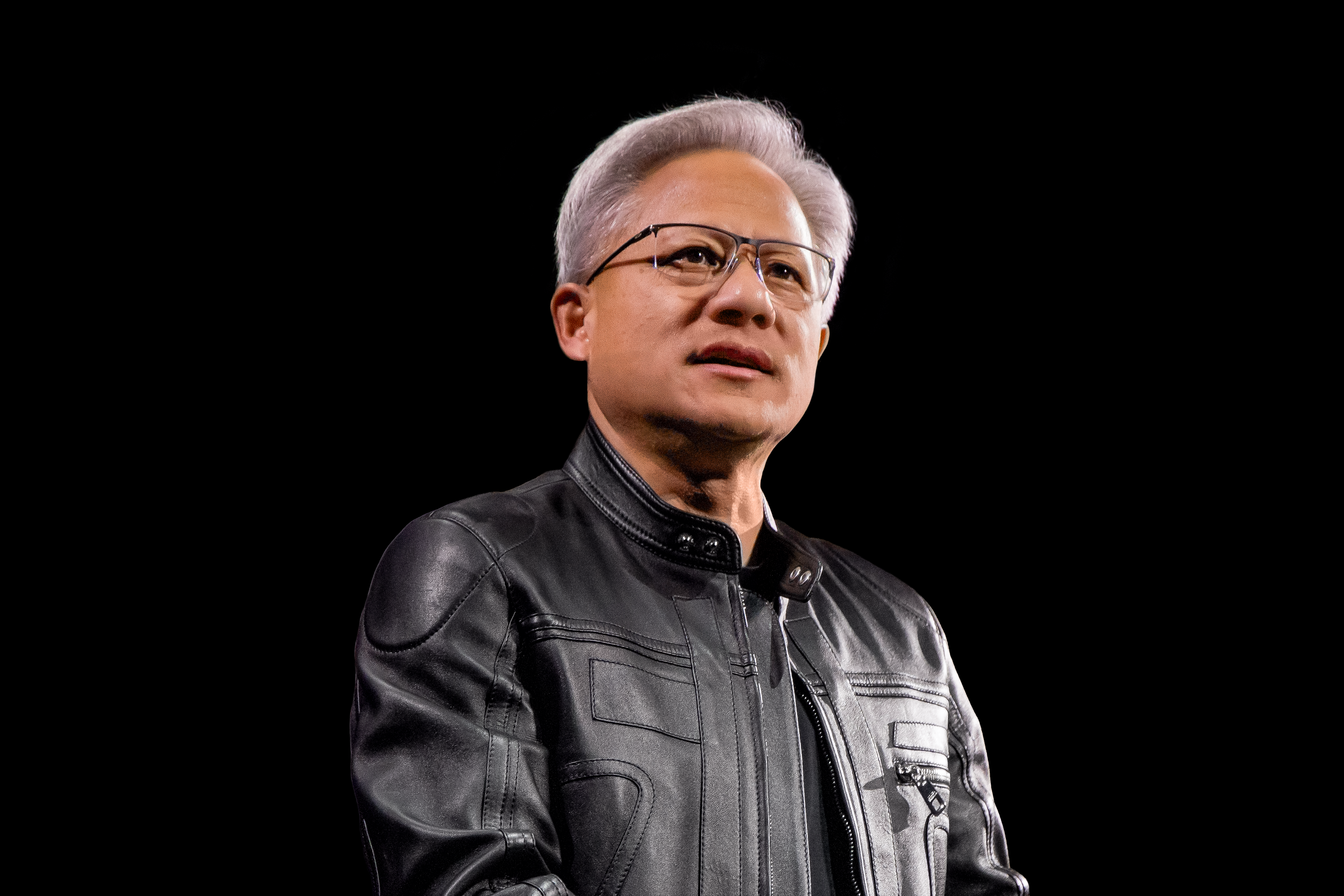
Jensen Huang, CEO of NVIDIA, presenting on stage at a technology conference.
Jensen Huang and Lisa Su also presented new AI advancements at the event. Huang showcased the Rubin platform, which he stated would increase computing power fivefold, while Su projected a thousandfold increase in computing power within four years with her AI product suite.
AI Integration in Team Workflows
Mobvoi's new offerings are designed to integrate AI into collaborative processes. TicNote Cloud, powered by Shadow AI 2.0, aims to enable seamless interaction between human teams and AI agents within a shared context. The platform centralizes project management, allowing multiple users and intelligent agents to advance projects collaboratively. This includes an end-to-end workflow from recording and transcription to summarization and file collaboration.

Diverse team interacting with holographic AI agents and digital documents on a smart table.
The company highlighted that traditional productivity tools have focused on human-to-human collaboration, evolving from electronic document sharing to cloud-based real-time editing. The recent stage involved individual AI assistants, where AI acted as a personal tool. Mobvoi's new approach, termed "Collaboration 4.0," seeks to integrate AI directly into team collaboration chains, allowing AI to share team context and participate in task execution.
TicNote Cloud and Shadow AI 2.0
TicNote Cloud features a project bar for managing recordings and AI outputs, a workbench for editing, and a "Shadow" interface for interacting with AI agents. This setup allows agents to reason, create, and edit files directly within the workspace.
Shadow AI 2.0, an upgrade from its predecessor, can perform file-level operations, project awareness, and proactive collaboration. Unlike traditional AI tools that rely on chat history for context, TicNote Cloud converts every interaction result into a file, such as meeting minutes or to-do lists, which are stored within the project. These "living documents" form a shared context for the team and the AI agent, allowing for continuous updates and preventing information silos. Shadow AI 2.0 can edit and batch-process files, generate multilingual briefings, update project lists, and create summaries or action lists. It also supports various file types, including media, documents, code, and data.

Close-up of the TicNote Cloud interface showing project management and AI agent interaction.
New Hardware: TicNote Pods and TicNote Watch
Mobvoi also unveiled new hardware designed to feed data into the TicNote ecosystem:

TicNote Pods earbuds and TicNote Watch smartwatch displayed side-by-side.
TicNote Pods: Described as the world's first 4G AI recording earbuds, these earbuds feature dual recording channels and a built-in 4G eSIM, allowing them to operate independently of a mobile phone. They support real-time transcription and translation in over 100 languages, and their Shadow AI can transform long recordings into knowledge reports.
TicNote Watch: This AI recording smartwatch includes a dual-microphone design for recording at distances of 3-5 meters. It offers one-button recording, built-in Shadow AI, and real-time translation. A notable feature is the "AI Diary," which provides intelligent life recording and analysis by integrating data from meetings, exercise, and sleep.
Impact on Workflows and Organizational Structure
Mobvoi suggested that the TicNote ecosystem could transform various professional scenarios. For consulting firms, it could automate the organization of meeting minutes, allowing consultants to focus on core creative tasks. For multinational teams, the system's multilingual capabilities and synchronized chat history could reduce communication barriers and facilitate seamless task handovers across time zones. In academic research, TicNote Cloud could centralize literature, experimental records, and discussions, with Shadow AI assisting in analysis and citation.
Li Zhifei, Mobvoi's CEO, stated that the company aims to evolve recording hardware into "AI-native workflow entry points," enabling AI agents to participate in knowledge production. He emphasized that the new releases represent a shift from passive recording to real-time understanding, content structuring, and collaborative execution.

Li Zhifei, CEO of Mobvoi, delivering a presentation.
Mobvoi founder Li Zhifei and Gao Jia, an architect of AI-native organization theory, also presented an organizational framework titled "Super Organization: The Evolution of AI-Native Enterprises" at CES. This framework posits that as AI moves beyond being a mere tool to participating in collaboration with context and action capabilities, organizational structures will undergo a fundamental evolution. The TicNote Cloud and its integrated product ecosystem are presented as practical examples of this organizational thinking, where AI becomes a "digital colleague" within teams.
Industry forecasts indicate a growing role for AI agents. Gartner predicts that by 2026, 40% of enterprise applications will incorporate task-specific AI agents. McKinsey's survey suggests that 57% of enterprises have deployed AI agents in production environments by 2025. The AI agent market is projected to grow from $7.8 billion in 2025 to over $52 billion by 2030, with a compound annual growth rate of 43.3%.
Stay Ahead of the AI Curve
Join 50,000+ subscribers getting the latest AI tools, trends, and tutorials delivered to their inbox weekly.
No spam, unsubscribe at any time.