
Meta Develops "Mango" and "Avocado" AI Models Amid Internal Turmoil

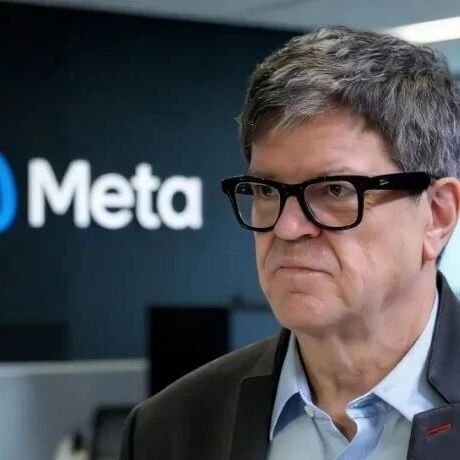
Meta is developing new artificial intelligence models, codenamed "Mango" for image and video generation and "Avocado" for large language processing, according to internal sources. These models are anticipated for a 2026 release, signaling a strategic shift beyond the current Llama series.
The initiative follows a period of significant investment and reorganization within Meta's AI division, including the formation of the Meta Superintelligence Lab (MSL). Mark Zuckerberg, Meta's CEO, has emphasized an aggressive approach to secure the company's position in the AI sector.
New AI Models Emerge
Mango and Avocado represent the initial major projects from MSL. Alexandr Wang, founder of Scale AI and a key figure in Meta's AI strategy, discussed these models internally with Chief Product Officer Chris Cox, highlighting their importance for Meta's competitive standing.
Wang, 28, was recruited by Zuckerberg along with over 20 researchers from OpenAI to build the MSL team. Avocado is specifically designed to enhance advanced code generation capabilities, an area where Meta's previous models reportedly lagged behind competitors. The company aims for Avocado to match Google's Gemini 2.5 performance at launch and Gemini 3 by summer.
These developments follow reported setbacks with the Llama 4 model, which internal sources indicated performed below expectations and faced delays. Issues cited included insufficient training data, inadequate testing, and organizational fragmentation.
Meta is also exploring "world models," which aim to understand physical reality through visual information, potentially advancing Artificial General Intelligence (AGI). This initiative continues despite the impending departure of Yann LeCun, a Turing Award winner and Meta's Chief AI Scientist, who has long worked on world models.
Leadership Discontent and Departures
Alexandr Wang has reportedly expressed dissatisfaction with Zuckerberg's management style, describing it as "micromanaging to a suffocating degree." Wang's frustration stems from Zuckerberg's detailed involvement in AI projects, which he believes stifles innovation.
Wang's arrival at Meta, following the company's acquisition of a 49% stake in Scale AI for over $14 billion, was intended to spearhead Meta's AI reboot. However, his tenure has reportedly been marked by internal friction. Some Meta employees have questioned Wang's qualifications for his role, citing his background in AI data services rather than managing large-scale technical teams or driving AI model breakthroughs.
The period has also seen a series of high-profile departures from Meta. Jennifer Newstead, Meta's Chief Legal Officer, moved to Apple. John Hegeman, Chief Revenue Officer, announced his resignation to start his own business. Joelle Pineau, VP of Research, left after nearly eight years, and Dan Neary, Head of Asia-Pacific and VP, departed after over a decade. Kate Hamill, General Manager of North America Retail and E-commerce, moved to Pinterest.
Yann LeCun's departure is particularly notable. Sources indicate his unhappiness about reporting to Wang and the impact of Meta's organizational adjustments and budget cuts on his long-term research projects, which he felt were being deprioritized in favor of short-term commercial AI products. Additionally, Clara Shih, Meta's Head of Business AI and a former Salesforce executive, left less than a year after joining.
Significant AI Investment and Future Outlook
Meta's capital expenditure for 2025 is projected to reach at least $70 billion, a substantial increase from the previous year's $39 billion. This investment supports the development of "personal superintelligence" and competition with companies like OpenAI and Google. Meta is utilizing corporate bonds and private creditors to finance new data centers and chips.
In late October 2025, Meta issued a $30 billion corporate bond, one of the largest in U.S. history, specifically for data centers, chips, and supercomputing clusters. Zuckerberg has indicated plans to invest potentially over $100 billion in AI next year, emphasizing that moving too slowly poses a greater risk than overspending.
Despite these investments, Meta's future AI business model remains unclear, with questions about open-source versus closed-source approaches, advertising integration, or companionship services. Katie Harbath, a former Meta Public Policy Director, suggested that Meta needs a leader to bridge AI development with advertising monetization to secure its AI future.
Meta also faces scrutiny regarding its AI policies. In August 2025, an internal policy document was exposed, allowing AI chatbots to interact with minors on emotional topics and provide potentially false medical information. David Evan Harris, a former research lead for Meta's responsible AI team, called this decision "one of the most irresponsible."
Stay Ahead of the AI Curve
Join 50,000+ subscribers getting the latest AI tools, trends, and tutorials delivered to their inbox weekly.
No spam, unsubscribe at any time.