
LeCun Alleges Llama 4 Benchmarking Fraud, Criticizes Former Meta AI Leader
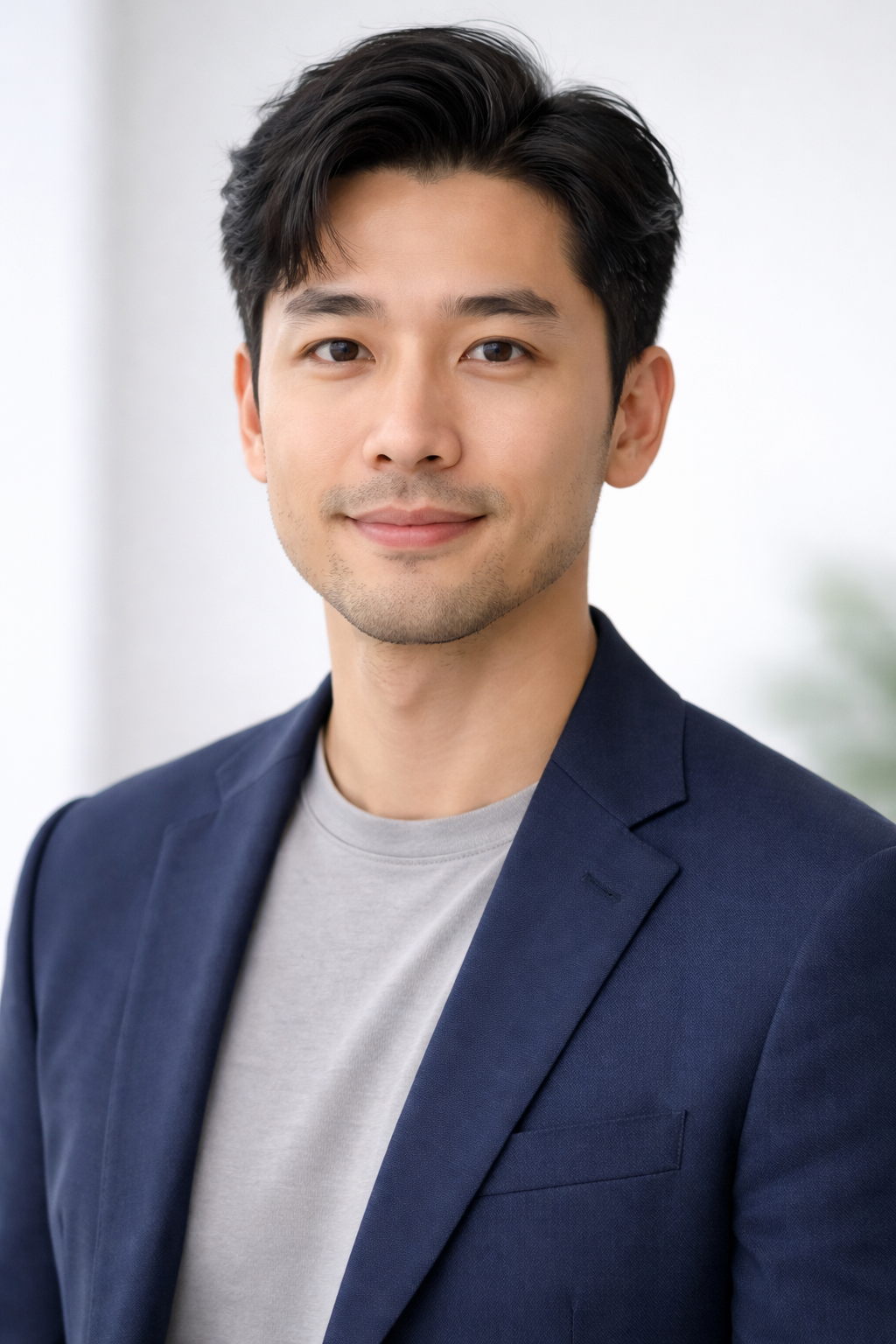

Yann LeCun, a Turing Award laureate and former chief AI scientist at Meta, has publicly confirmed allegations of Llama 4 benchmarking irregularities and criticized his former boss, Alexandr Wang, for lacking research experience. LeCun also announced plans for his new company to release a "world model" this year.
LeCun's remarks, made after his departure from Meta, included claims that Llama 4 tests were "tampered with" and that different models were used on various benchmarks to achieve more favorable results. He further stated that Alexandr Wang, whom Meta brought in to lead its "Superintelligence Lab," "has no research experience and doesn't know how to do research."
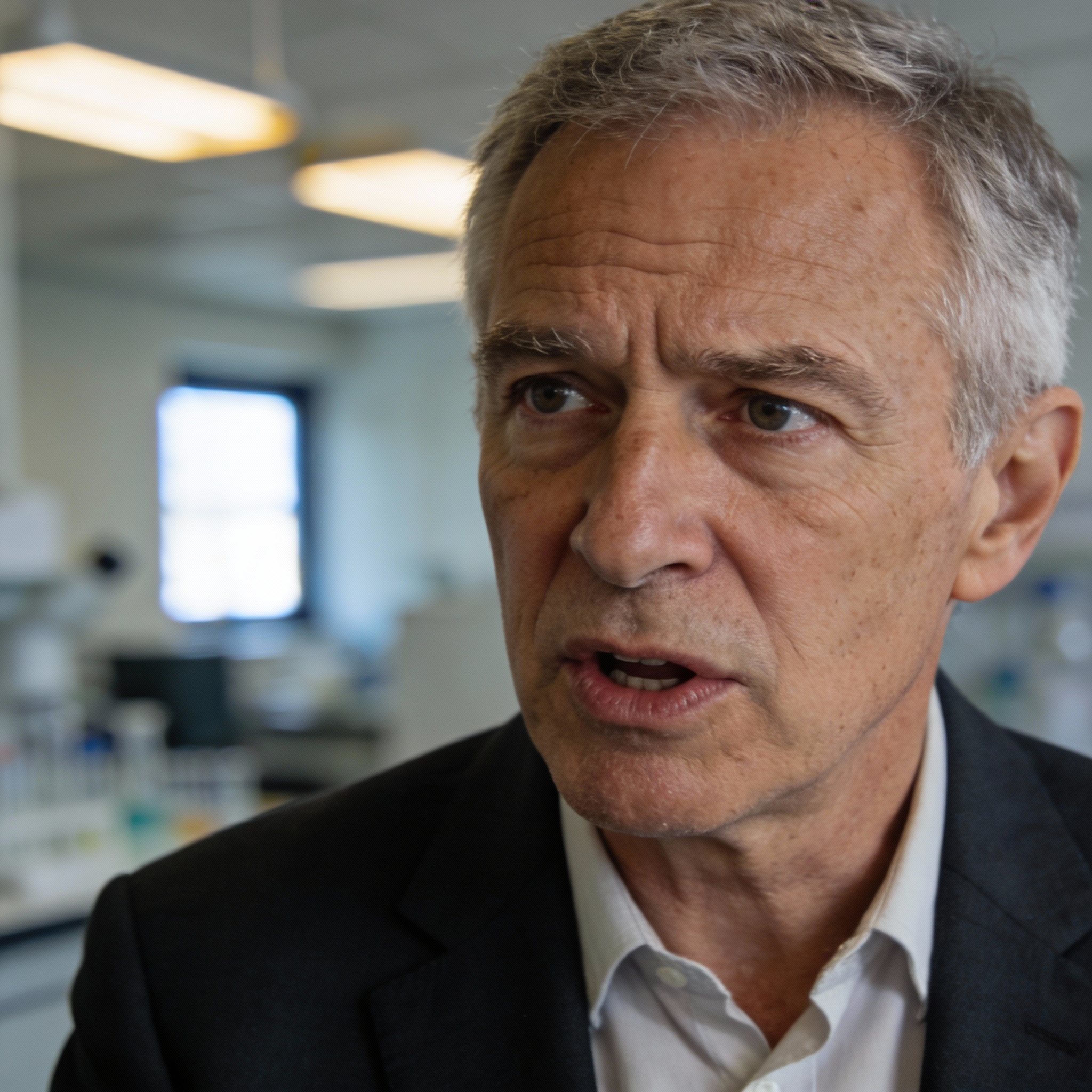
Candid portrait of a distinguished male scientist, mid-discussion, with a critical expression.
Criticism of Meta's AI Strategy and Leadership
LeCun characterized Meta's push for "superintelligence" as a result of being overly influenced by large language models (LLMs). He suggested that Wang's lack of understanding of research dynamics would lead to further departures from Meta AI.
Meta's investment in Scale AI and its recruitment of Wang to head the Superintelligence Lab followed a period where the company felt pressured to respond to advancements in generative AI. LeCun noted that Meta CEO Mark Zuckerberg became "very frustrated" after the Llama 4 issues in April 2025, leading to the marginalization of the Generative AI (GenAI) organization.
LeCun acknowledged that he was accustomed to working with younger colleagues but emphasized that Wang did not direct his research. He maintained that research cannot be dictated by organizational appointments, implying that experts should not be managed by those without relevant experience.

Two distinct pathways diverging on a reflective floor, symbolizing strategic choices and internal conflict.
The Llama 4 Controversy
The Llama 4 controversy, which surfaced in April 2025, involved accusations that Meta manipulated benchmark test results. LeCun's public confirmation detailed that the team "fudged" and "tampered" with some test results and used different models across benchmarks to enhance performance metrics. This incident reportedly eroded Zuckerberg's confidence in the original AI team and prompted the formation of the Superintelligence Lab with new talent.
This shift led to significant internal restructuring, creating friction between new and old teams, research and product divisions, and open-source versus commercial approaches, which LeCun indicated contributed to internal departures and layoffs.
LeCun's Stance on Large Language Models
LeCun expressed his fundamental disagreement with Meta's primary focus on LLMs, which he views as a "dead end" for achieving human-level intelligence. He argued that while LLMs have utility, they are inherently limited by language and do not address the need to understand the physical world.
He stated that many at Meta, including Wang, did not want him to publicly declare LLMs as a dead end for superintelligence. LeCun affirmed his refusal to compromise on this scientific conviction, asserting that his professional integrity as a scientist would not allow it. He suggested that his outspoken views made his continued presence at Meta "politically" difficult, leading to his departure to pursue his research interests elsewhere.
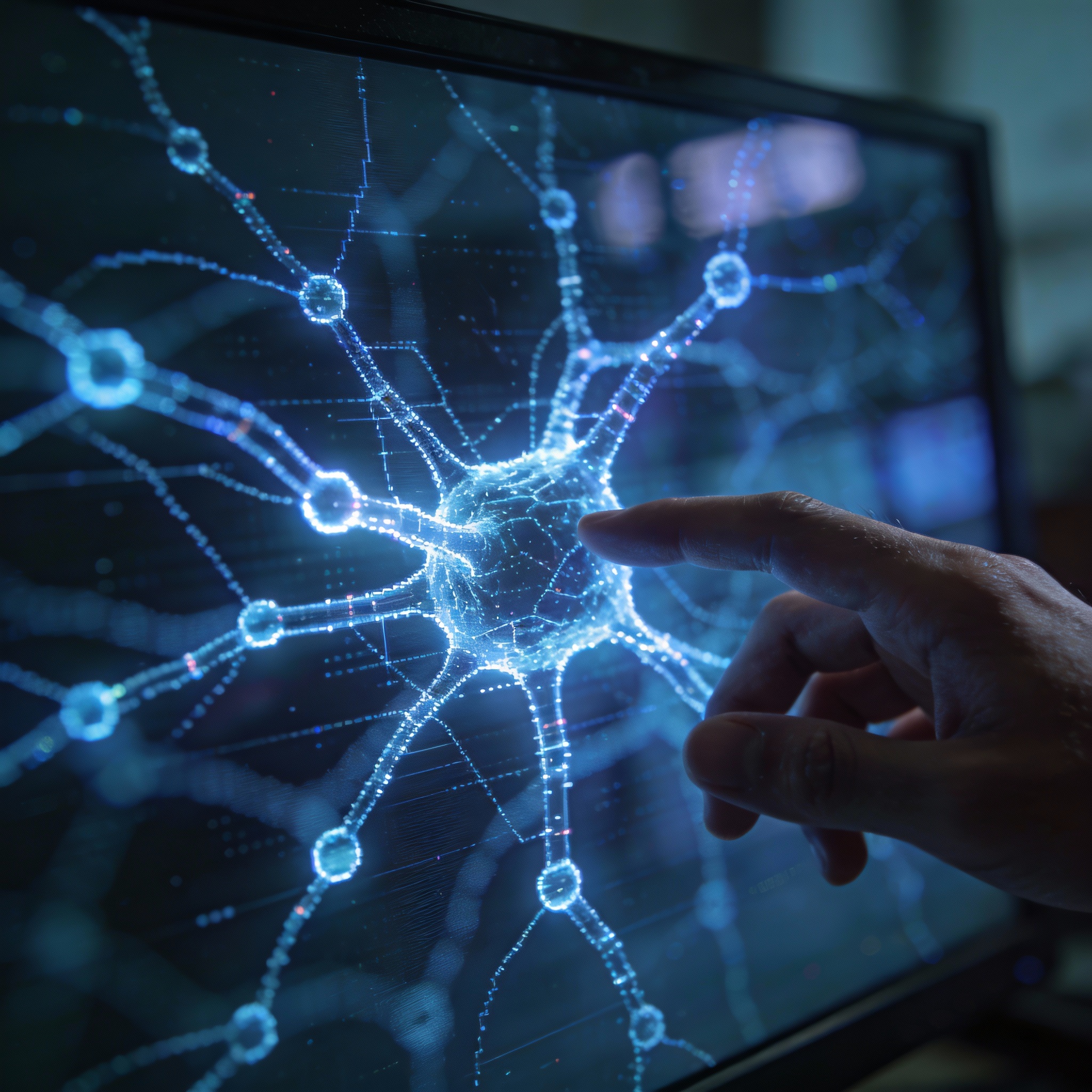
Close-up of a complex neural network visualization on a monitor, with a hand gesturing towards it.
Introduction of AMI Labs and World Models
LeCun's new company, Advanced Machine Intelligence Labs (AMI Labs), is focused on developing "world models" to achieve Artificial General Intelligence (AGI). He described the V-JEPA world model as a system that allows AI to build a coarse-grained simulator of the world, enabling it to understand objects, movement, and predict future events.
The JEPA approach, according to LeCun, avoids the need to restore every pixel or word, instead compressing the world into representations and predicting masked parts from visible context. V-JEPA extends this concept to video, allowing models to learn "laws of motion" by predicting masked spatio-temporal blocks. The V-JEPA 2 roadmap includes large-scale self-supervised pre-training using extensive video data, followed by learning how actions change the world through robot interactions.
AMI Labs aims to address key challenges in building world models, including long-term prediction, handling uncertainty, and translating representations into actionable decisions. LeCun, who will serve as Executive Chairman of AMI Labs, based in Paris, indicated that a "baby-level" world model with initial physical intuition is expected within 12 months, with larger-scale implementations in a few years.
LeCun's Career and Vision
Born in 1960, LeCun's interest in AI stemmed from his childhood fascination with human intelligence. His "aha moment" in the 1980s led him to believe that intelligence is primarily about learning, a view that diverged from Chomsky's theory of innate language abilities. He collaborated with Geoffrey Hinton and Yoshua Bengio, with whom he later shared the Turing Award for their foundational work in deep learning.
LeCun's contributions include the development of convolutional neural networks at AT&T Bell Labs, which were used in systems for check recognition. He later joined Facebook in 2013, establishing Facebook Artificial Intelligence Research (FAIR) under conditions that allowed him to retain his NYU position, avoid relocation, and ensure public release of research.
LeCun expressed his hope to contribute more intelligence to the world, stating, "We suffer from stupidity."
Stay Ahead of the AI Curve
Join 50,000+ subscribers getting the latest AI tools, trends, and tutorials delivered to their inbox weekly.
No spam, unsubscribe at any time.