
Kling AI Updates Video Models With Timbre Control and Extended Motion Capabilities

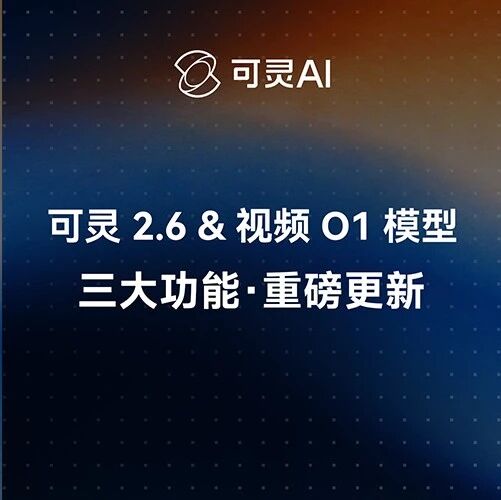
Kling AI released a series of updates between December 15 and December 17, introducing new audio and motion control features to its version 2.6 model while expanding configuration options for its Video O1 architecture. According to details reviewed by toolmesh.ai, the upgrades focus on improving consistency in character voiceovers, extending the duration of complex action sequences, and offering greater flexibility in video resolution.
Audio Consistency and Character Binding
The Kling Video 2.6 model has integrated a "Timbre Control" feature designed to address stability issues in generative audio. Building on existing simultaneous audio-video generation capabilities, this update allows users to maintain consistent voice profiles throughout a video.
The system utilizes a prompt-based command structure, where users can tag specific characters with a designated voice ID (e.g., "Character @TimbreName"). The model identifies the character and binds the selected voice line to them, enabling multi-character dialogue where each figure retains a distinct, stable voice. This functionality targets applications such as virtual avatars, product narration, and complex storytelling that requires continuity across different scenes.
Enhanced Motion and Duration
Kling AI also deployed a "Motion Control" update for the 2.6 model, aimed at handling high-complexity movement. The upgraded system supports the generation of continuous action sequences lasting up to 30 seconds without the need to split the footage into smaller segments.
The company states that the model can now process intricate physical activities, including martial arts sparring, sports competitions, and dance routines. Technical improvements reportedly include better synchronization of full-body movements and more refined rendering of hand gestures and expressions during these longer, continuous takes.
Video O1 Model Adjustments
The Video O1 model received separate updates focused on generation flexibility. A new 720p mode has been introduced, providing a lightweight alternative to the standard 1080p output while retaining the model's core generation capabilities.
Additionally, the update modifies how the model handles narrative timing. Users can now define variable durations ranging from 3 to 10 seconds for first and last frame inputs. This change replaces previous fixed-duration limits, allowing for more customized control over the pacing of generated video narratives.
Stay Ahead of the AI Curve
Join 50,000+ subscribers getting the latest AI tools, trends, and tutorials delivered to their inbox weekly.
No spam, unsubscribe at any time.