
Keling 3.0 AI Video Models Aim to Redefine Creative Production Workflows

The Keling 3.0 series of AI video models has been released globally, introducing a suite of tools designed to streamline video creation and address challenges in consistency and commercial viability. The new models, including Keling Video 3.0, Keling Video 3.0 Omni, Keling Image 3.0, and Keling Image 3.0 Omni, form an integrated multimodal input and output system now accessible to Keling members.
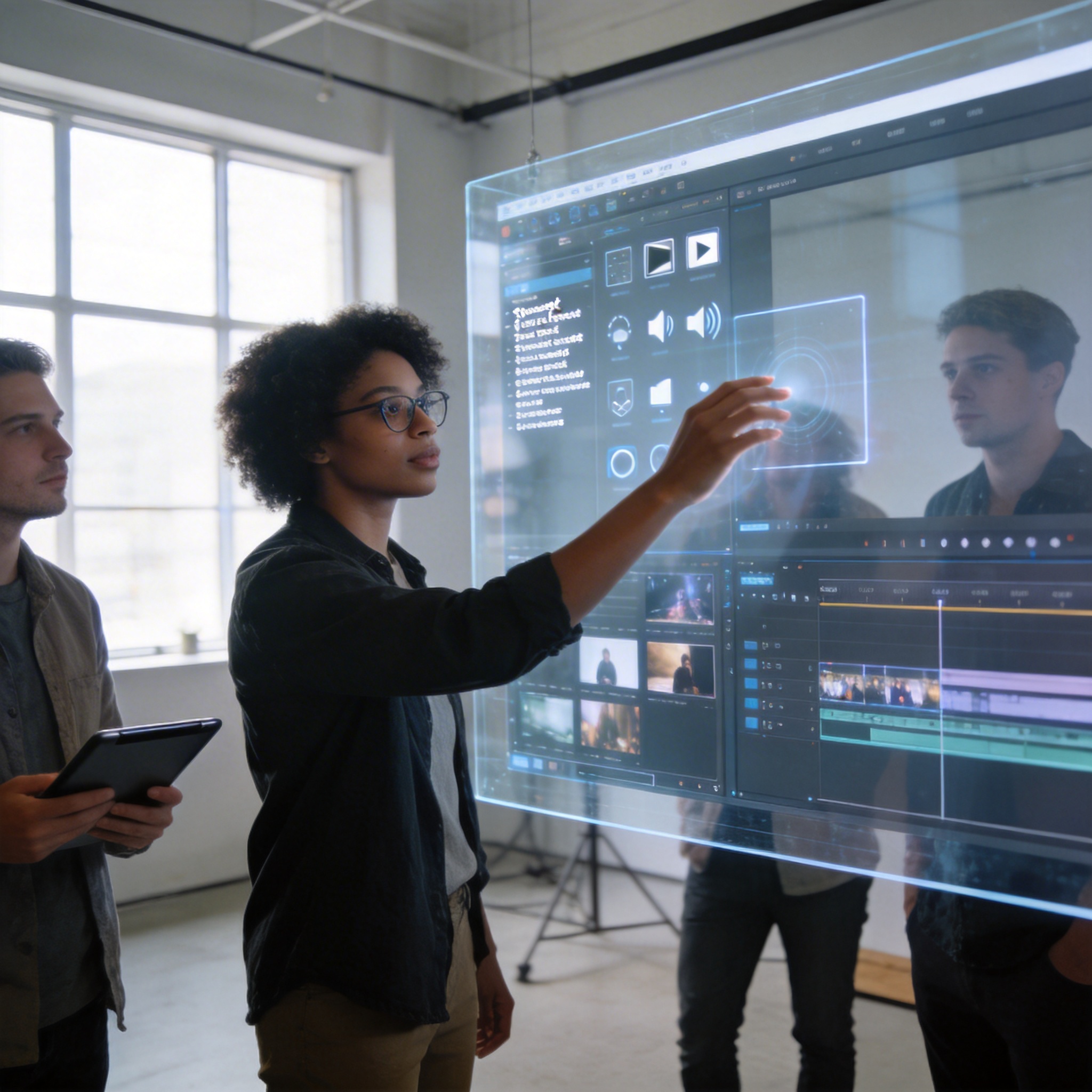
Creative team using a holographic interface to generate video content from multiple inputs.
This release aims to simplify AI video production by allowing creators to use text, images, audio, and video as inputs on a single platform to generate high-quality, synchronized content. The models are designed to produce realistic footage and move AI video technology beyond basic image generation to a stage of "understanding creation," according to information reviewed by toolmesh.ai.
Addressing Industry Challenges with Keling 3.0
Four AIGC creators from the gaming, advertising, and film and television industries—Bob Erhei, Jade Wu, Jean, and Uncle Xixi—conducted practical tests of Keling 3.0. Their evaluations focused on three key areas:
Subject Consistency: Can Keling 3.0's subject reference function reliably maintain character and product consistency across different shots, enabling the creation of reusable digital assets?
Dynamic Pre-visualization: Can the models generate coherent 15-second video clips with realistic physics to replace static storyboards and reduce early-stage production costs?
Audio-Visual Cohesion: Can Keling 3.0 produce videos with synchronized audio and visuals, intelligent shot division, and narrative capabilities akin to a director?
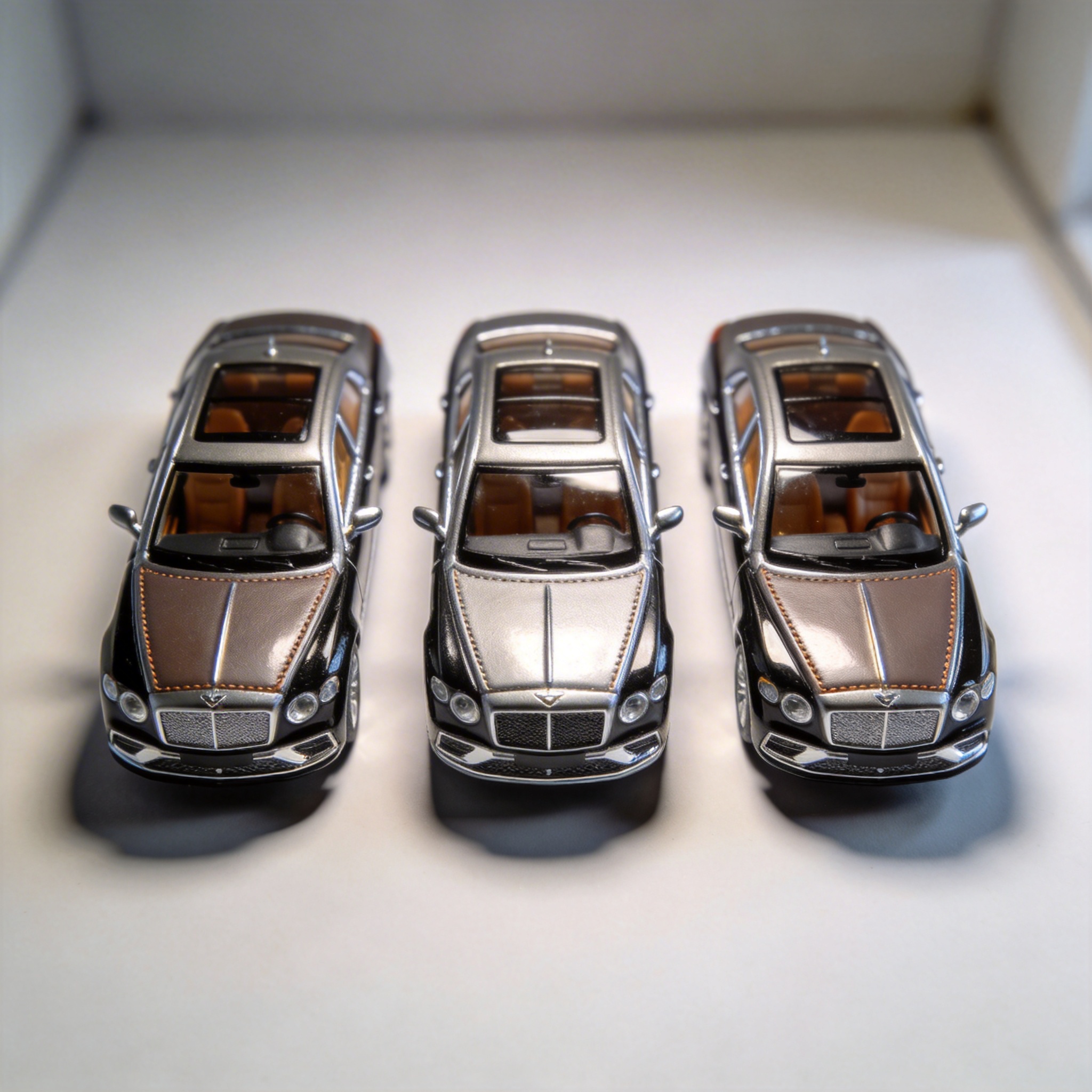
Three identical digital models of a luxury car, symbolizing consistency in AI-generated content.
Enhancing Consistency for Commercial Applications
A significant challenge in AI-generated content for professional production, particularly in advertising, has been the randomness that leads to issues like product deformation or inconsistent character appearances. This has hindered commercial deployment.
Senior advertising practitioner Bob Erhei noted that while AI can quickly produce early drafts, ensuring product consistency has been difficult. He tested Keling 3.0 with car advertisements, a high-stakes category. The model demonstrated high consistency in car structure and appearance across multiple shots and executed smooth transitions from exterior to interior based solely on text descriptions, without image or character breakdown.
Erhei also observed similar results with cosmetics, perfumes, and shoes, noting the model's stability in rotating displays and detailed subject reproduction. He concluded that Keling 3.0 could address consistency issues in complex commercial shoots and potentially replace some standardized CG animation effects, offering time and cost efficiencies.
For character consistency, Keling 3.0 allowed the same character to appear naturally in various scenes with controlled clothing changes, while maintaining consistent facial features. Erhei stated this capability extends to multi-character and pet shoots, enabling the pre-locking of brand spokespersons or models for rapid advertising demo generation.

Digital asset library interface showing character models, props, and sets, representing Keling 3.0's asset functions.
Keling 3.0's underlying model includes subject reference and asset library functions, supporting the integration of multiple image or video subjects. Uncle Xixi, a realistic short film creator, likened this to building a "digital crew," where creators can store designed characters, sets, and props. He emphasized that the Omni model's multimodal understanding, combined with the asset library, facilitates multi-shot, long-sequence narrative creation by ensuring consistency.
Reshaping Pre-visualization in Content Production
Traditional content production workflows, especially in large-scale game and film projects, often face difficulties in visualizing creative concepts early on. This typically involves expensive live-action tests or time-consuming manual mood board creation, leading to high trial-and-error costs.
Jade Wu, a 3A game digital art designer and independent game producer, evaluated Keling 3.0 for game development. He found that the model could generate 15-second dynamic shots with cinematic quality and realistic physical logic from a single image. Wu stated this "what you see is what you get" visual impact is superior to static images for project initiation reports and could save months of early CG production time and outsourcing costs.
The Keling 3.0 Omni model's ability to understand 3D grayscale structures allows it to apply textures and lighting while retaining geometric structure and perspective. Wu highlighted that this enables level designers to produce near-final quality demo videos independently, significantly improving collaboration between planning and art teams.
Jean, a film and television creator and directing student at Beijing Film Academy, tested Keling 3.0 for early film preparation. She focused on the model's ability to understand and achieve cinematic tone control, spatial construction, and emotional narration. Jean found that Keling 3.0 Omni could generate dynamic previews of complex scenes, such as in-car direction, allowing for clear communication of creative concepts to cinematography and art departments.
She noted that the generated videos could serve as dynamic references for lighting tests, art set quality, and initial color grading, effectively replacing the need for physical tests and abstract descriptions. Keling 3.0's native 15-second video generation and enhanced simulation of physical laws provide coherent dynamic pre-visualizations that can replace traditional static storyboards.

Director's chair in front of a screen showing a dynamic 15-second video clip, symbolizing advanced pre-visualization.
AI as a Creative Assistant with Director-like Capabilities
Previously, AI video tools primarily generated short dynamic images, often lacking inherent audio-visual logic and emotional depth. Keling 3.0 aims to move beyond this by understanding the underlying logic of audio-visual language.
Uncle Xixi observed that Keling 3.0's "AI actors" can perform actions, understand context and emotion in dialogue, and achieve synchronized voice, performance, and expression. He noted the model's ability to generate accurate dialects and tones and praised its scene direction for multi-character scenarios, where interactions appeared natural and coordinated.
Through Keling 3.0's custom shot division, Uncle Xixi generated fight scenes with different rhythms—a continuous one-shot and a multi-shot edited version—from a single input.
Jean focused on AI's capacity to construct space and narrate emotions through camera language. In her tests, Keling 3.0 Omni demonstrated aesthetic awareness in creating specific atmospheres and emotionally charged scenes. For instance, in a rearview mirror car interior scene, the model accurately captured narrative rhythm and visual emotion through light, shadow, and character performance, rather than mechanically presenting the action of driving.
Jean commented that Keling 3.0 Omni represents a new generation of creative tools that understand and simulate physical rules, light and shadow logic, and emotional rhythm. She believes this capability is becoming an indispensable component for creative teams working with budget and time constraints.
Keling 3.0's native audio-visual output and semantic understanding enable it to execute complex camera movement instructions and integrate matching dialogue and environmental sound effects, giving AI the potential to control shot division and narrative rhythm like a director.
The tests conducted by these industry professionals suggest that Keling 3.0 offers "hardcore delivery capability" in ensuring subject consistency, enabling efficient dynamic pre-visualization, and achieving cinematic narration and direction. This indicates AI is breaking down professional barriers in film, television, gaming, and advertising.

AI neural network integrated into a film director's viewfinder, symbolizing AI's creative and directorial capabilities.
Keling AI's commercial success supports this trend, with over 60 million global users and 600 million generated videos. More than 30,000 enterprises have integrated Keling via APIs, and its monthly revenue exceeded $20 million in December 2025, translating to an annual recurring revenue of $240 million. These figures suggest a growing adoption of AI in content creation, particularly in film, short dramas, and games, as AI technology advances into more complex long video production.
Stay Ahead of the AI Curve
Join 50,000+ subscribers getting the latest AI tools, trends, and tutorials delivered to their inbox weekly.
No spam, unsubscribe at any time.