
Benchmarks Show OpenAI’s GPT Image 1.5 Trailing Google’s Banana Pro in Accuracy

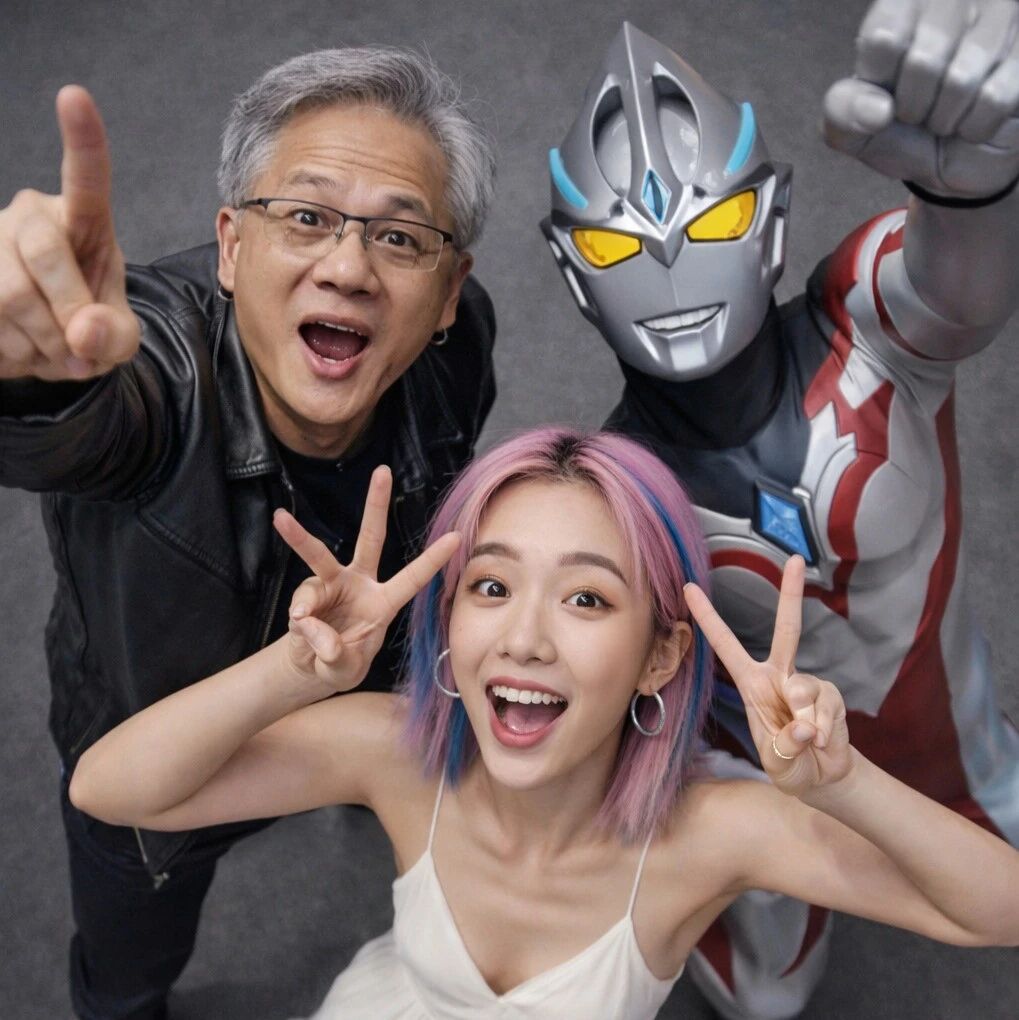
OpenAI has released GPT Image 1.5, an iterative update to its visual generation capabilities previously introduced with GPT-4o. The release comes as the company attempts to regain market momentum following the rapid advancement of Google’s competing architecture, Banana Pro. While the update brings interface enhancements and speed improvements, comparative testing indicates that the model struggles to match the technical precision and photorealism of its primary competitor.
Interface and Performance Updates
The deployment of GPT Image 1.5 introduces a redesigned user interface within ChatGPT, characterized by a distinct color scheme and dedicated style presets. Users can now access specific rendering modes, such as "Sugar Cookie" or "Plush Toy," and utilize shortcut commands designed for professional use cases like product photography and headshots.
According to performance metrics observed during testing, generation speeds have improved, with images typically rendering between 40 and 60 seconds. However, the workflow for referencing uploaded images remains fragmented, requiring users to navigate multiple pop-ups to execute style transfers.
Text Rendering and Data Precision
In assessments focusing on text adherence and information layout, Google’s Banana Pro demonstrated a significant lead. In a controlled test requiring the generation of a February 2026 calendar, GPT Image 1.5 failed to adhere to the requested numerical limit, generating dates beyond the standard month. Conversely, the Google model executed the grid and numbering precisely.
Similar disparities appeared in multilingual and complex layout tasks. When tasked with generating Chinese calligraphy and technical diagrams, the OpenAI model produced incoherent text and cluttered layouts. Banana Pro maintained higher character accuracy and structural logic, particularly in replicating user interface elements like Instagram feeds, although it exhibited minor consistency issues with character faces.
Photorealism and Visual Fidelity
Evaluations of image texture and lighting revealed distinct stylistic approaches between the two systems. Across multiple prompts—including portraits with specific lighting conditions, maritime snapshots, and backstage environments—GPT Image 1.5 consistently applied high saturation and contrast. This processing resulted in a synthetic, "AI-generated" aesthetic.
In contrast, Banana Pro rendered skin textures, environmental lighting, and material wear with greater naturalism. The Google model avoided the glossy finish often associated with synthetic media, producing results that more closely resembled candid photography.
Editing Capabilities and Logical Consistency
The update aimed to enhance precise editing capabilities, yet benchmark results were mixed. In tests involving subject replacement and environmental changes, Banana Pro displayed superior understanding of lighting physics and perspective. For instance, when replacing a figure in a conference setting, the Google model correctly adjusted for depth and scale, whereas GPT Image 1.5 failed to maintain proper spatial relationships.
World knowledge and logic tests yielded a draw. While GPT Image 1.5 produced more aesthetically pleasing compositions for pop-culture prompts, it introduced factual errors regarding character names. In a logic test involving specific object counts and clock times, OpenAI’s model correctly rendered the time but failed the finger count, while Banana Pro failed both elements.
Based on material reviewed by toolmesh.ai, while GPT Image 1.5 represents a step forward from its predecessor, the rapid evolution of Google’s Banana architecture currently offers a more robust solution for tasks requiring high fidelity and strict adherence to complex instructions.
Stay Ahead of the AI Curve
Join 50,000+ subscribers getting the latest AI tools, trends, and tutorials delivered to their inbox weekly.
No spam, unsubscribe at any time.