
Google's Gemini Integrates Deeply into Android, Offering Proactive AI Assistance for $19.99 Monthly

Google is embedding its Gemini AI directly into the Android operating system, transforming it into a proactive "system butler" that can manage user tasks and schedules. This service, available for $19.99 per month, leverages extensive user data to automate daily activities.
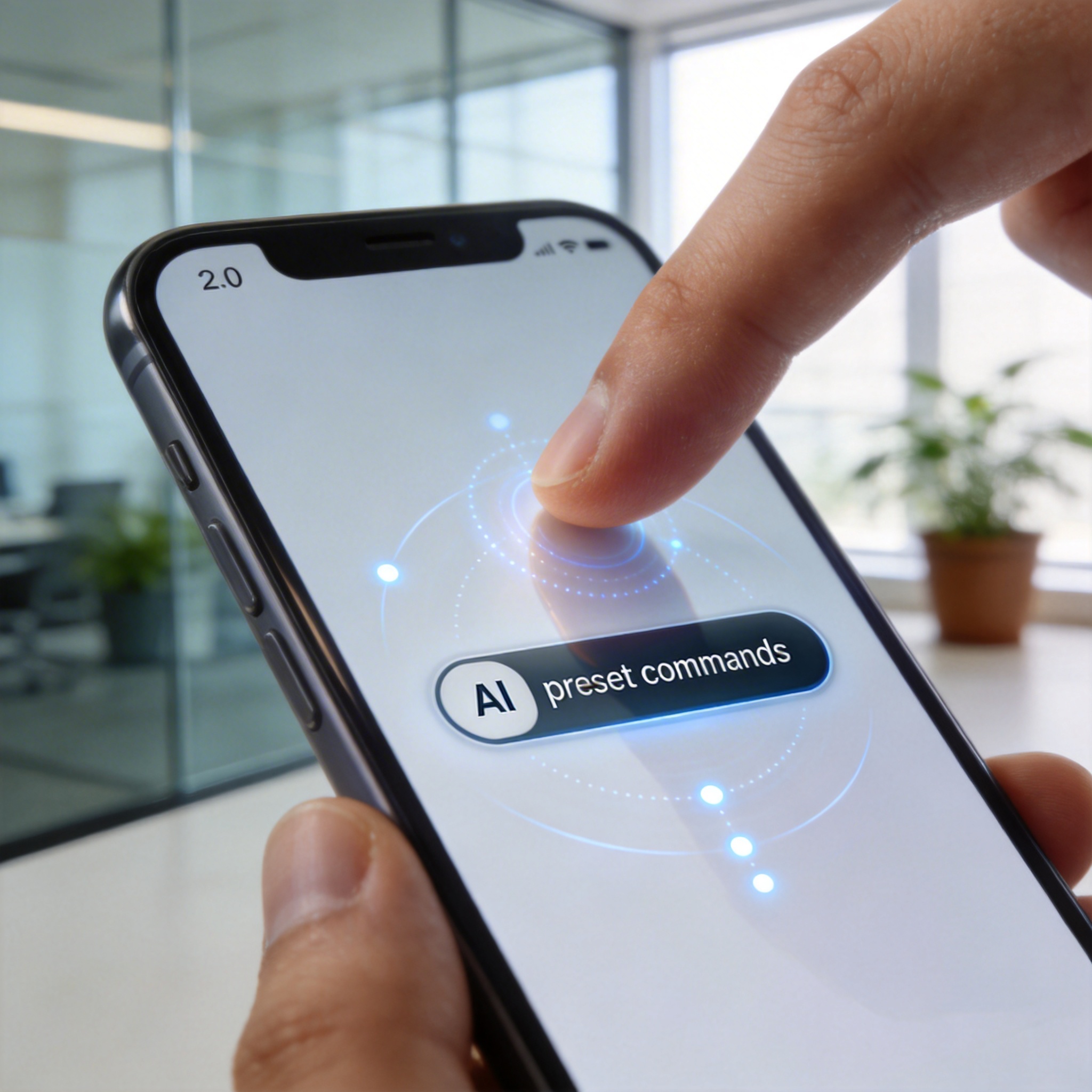
Smartphone screen showing 'preset commands' interface, replacing a traditional AI button, with a thumb poised to interact.
An Android update in February 2026 is expected to replace the traditional AI send button with "preset commands," shifting the interaction model from query-response to proactive execution. Gemini will reportedly supersede Google Assistant in 2026, making Android devices more AI-centric.
System Integration vs. Application Limitations
OpenAI's ChatGPT faces limitations due to the "sandbox" architecture of mobile operating systems, which restricts third-party app access. Tasks requiring system-level integration, such as adding a calendar event, involve multiple manual steps and app interactions.

Visual metaphor contrasting a 'sandbox' architecture with fragmented data versus a fluid, interconnected system, symbolizing integration.
In contrast, Gemini, as an integral part of Android, possesses high system permissions. It can directly invoke system commands and continuously monitor user data, including time, location, and application status. This allows it to automatically manage emails, compare schedules, and generate reorganization plans for conflicts. For example, if it detects low temperatures while a user is out, it can preemptively activate home heating. Gemini can also access Gmail, calendars, and cloud drives, enabling actions like booking a taxi or reordering food with a long-press of the power button, all while operating in the background.
While ChatGPT processes manually provided text, Gemini can analyze emails, business plans, and travel documents in the background. This inherent data advantage allows Gemini to present information and actions as push notifications on the lock screen, a more accessible interface given that users check their notification bars an average of 47 times daily, compared to less than five times for ChatGPT. Data indicates declining engagement with the ChatGPT app among U.S. users. Google aims to leverage its ecosystem of 3 billion Android devices to gain a competitive edge over app-based AI solutions.
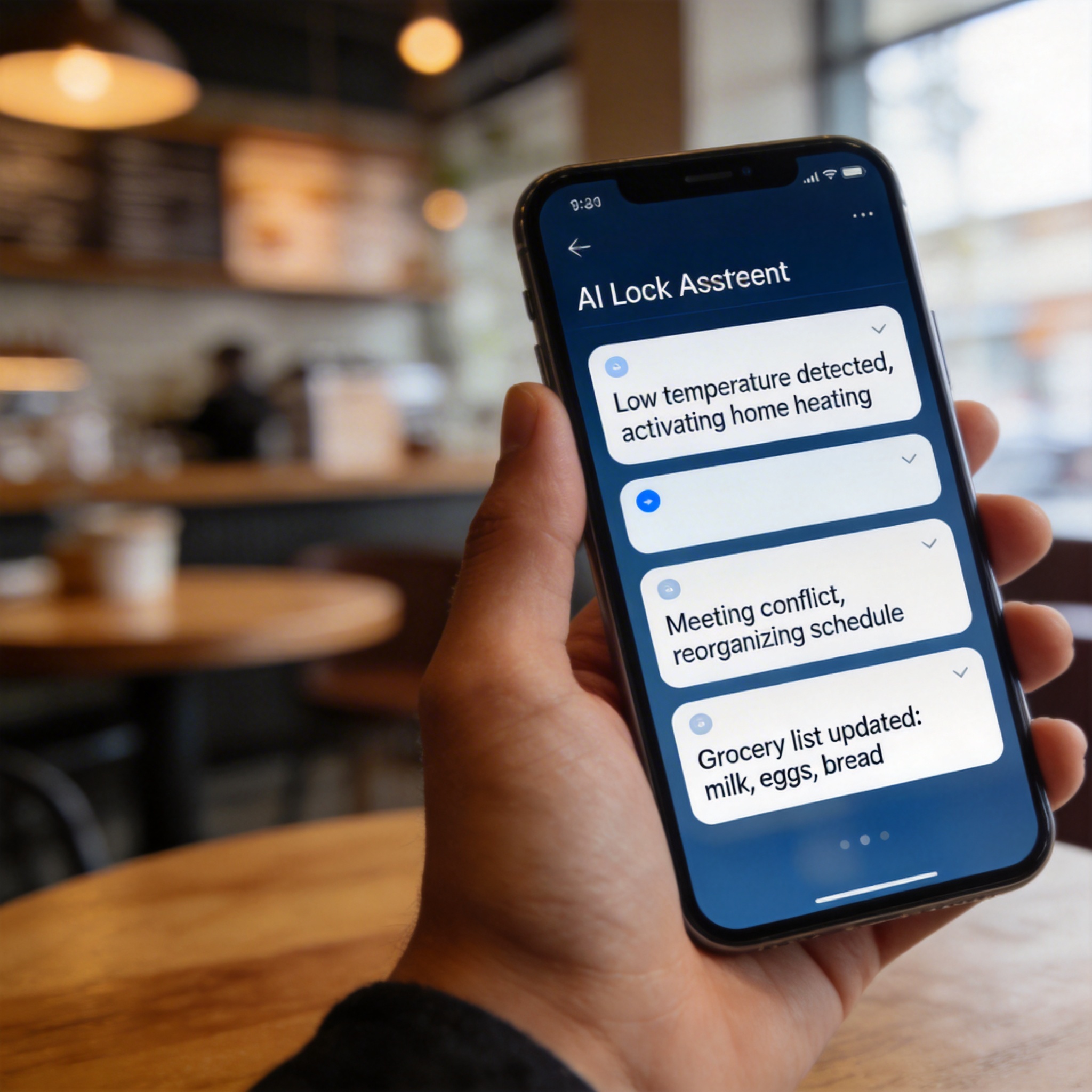
Smartphone lock screen showing multiple AI-generated push notifications, demonstrating proactive assistance.
The Cost of Convenience and Potential Risks
The $19.99 monthly subscription for Gemini Advanced provides users with a maximum of 10 preset automated actions, as outlined in Google's official documentation. This rationing of computational power establishes distinct tiers of AI functionality.
Despite its capabilities, the system is not without flaws. A New York user traveling in Tokyo reportedly received Brooklyn-specific weather alerts and traffic updates, indicating issues with Google's location anchoring mechanism. To comply with privacy regulations like CCPA and GDPR, which restrict 24/7 background location tracking, the system reportedly locks GPS coordinates at the moment a task is created.
Smartphone screen with a subtle glitch and ominous red glow, symbolizing digital vulnerability and security risks.
A more significant concern is the security implications of Gemini's full read/write permissions. By granting "Always Allow" access, users potentially expose their digital lives to algorithmic control. Cybersecurity agencies have demonstrated potential "zero-click injection" risks. An attacker could send an email with specific prompt words to a target's mailbox, potentially inducing an always-on Gemini to automatically package and send confidential documents to a third party during a scheduled task, without any user confirmation or screen activation.
Google has also implemented a dormancy rule: if a user does not interact with AI-generated notifications for several consecutive months, preset tasks will automatically become dormant. This mechanism aims to optimize computing power and foster user engagement with the AI.
AI's Role in Daily Life
Deloitte projects that 25% of generative AI users will pilot agentic AI in 2025, rising to 50% by 2027. This suggests a growing acceptance of AI in managing daily routines, from clothing choices to scheduling and email prioritization, often delivered via lock screen notifications.
The public perception that a subscription fee buys computational power and a personalized AI model may be misaligned with Google's strategy. The 10 preset operation quotas could be seen as a means to influence human routines. Daily briefings pushed to the lock screen establish anchor points for user behavior. In an algorithm-driven environment, individuals who opt out of proactive AI notifications and rely solely on their own planning may be perceived as less efficient. This suggests that ceding personal agency to AI could become a factor in maintaining competitiveness in modern productivity.

Human silhouette overlaid with digital network lines, synchronized with an abstract digital clock, symbolizing AI's influence on daily rhythms.
The Gemini update represents a digital-age contract where users pay $19.99 monthly and provide extensive personal data and system access. In return, they receive a constant AI butler that, despite occasional errors, exerts significant control over their schedule. This integration could lead to a future where human biological clocks are synchronized with system notifications, potentially altering daily rhythms irrevocably.
Stay Ahead of the AI Curve
Join 50,000+ subscribers getting the latest AI tools, trends, and tutorials delivered to their inbox weekly.
No spam, unsubscribe at any time.