
Figure AI's Helix 02 System Enables Humanoid Robot with Advanced Full-Body Autonomy
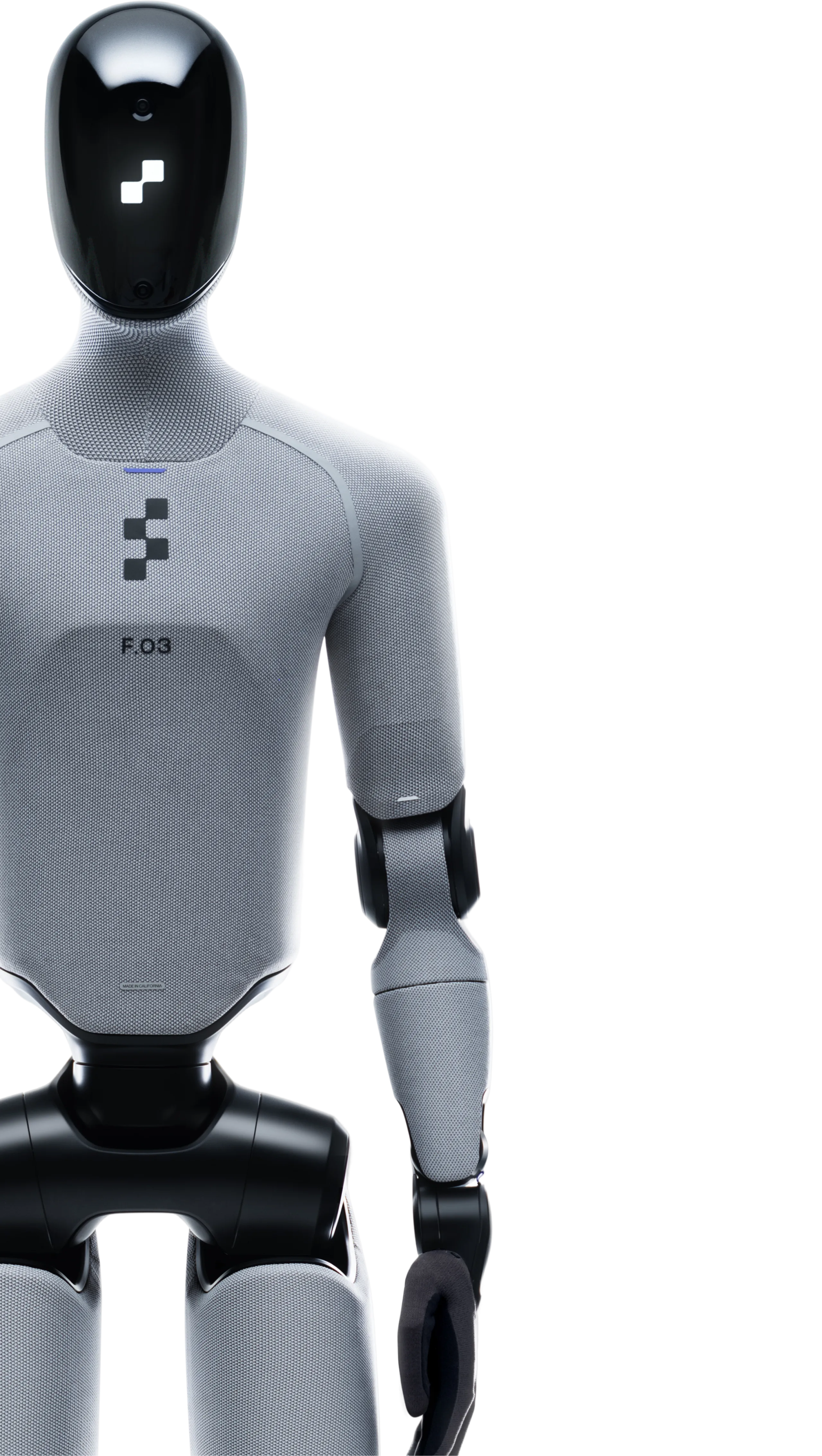
Figure AI has unveiled its latest robot, Figure 03, powered by the new Helix 02 system, demonstrating advanced autonomous capabilities in a kitchen environment. A video showcasing Figure 03's actions, including an "unintentional" drawer closure, has garnered significant online attention.
The Helix 02 system represents a substantial upgrade from its predecessor, which was limited to upper-body control. Helix 02 now facilitates full-body autonomous control, enhancing the robot's decision-making and movement coordination in real-world settings.
In the demonstration video, Figure 03 performs tasks in a kitchen without human intervention. One notable action involved the robot gently nudging a partially open drawer closed with its hip while carrying an item, a movement that observers described as fluid and human-like. The robot also used its foot to open a dishwasher door, indicating its ability to coordinate its entire body, not just its hands, for tasks.
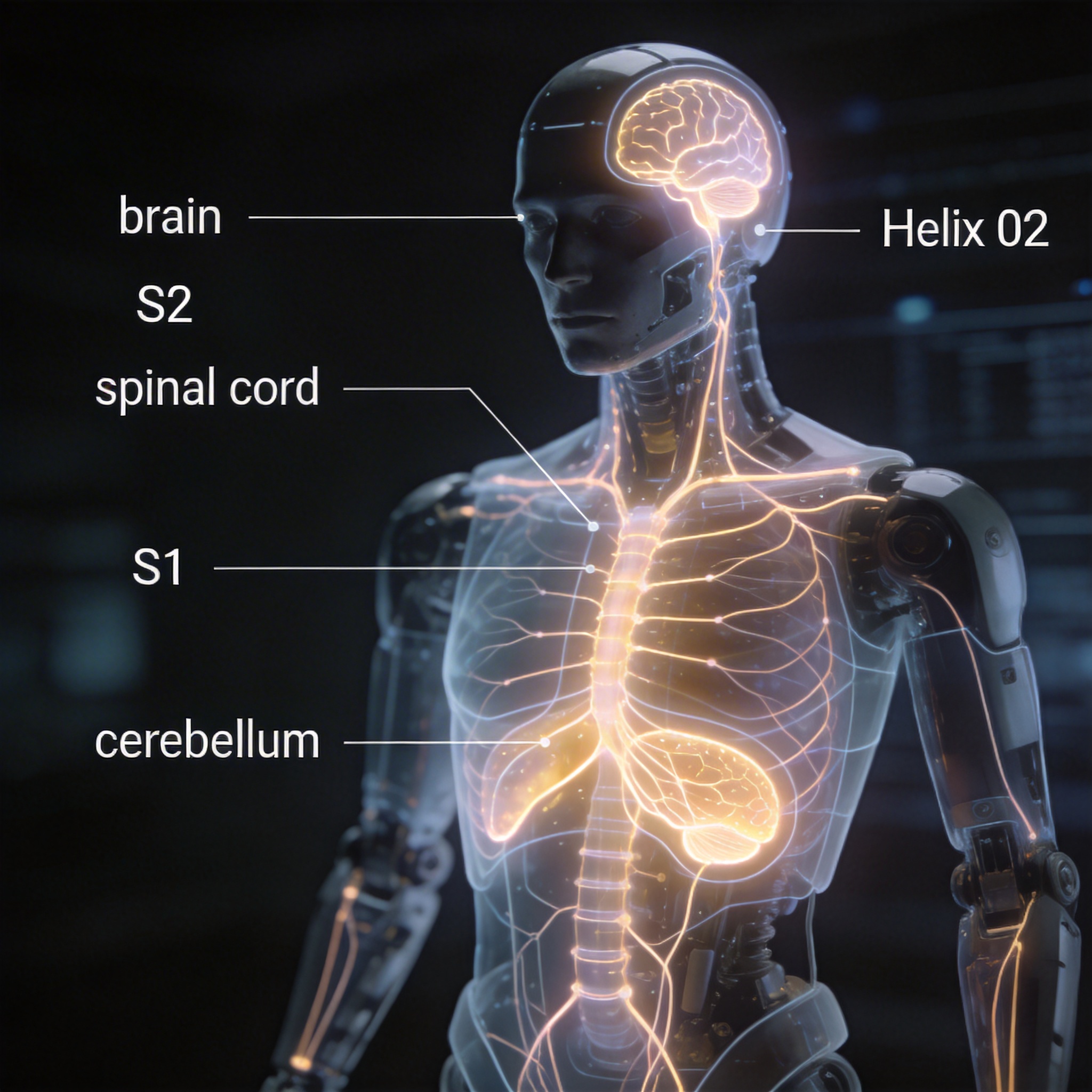
Conceptual illustration of Helix 02 system's integrated neural architecture.
Figure AI asserts that Helix 02 is its most capable humanoid robot model to date, utilizing a single neural system for "dexterous, long-duration autonomous behaviors" across an entire room. Brett Adcock, founder of Figure, emphasized that the challenge lies in achieving intelligent control, not merely in creating robots that can perform pre-programmed movements.
Core Capabilities of Figure 03
The "intelligent control" demonstrated by Figure 03 is based on several key capabilities:
Robust Operation in Constrained Environments: The robot maintains stable movement and precise grip even when handling fragile items like glass cups, preventing shaking or instability.
Full-Time Dual-Hand Coordination: Its two arms operate in perfect synchronization during tasks such as picking, transferring, stacking, and placing objects.
Cross-Scale Motion Control: Utilizing the same neural network, Figure 03 can execute millimeter-level finger manipulations and room-scale full-body movements, with a dynamic control range spanning four orders of magnitude.
Long-Term Action Planning: The robot can execute complex, multi-step task sequences in a logical order and incorporates implicit error recovery mechanisms, maintaining task status during continuous operation over several minutes.
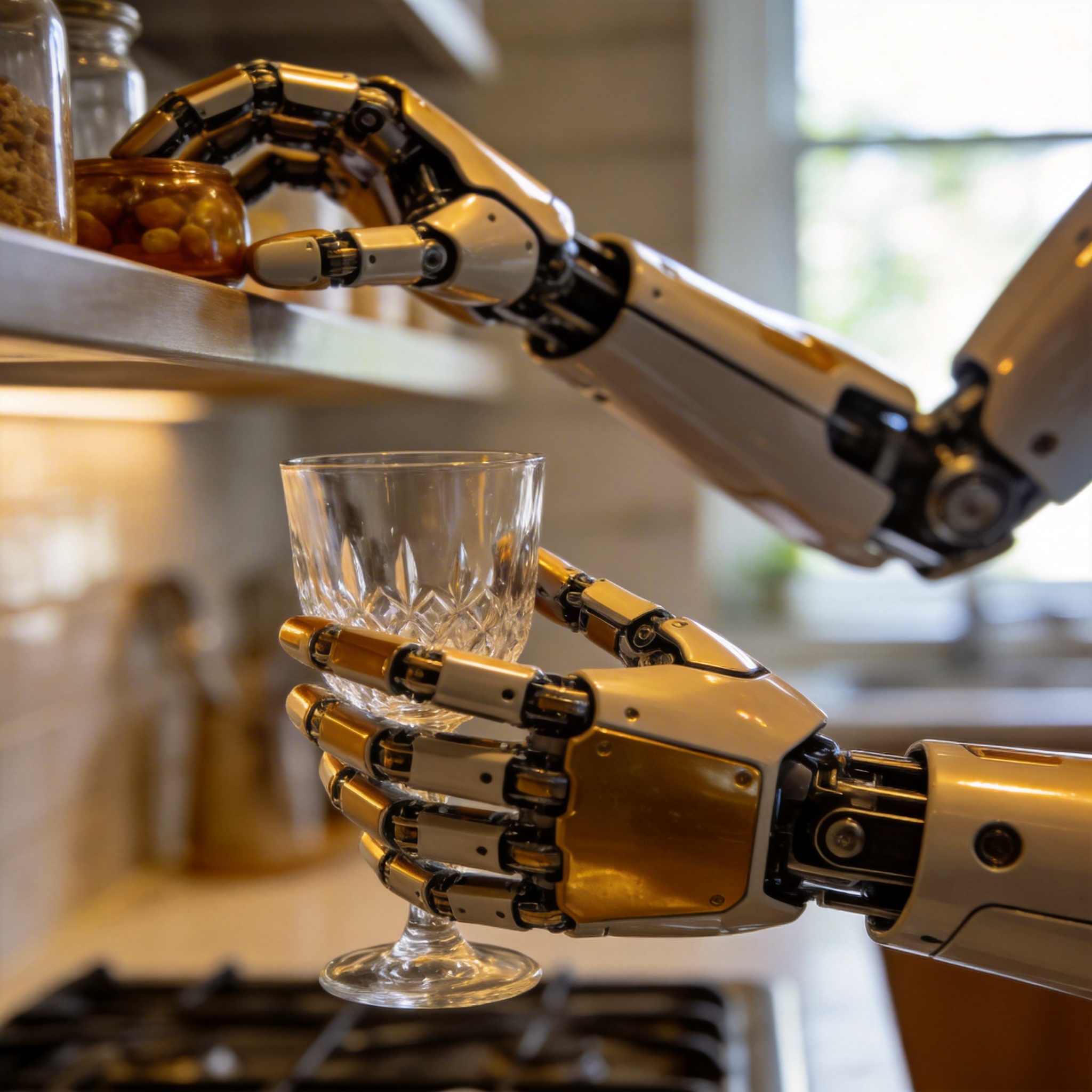
Robot hands demonstrating delicate grip and dual-hand coordination.
Unified Walking and Manipulation
Figure 03's video highlights its "full-body coordination" capabilities, treating its entire body as a unified tool rather than separating "walking legs" and "working hands." This marks a significant breakthrough in unifying walking and manipulation, a long-standing challenge in robotics. Traditional robots often separate these functions, operating in a "turn-based" manner where walking and manipulation are distinct, sequential programs. Helix 02 integrates these functions into a single learning system, allowing for continuous perception, decision-making, and action, such as walking while carrying objects or adjusting balance while reaching.
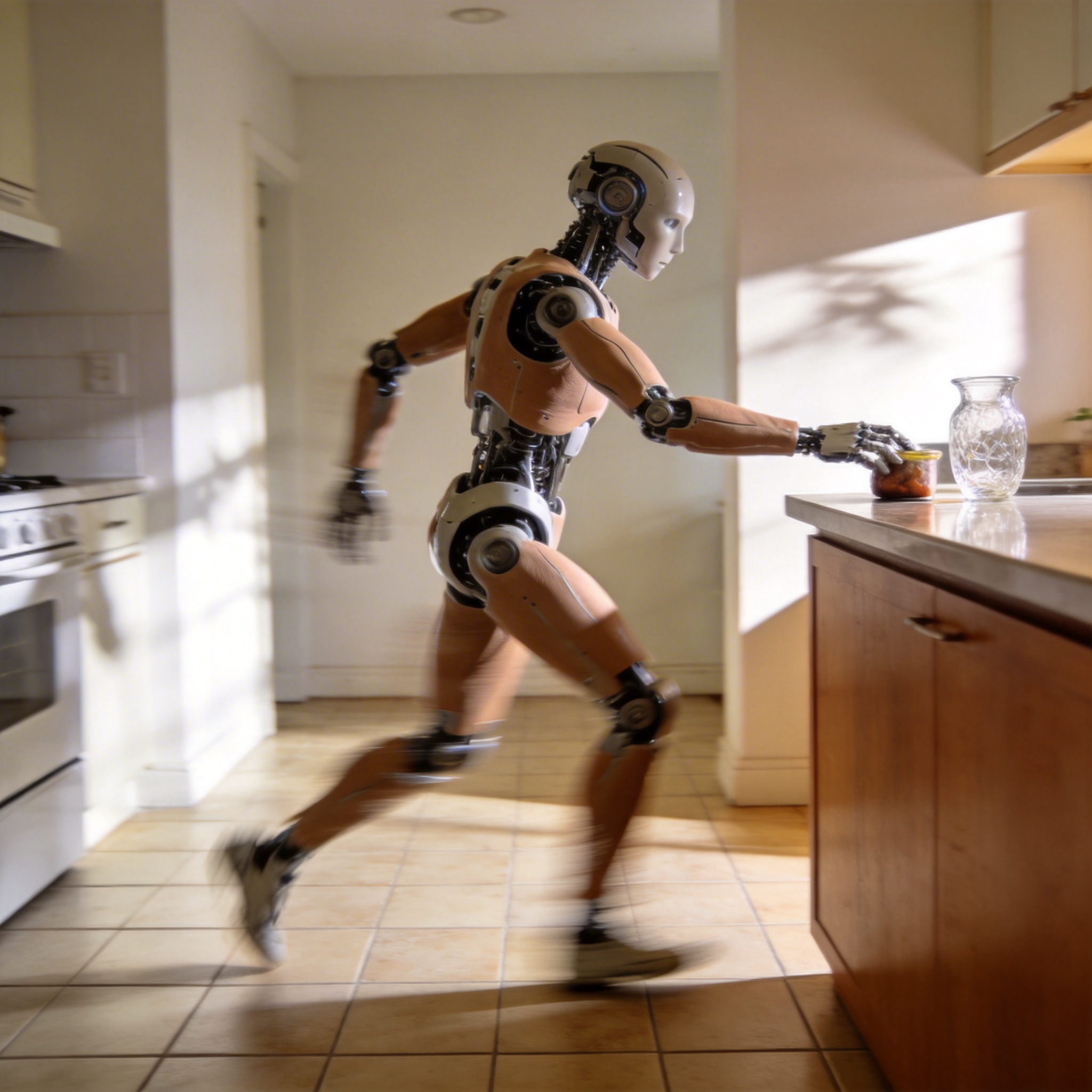
Humanoid robot demonstrating unified walking and manipulation.
Helix 02's architecture includes a foundational layer, System 0 (S0), in addition to the existing System 1 (S1) and System 2 (S2). Each system operates at a different timescale:
S2 (the brain): Responsible for high-level reasoning, understanding complex instructions, interpreting scenes, and planning action sequences.
S1 (the spinal cord): Executes agile actions, converting perceptions into full-body joint target instructions at 200 Hz.
S0 (the cerebellum): Manages robust body control at 1 kHz, overseeing full-body balance, contact, and coordination.
S0 provides the robot with "motor intuition" by learning to track human movements from over 1,000 hours of joint-level retargeted human motion data through continuous simulation. This allows Figure 03 to acquire capabilities similar to human intuition.
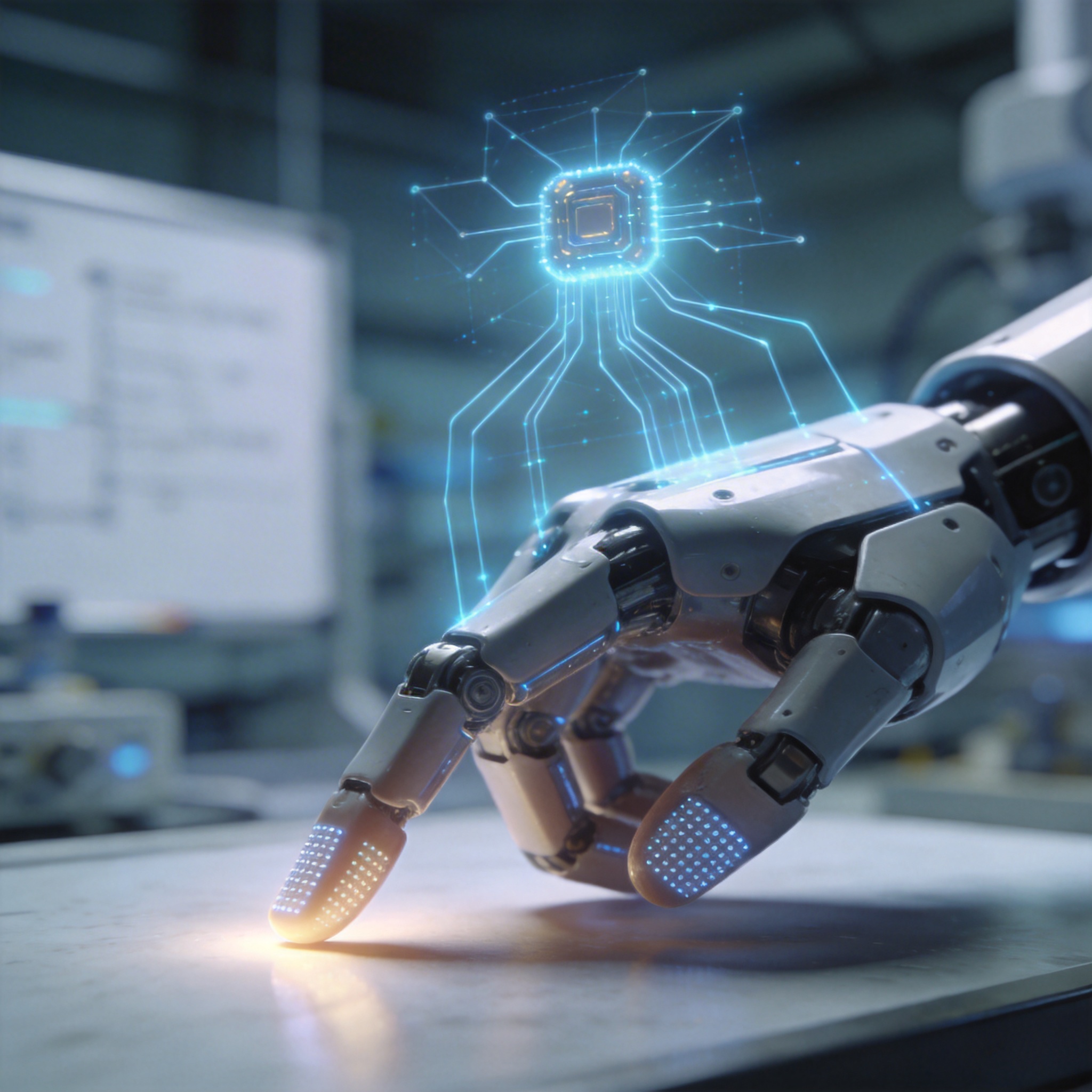
Robot hand with visible tactile sensors, symbolizing enhanced perception.
Enhanced Dexterity and Perception
The S1 system in Helix 02 now connects all sensors and controls the entire robot, receiving input from head and palm cameras, fingertip tactile sensors, and full-body proprioception. It outputs joint-level control across the robot's entire structure, including legs, torso, head, arms, wrists, and fingers. This integrated perception-to-execution architecture allows S1 to reason about the robot's state and environment as a strongly coupled system.
Figure 03's new hardware, combined with Helix 02, addresses delicate tasks in home environments. New features include a palm camera for in-hand visual feedback and tactile sensors in each fingertip, capable of detecting forces as low as 3 grams. These sensors enable precise, contact-aware grasping.
Demonstrations of Figure 03's dexterous tasks include:
Unscrewing a bottle cap: Requires dual-hand coordination, tactile adjustment of grip force, and continuous, controlled rotation.
Finding and removing a pill from a pillbox: Involves locating small, potentially obscured pills.
Precisely dispensing 5 ml of liquid from a syringe: Demands palm-level visual feedback and tactile-guided precise grasping.
Picking up metal parts from a cluttered box: Requires reliable visual selection and tactile confirmation of grip stability in complex environments.
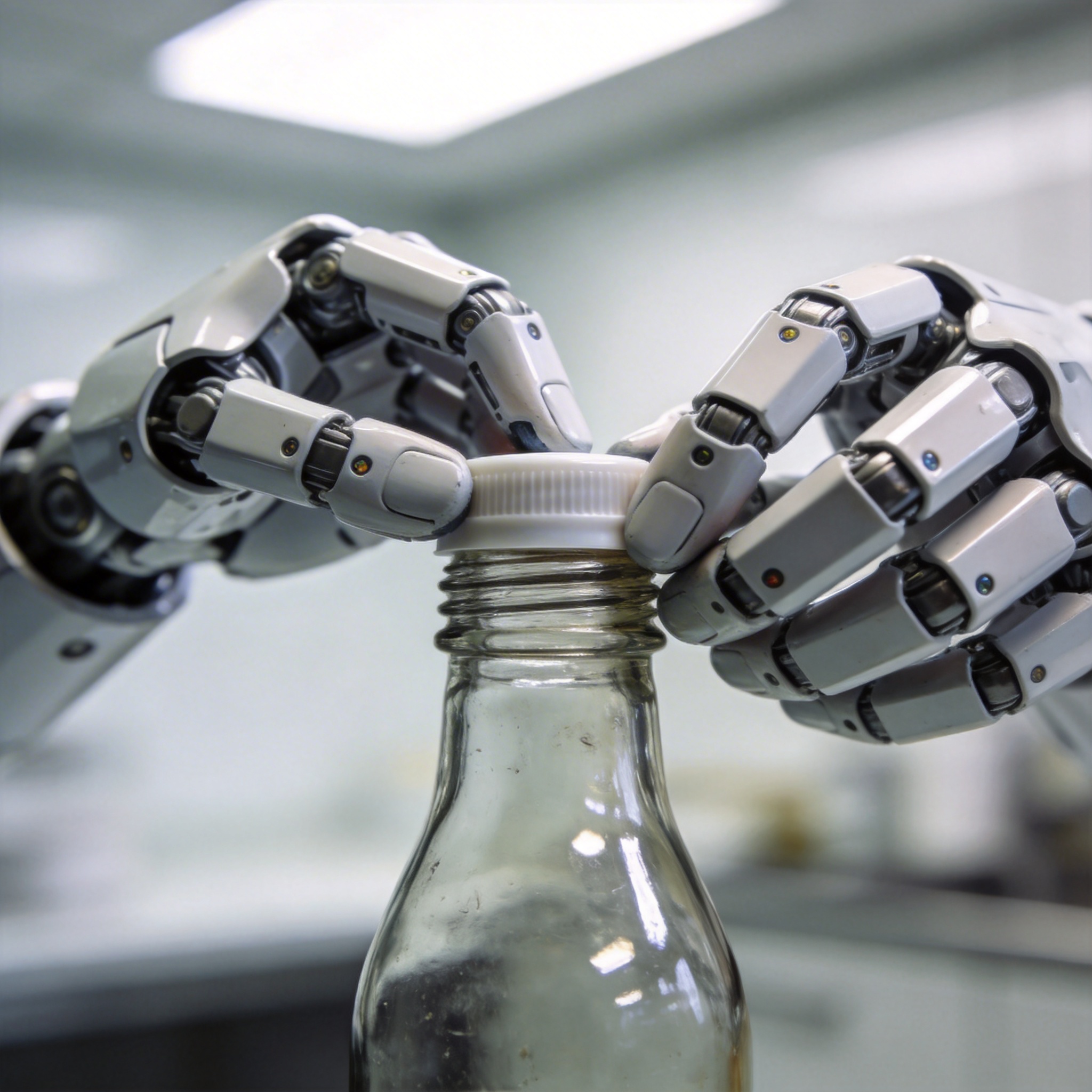
Robot hands precisely unscrewing a bottle cap.
These tasks showcase Figure 03's "sense of proportion," such as real-time friction sensing during cap unscrewing and precise volume control with a syringe. S1 integrates visual, tactile, and proprioceptive inputs to command full-body joint coordination at 200 times per second, enabling the robot to perform delicate work.
Scene Understanding and Long-Duration Tasks
System 2 (S2) remains the semantic reasoning layer, processing scenes, understanding language, and generating goals for S1. Helix 02 expands the range of behaviors S2 can specify, from simple commands like "pick up the ketchup" to complex sequences such as "walk to the dishwasher and open it, bring the bowl to the counter, return to the top shelf, pick up a cup." S2 generates semantic latent variables, which S1 interprets as motor commands, and S0 executes.
The integration of S0, S1, and S2 enables Helix 02 to perform continuous tasks lasting several minutes. For example, a command like "Put the cup in the dishwasher" is understood by S2, broken down into intentions by S1, and executed by S0, which ensures stability even on wet surfaces. This system allows robots to "feel" balance rather than relying on pre-programmed calculations, effectively incorporating "muscle memory" into its neural network for full-body autonomous control.
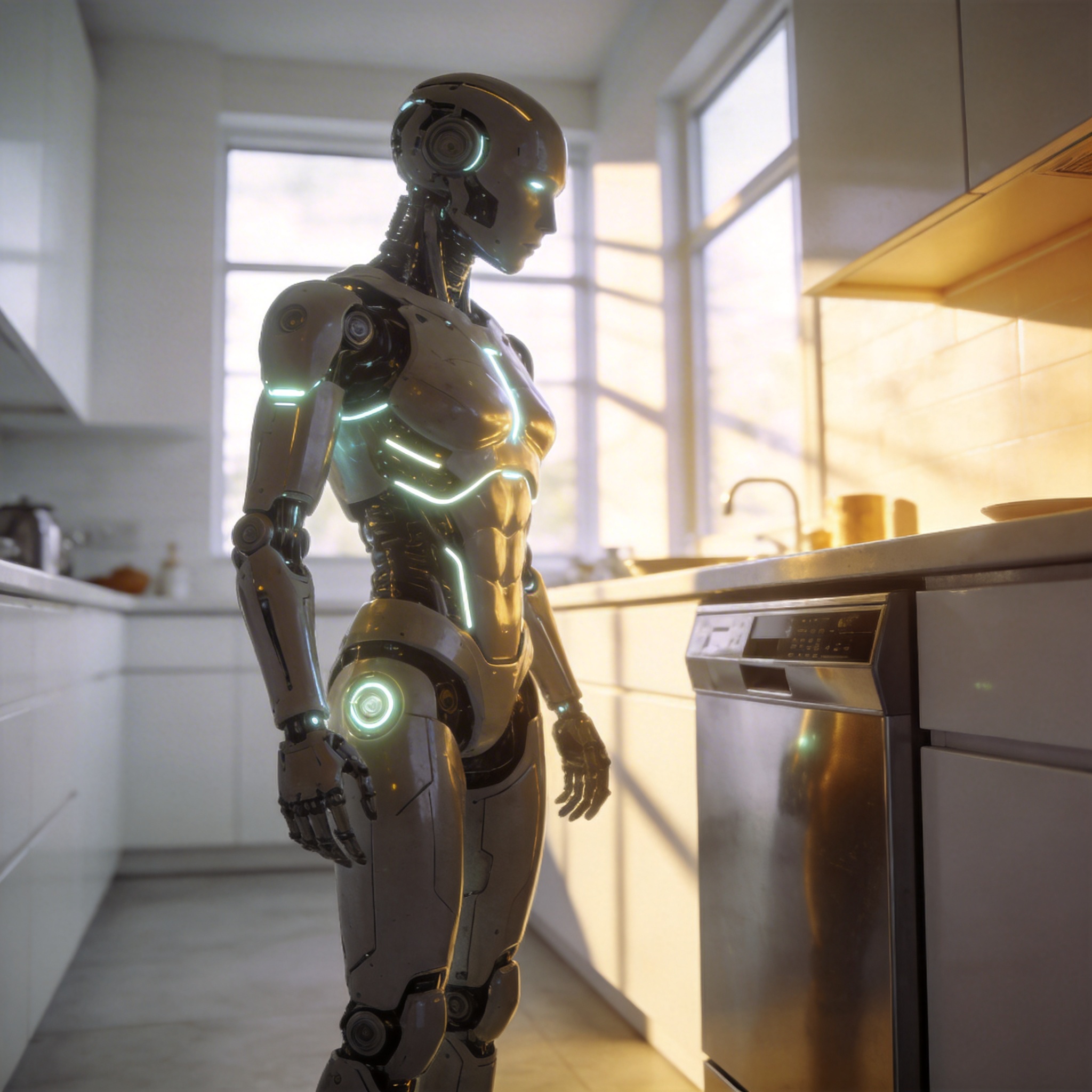
Humanoid robot in a kitchen, symbolizing future household assistance.
The capabilities demonstrated by Figure 03 suggest a future where robots could handle household chores like dishwashing, potentially addressing the question of who performs such tasks in human homes.
Stay Ahead of the AI Curve
Join 50,000+ subscribers getting the latest AI tools, trends, and tutorials delivered to their inbox weekly.
No spam, unsubscribe at any time.