
Developer Creates Open-Source Claude Code Desktop Application in One Day Using Opus 4.6 and Agent Teams

A developer has launched CodePilot, an open-source desktop application for Claude Code, built in a single day using Anthropic's Opus 4.6 model and Agent Teams. The application, available on GitHub, is described as fully functional and aesthetically pleasing.
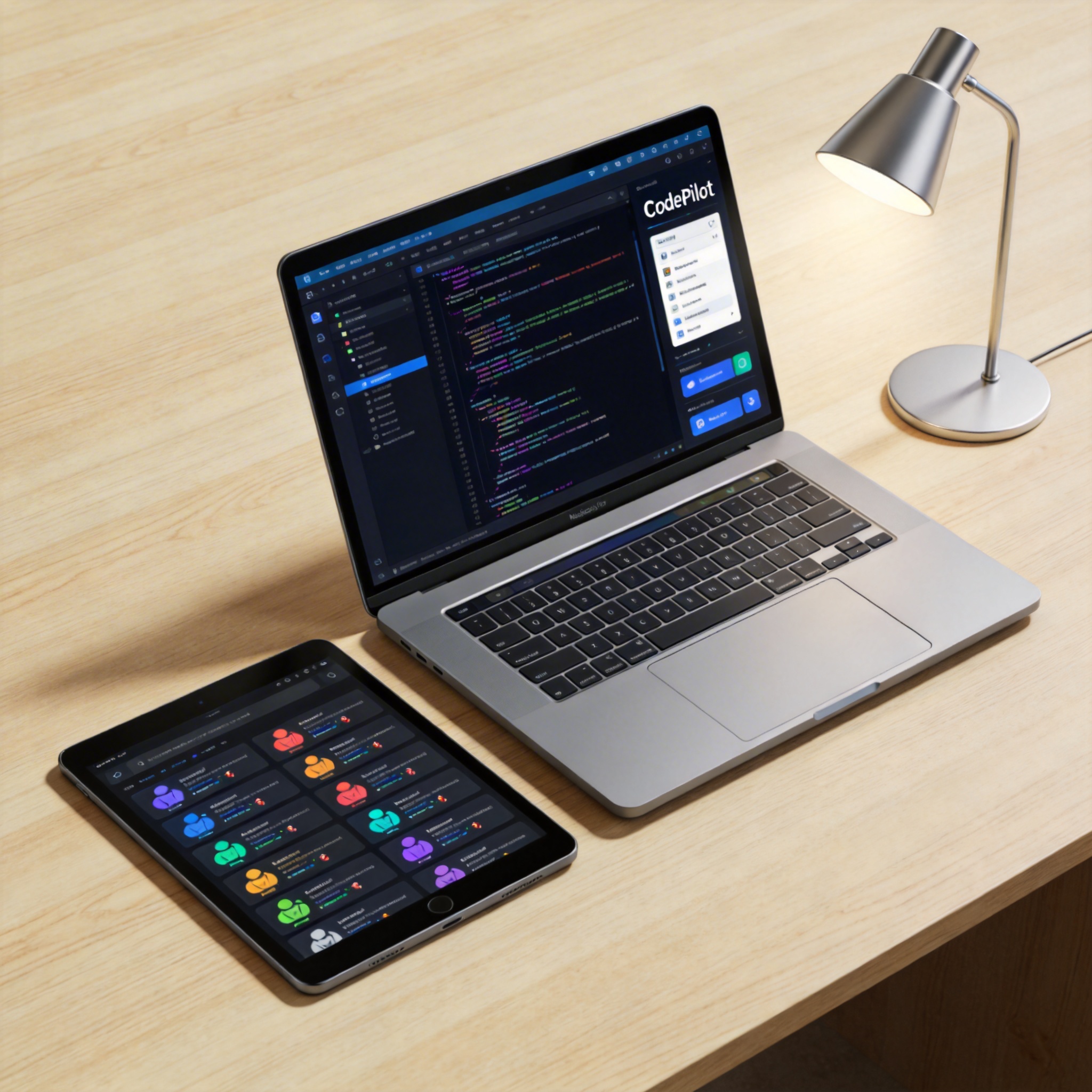
Overhead view of a desk with a laptop running CodePilot and a tablet showing AI agent collaboration.
The developer highlighted the efficiency gained by using advanced AI models and multi-agent collaboration, suggesting that granting AI more autonomy and resources can significantly accelerate development.
CodePilot: Features and Design
CodePilot is designed to enhance the user experience of Claude Code, offering a graphical interface for functionalities typically managed via the command line. Key features include:
Chat History Management: All chat records are saved in a sidebar, linked to specific folders, allowing users to review past conversations and track message costs.
Visual Configuration: Configuration files, skills, and plugins, previously requiring command-line adjustments, can now be edited, previewed, and saved through a visual interface.
Folder Content Preview: A right sidebar displays the contents of the current folder, with direct preview capabilities for text files.
Third-Party API Support: While supporting official logins and environment variables, CodePilot also allows configuration for third-party Claude APIs, providing flexibility for users who cannot directly access the official API.
Connection Status Display: A status bar indicates Claude Code's connection status and provides instructions for installation and startup if disconnected.
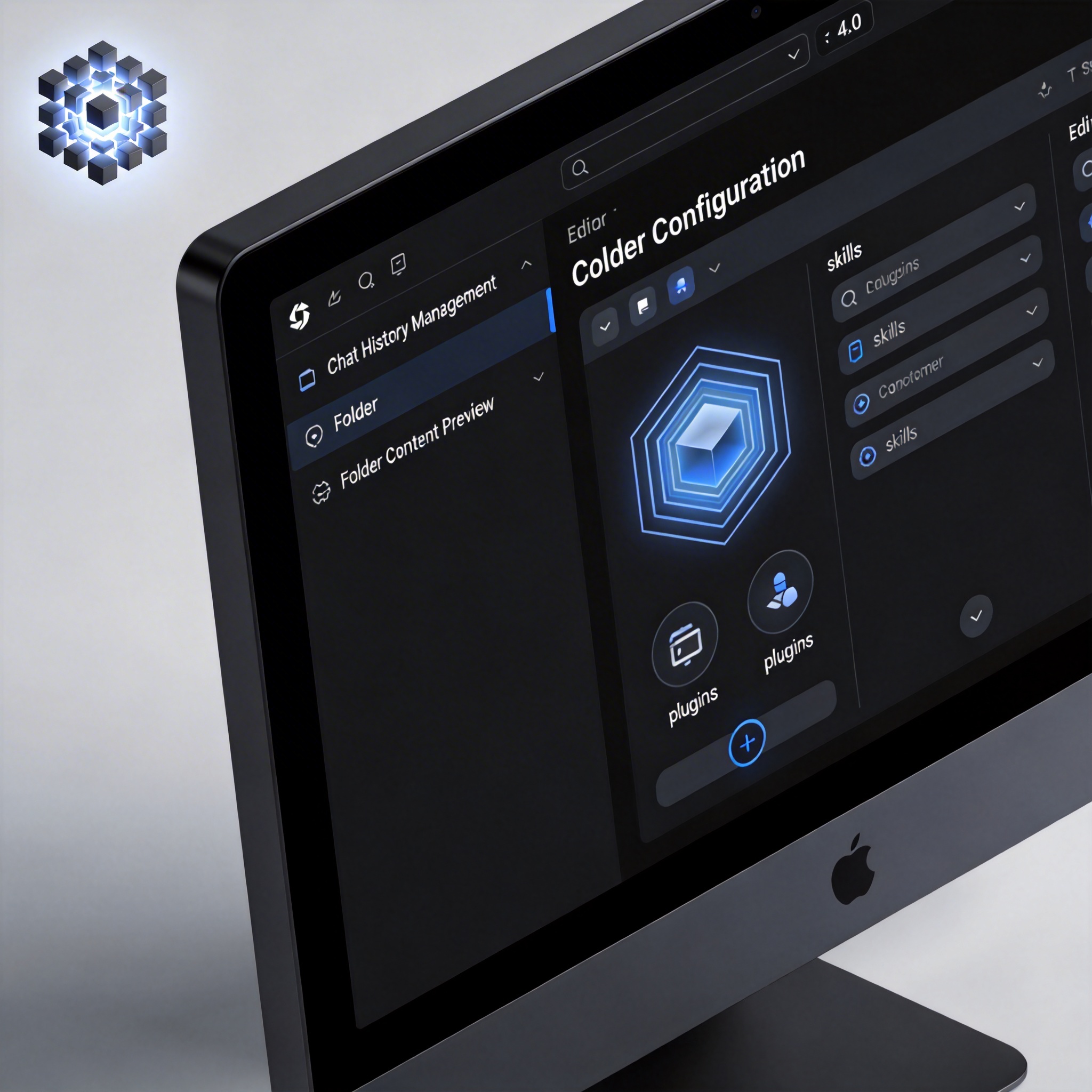
Screenshot of CodePilot desktop application interface showing chat history, folder preview, and visual configuration.
The application's icon features a voxel-style radiating shape, designed to evoke the original Claude Code icon while avoiding potential infringement issues.
Currently, CodePilot supports macOS systems with M-series chips. A Windows version is planned for future release.
Agent Teams: A New Paradigm for AI Collaboration
The developer emphasized the effectiveness of Agent Teams mode, which facilitates multi-agent collaboration. This mode allows a main AI agent to delegate tasks to multiple sub-agents, which can work in parallel and communicate with each other. The main agent monitors progress in real-time, and sub-agents can report back actively. This differs from single-AI systems that merely switch roles.
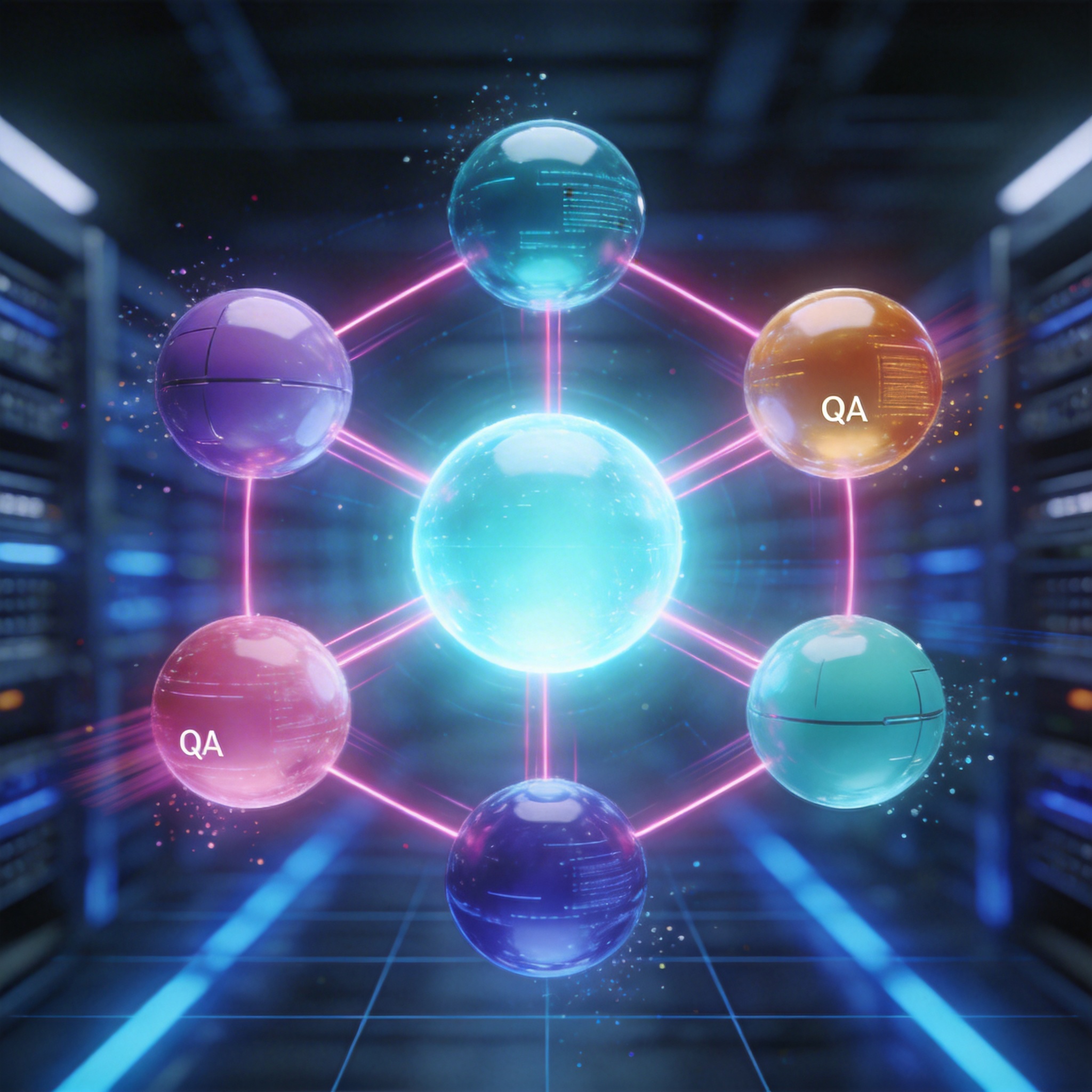
Conceptual image of a central AI agent delegating tasks to multiple sub-agents, connected by glowing lines.
To enable Agent Teams, users need to update to the latest Claude Code version, ensure Opus 4.6 compatibility, and then use Claude Code itself to configure the feature based on official documentation.
Development Strategies with Agent Teams
The developer shared several tips for leveraging Agent Teams effectively:
AI-Assisted Prompt Generation: Instead of manually crafting detailed planning prompts for each agent, users can provide Claude with official documentation and requirements, allowing the AI to generate the necessary prompts for team setup and execution.
Prioritize Early Research: Incorporating a dedicated "research" role within the agent team can significantly improve development efficiency by identifying optimal technologies, architectures, and component libraries early in the process.
Flexible Role Design: Unlike traditional software engineering teams, Agent Teams allow for dynamic role customization for each task. A quality assurance (QA) agent, for example, can shift focus from code review to experience walkthroughs depending on the development phase. This flexibility enables highly specialized and adaptive team configurations.

Abstract image of dynamically reconfiguring geometric shapes representing flexible AI agent roles.
The developer noted that the ability to build fully functional, bug-free applications for iOS and macOS in a single day highlights a significant shift in development capabilities, attributing this to the willingness to invest in and empower advanced AI models like Opus 4.6 and collaborative frameworks like Agent Teams. Despite the perceived cost, the developer argued that the efficiency and reduced errors lead to overall cost and time savings compared to using less capable models.
Stay Ahead of the AI Curve
Join 50,000+ subscribers getting the latest AI tools, trends, and tutorials delivered to their inbox weekly.
No spam, unsubscribe at any time.