
DeepSeek V4 Model Expected to Launch in February with Enhanced Programming Capabilities


DeepSeek is reportedly preparing to release its next-generation V4 model in mid-February, coinciding with the Chinese New Year. The new model is anticipated to feature significant advancements in programming capabilities, potentially surpassing existing top-tier models such as Claude and the GPT series.

Software engineer debugging code on multiple monitors, representing advanced programming capabilities.
Internal testers have described V4 as a substantial leap forward compared to its predecessor, V3, which was released in December of the previous year. The company aims for V4 to establish a new benchmark in programming proficiency.
Anticipated Release and Previous Successes
The timing of the V4 release is notable, following the successful debut of DeepSeek R1 last year, which also launched around the Chinese New Year. The R1 model, an open-source "reasoning" model, gained attention for its ability to process complex problems efficiently, making it a cost-effective solution for developers. This success contributed to DeepSeek's growing recognition among international developers and positioned China as a significant player in open-source AI.
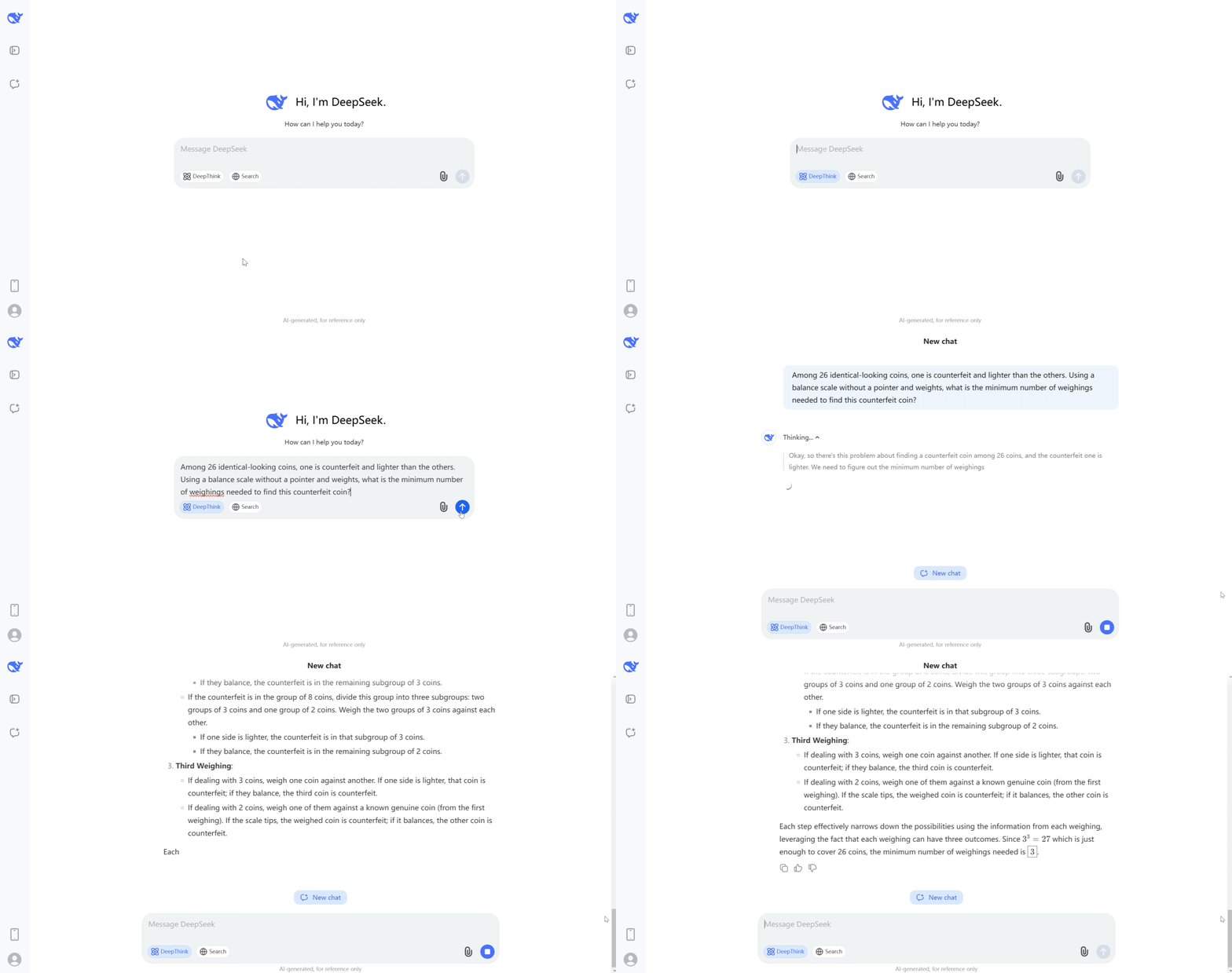
DeepSeek R1 model launch event or promotional material, showcasing its success.
DeepSeek has continued to iterate on its models, with versions like V3.1 and V3.2, which integrated agent capabilities. The V3.2 model reportedly outperformed GPT-5 and Gemini 3.0 Pro on certain benchmarks, setting high expectations for the V4 release.
Key Breakthroughs in V4
Information suggests that DeepSeek V4 incorporates breakthroughs in four primary areas:
Enhanced Programming Capability
V4 is expected to challenge Claude's current standing as a leading programming AI. Preliminary internal benchmark tests reportedly indicate that V4's performance in coding tasks, including generation, debugging, and refactoring, exceeds that of current mainstream models.
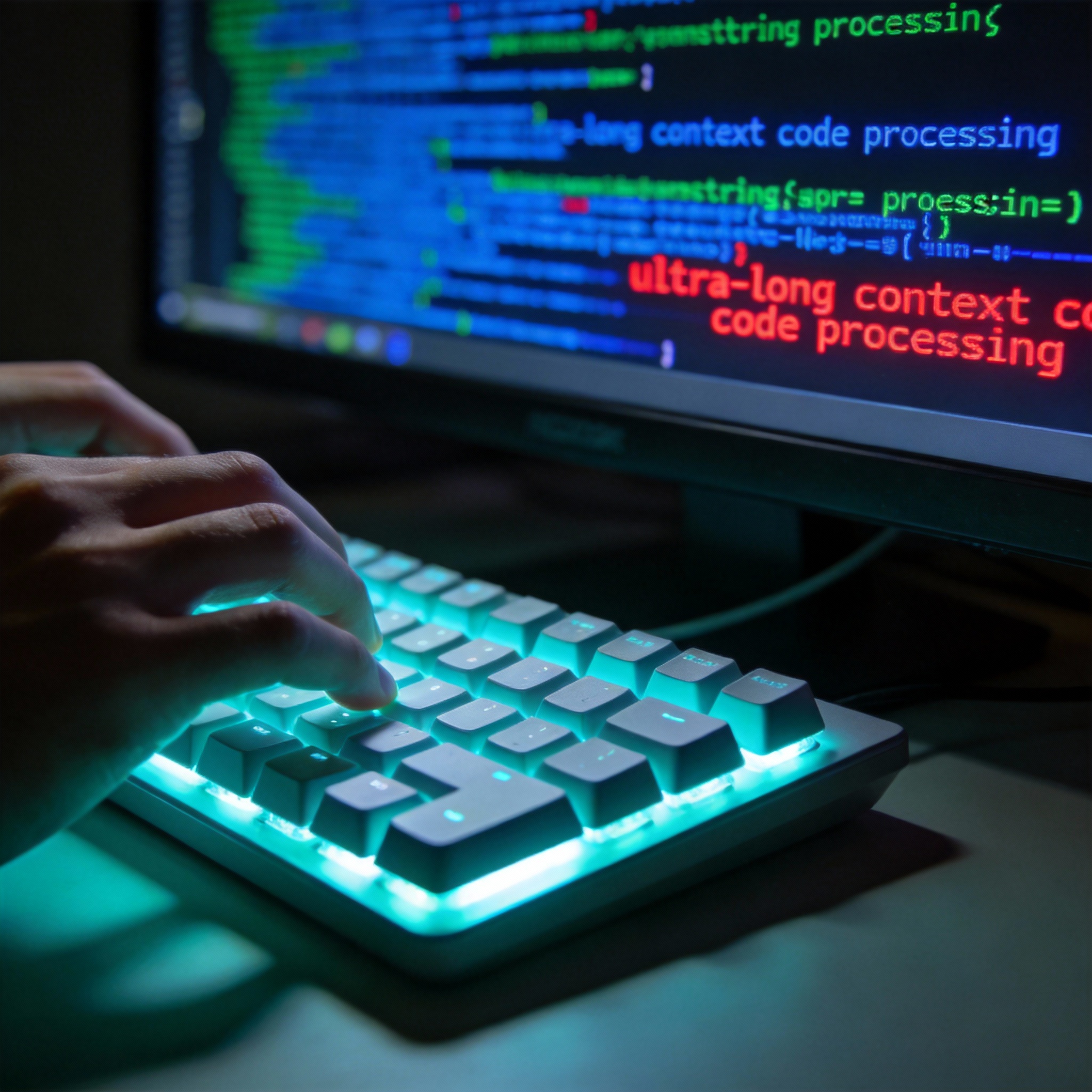
Developer's hands typing on a keyboard, with ultra-long code scrolling on a monitor.
Ultra-Long Context Code Processing
A significant technical advancement in V4 is its capacity to process and analyze extremely long code prompts. This feature is designed to benefit software engineers working on large-scale projects, allowing the AI to understand extensive codebases for tasks such as feature integration, bug fixing, and refactoring. Previous models often struggled with maintaining context over long code sequences.
Improved Algorithmic Stability
V4 is reported to exhibit improved data pattern understanding throughout its training process, leading to reduced decay in learned patterns and features. This addresses a common challenge in AI training where models can gradually lose previously acquired knowledge over multiple training rounds.

Abstract representation of stable, converging data patterns, symbolizing improved algorithmic stability.
More Rigorous Reasoning
The V4 model is also said to produce logically more rigorous and clearer outputs. This suggests a qualitative improvement in the model's ability to understand data patterns during training, with no reported degradation in overall performance—a notable achievement in AI model development. Recent research co-authored by DeepSeek CEO Liang Wenfeng, detailed in a paper titled "mHC: Manifold-Constrained Hyper-Connections," describes a new training architecture that allows for scaling larger models without a proportional increase in chip requirements.
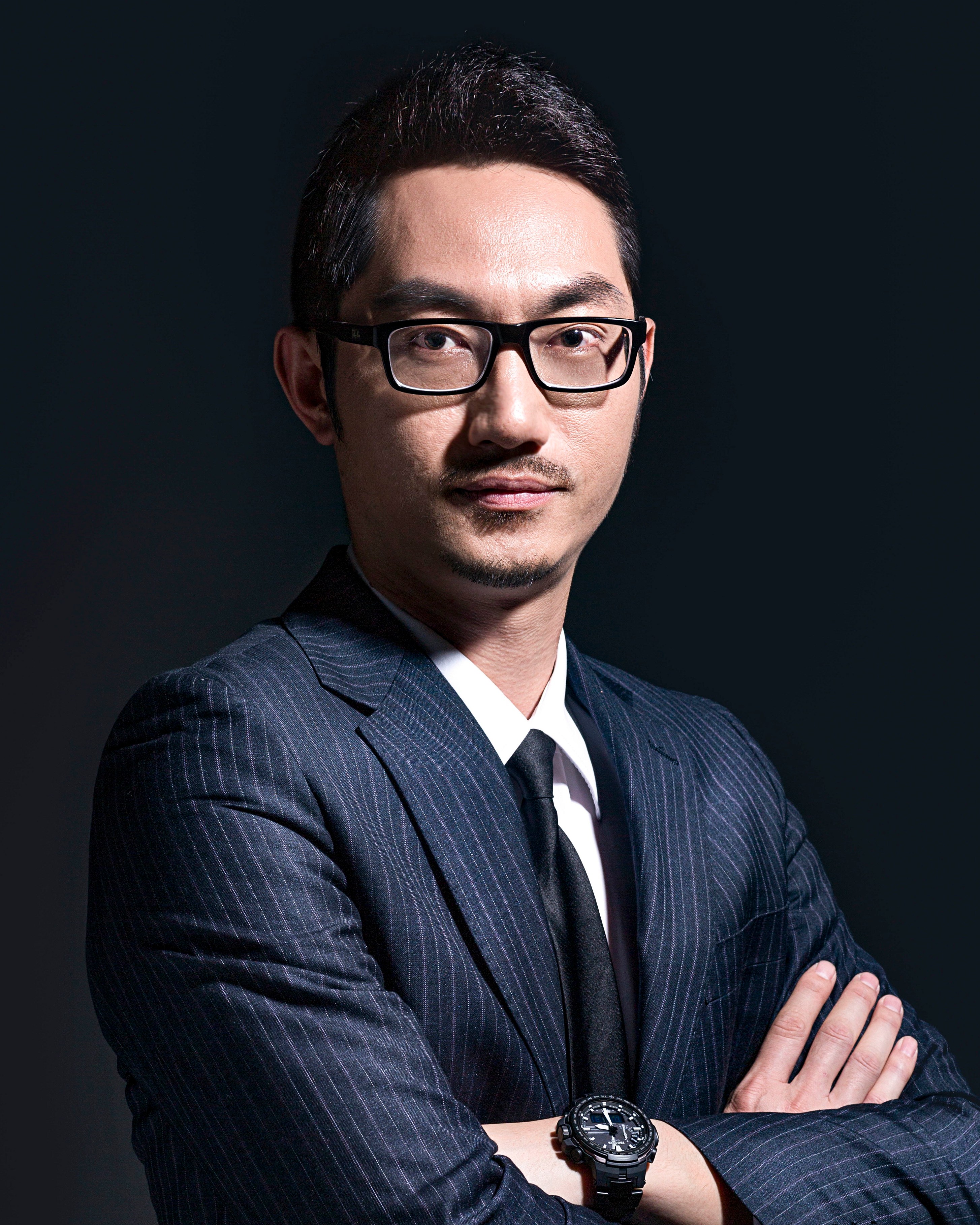
Professional portrait of Liang Wenfeng, CEO of DeepSeek.
Technical Foundations from V3 to V4
DeepSeek's technical advancements build upon previous innovations:
MoE Architecture
DeepSeek-V3 utilized an innovative Mixture of Experts (MoE) architecture, featuring 671 billion parameters but activating only about 37 billion per token during inference. This sparse activation mechanism allowed for high inference efficiency at a large scale. The company improved traditional MoE training with a "fine-grained experts + generalist experts" strategy, using numerous small experts to better approximate a continuous multi-dimensional knowledge space.
MLA Technology
The Multi-head Latent Attention (MLA) mechanism, introduced in V2, significantly reduced KV cache and memory usage during inference by compressing Key and Value tensors into a low-dimensional space. This technology has been crucial for DeepSeek in achieving high performance with limited hardware resources.
R1 Reinforcement Learning Experience
DeepSeek-R1, a reinforcement learning-driven reasoning model, had its core technology integrated into later V3 updates. V4 is expected to inherit these reinforcement learning optimizations, combining foundational capabilities with specialized programming breakthroughs.
mHC Breakthrough
A paper released by DeepSeek on December 31, 2025, introduced "mHC: Manifold-Constrained Hyper-Connections." This research addresses the instability of large model training by using the Sinkhorn-Knopp algorithm to project the neural network's connection matrix onto a mathematical manifold, controlling signal amplification. This method reportedly improves reasoning benchmarks by 2.1% with only a 6.7% increase in training overhead, having been verified on models up to 27 billion parameters.
Algorithmic Efficiency Under Hardware Constraints
DeepSeek's development strategy has emphasized algorithmic efficiency, particularly in light of chip export restrictions. The company's V3 model, for instance, had a training cost significantly lower than comparable models from other major AI developers. This approach suggests that V4 will continue to prioritize algorithmic optimization over extensive hardware resources. If V4 achieves its programming goals under these constraints, it would underscore the impact of advanced algorithms in the AI landscape.

Abstract representation of algorithms expanding within hardware constraints, symbolizing efficiency.
Remaining Questions for V4
Several aspects of the V4 release remain unconfirmed:
Distilled Versions: Whether DeepSeek will release distilled versions of V4, similar to the R1 model, to enable broader access on consumer-grade hardware.
Multimodal Capabilities: The extent to which V4 will incorporate multimodal features beyond its core programming focus.
API Pricing: DeepSeek's historical focus on cost-effectiveness raises questions about the potential pricing structure for V4's API, especially if its performance surpasses competitors.
Open-Source Strategy: Whether DeepSeek will continue its open-source approach for V4 and future models, given the commercial value in the programming domain.
An anonymous model observed on LMArena (Large Model Arena) has been speculated by some users to be V4 undergoing field testing. However, definitive confirmation is pending. The official release is anticipated within the next month.
Stay Ahead of the AI Curve
Join 50,000+ subscribers getting the latest AI tools, trends, and tutorials delivered to their inbox weekly.
No spam, unsubscribe at any time.