
DeepSeek and Other Major Tech Innovations Began as Side Projects


DeepSeek, the large language model, originated as a side project, a trajectory it shares with products such as Twitter, Apple's Macintosh, and Alibaba's Qwen. This observation, highlighted by Hyperbolic co-founder Yuchen Jin, has prompted discussion within the technology industry.
Jin noted that while DeepSeek emerged from QuantCube, and Qwen from Alibaba, other significant innovations followed a similar path. Twitter began as a side endeavor at Odeo, and the Mac was initially an experimental project at Apple. Similarly, ChatGPT was a side project of OpenAI, PyTorch of Meta, Gmail of Google, and Linux also started as a side project.

A discarded smartphone with a cracked screen on concrete, representing failed tech projects.
Conversely, initiatives that were once core strategic projects, such as Microsoft's Windows Phone, Meta's metaverse, and Google Glass, ultimately did not achieve their intended impact.
DeepSeek's Origins
QuantCube, DeepSeek's parent company, primarily operates in quantitative hedge funds. DeepSeek was not part of the company's initial strategic roadmap. Instead, it developed from a group of engineers exploring the limits of model capabilities outside the company's main business. This project's inference capabilities reportedly influenced the competitive landscape of large language models.
Historical Precedents
In 2006, podcasting company Odeo focused on an audio platform, which faced challenges from Apple's iTunes. Following this setback, a group of engineers developed an internal "status update tool," which later became Twitter. While Odeo eventually ceased operations, Twitter evolved into a global communication platform.
The Apple Macintosh also began as an experimental project. Apple's primary focus at the time was the Apple Lisa, a high-end computer. The Mac project, led by Steve Jobs, operated with a smaller team and limited resources, and was at times marginalized by senior management. The Lisa ultimately failed, while the Mac became a defining product in personal computing.
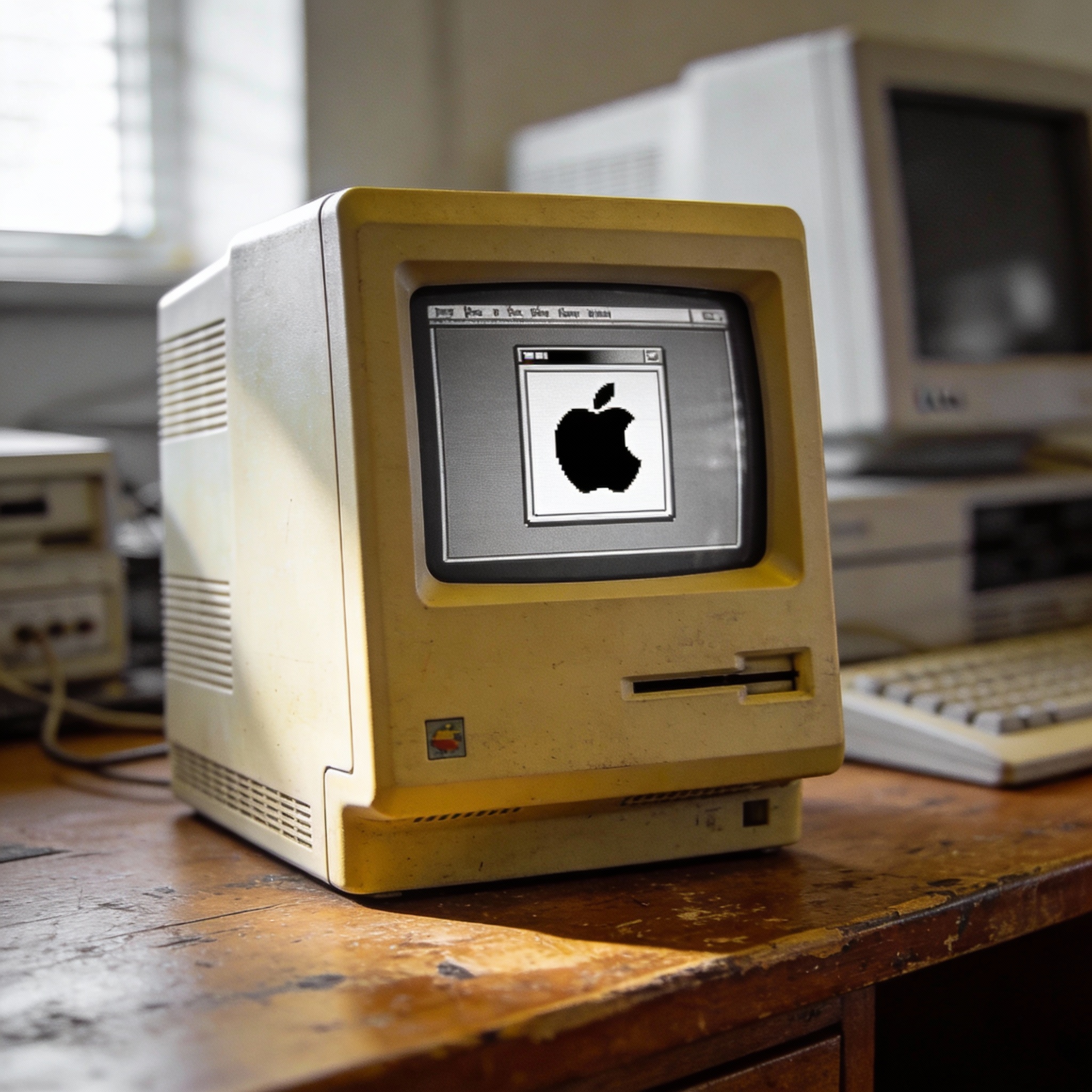
A vintage Apple Macintosh computer on a desk, symbolizing a successful side project.
Challenges for Core Projects
Several high-profile core projects encountered significant obstacles:
Microsoft Windows Phone: During the rise of smartphones, Microsoft invested heavily in Windows Phone as a strategic initiative. This included allocating company resources to its system foundation, UI design, and developer ecosystem, and acquiring Nokia's mobile phone business for $7.2 billion. However, the platform struggled to build a sustainable ecosystem and was eventually discontinued.
Google Glass: Launched as a "next-generation computing platform," Google Glass was envisioned as a wearable device offering augmented reality and continuous information access. Despite its ambitious positioning, the product faced user adoption issues due to unclear use cases and high pricing, eventually receding from the consumer market.
Meta Metaverse: Mark Zuckerberg rebranded Facebook to Meta and invested tens of billions of dollars in Reality Labs to pursue the metaverse. The vision involved simultaneous development of hardware, content, social interaction, and economic systems. However, challenges in user growth, revenue generation, and capital market patience led to a reassessment of the metaverse strategy.

A notebook filled with handwritten notes and sketches, representing autonomous innovation.
Autonomy and Passion in Side Projects
Side projects often benefit from greater autonomy, as they are typically not subject to immediate commercial value assessments or extensive hierarchical reporting. This allows engineers to prioritize technical innovation and respond to practical needs without strict roadmaps. The passion and inspiration of engineers, often stemming from a desire for improvement, can be a significant driver for these projects.
Many impactful projects are not extensively planned but rather evolve organically. Companies that exclusively focus on formally approved projects may overlook potentially significant innovations. The next transformative product, according to this perspective, might currently reside within an informal "side project folder" within a company, operating with minimal budget and without a grand launch strategy, driven by freedom and dedicated individuals.
Stay Ahead of the AI Curve
Join 50,000+ subscribers getting the latest AI tools, trends, and tutorials delivered to their inbox weekly.
No spam, unsubscribe at any time.