
DeepSeek Founder Liang Wen-feng Named to Nature's Top 10 Scientists of the Year
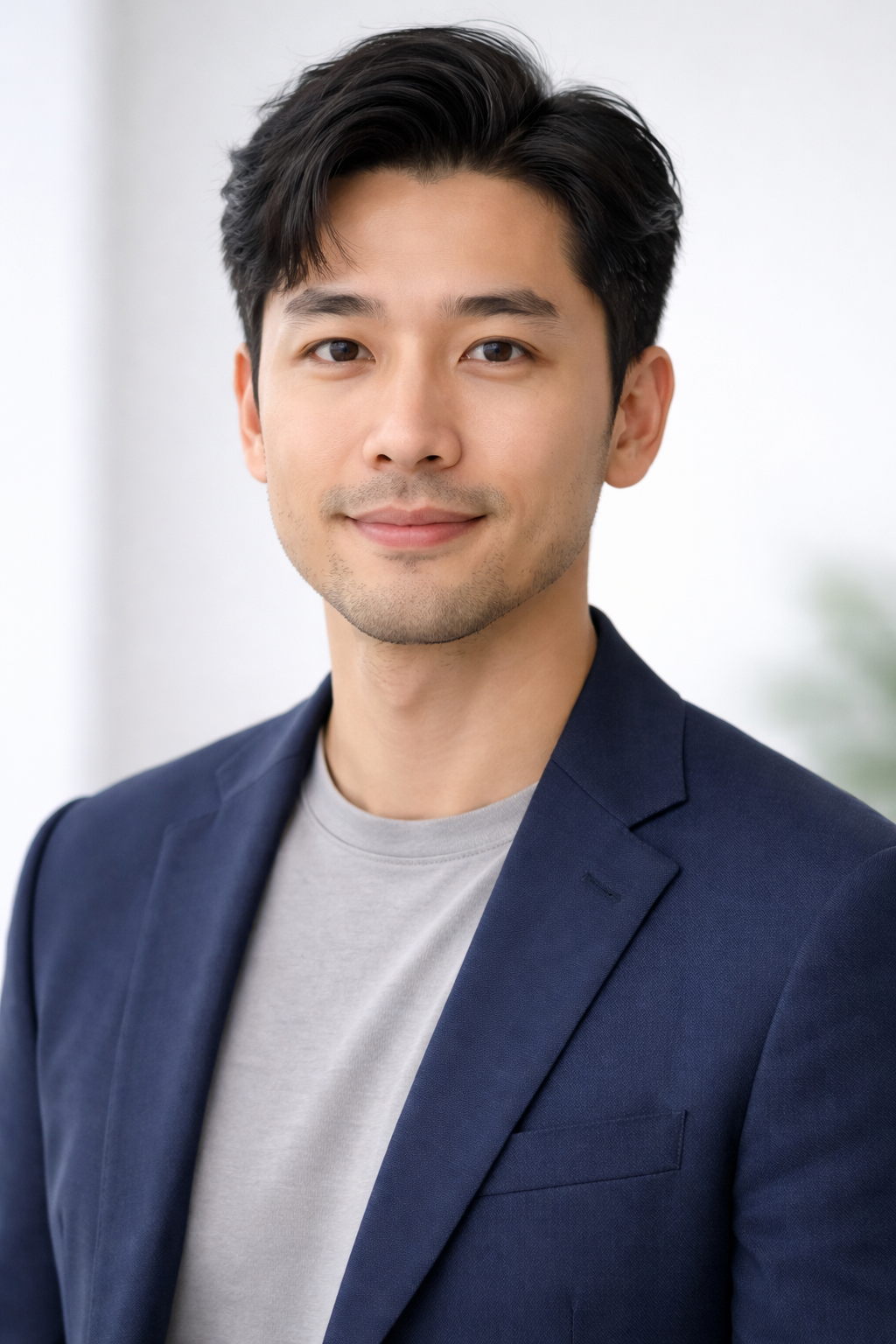
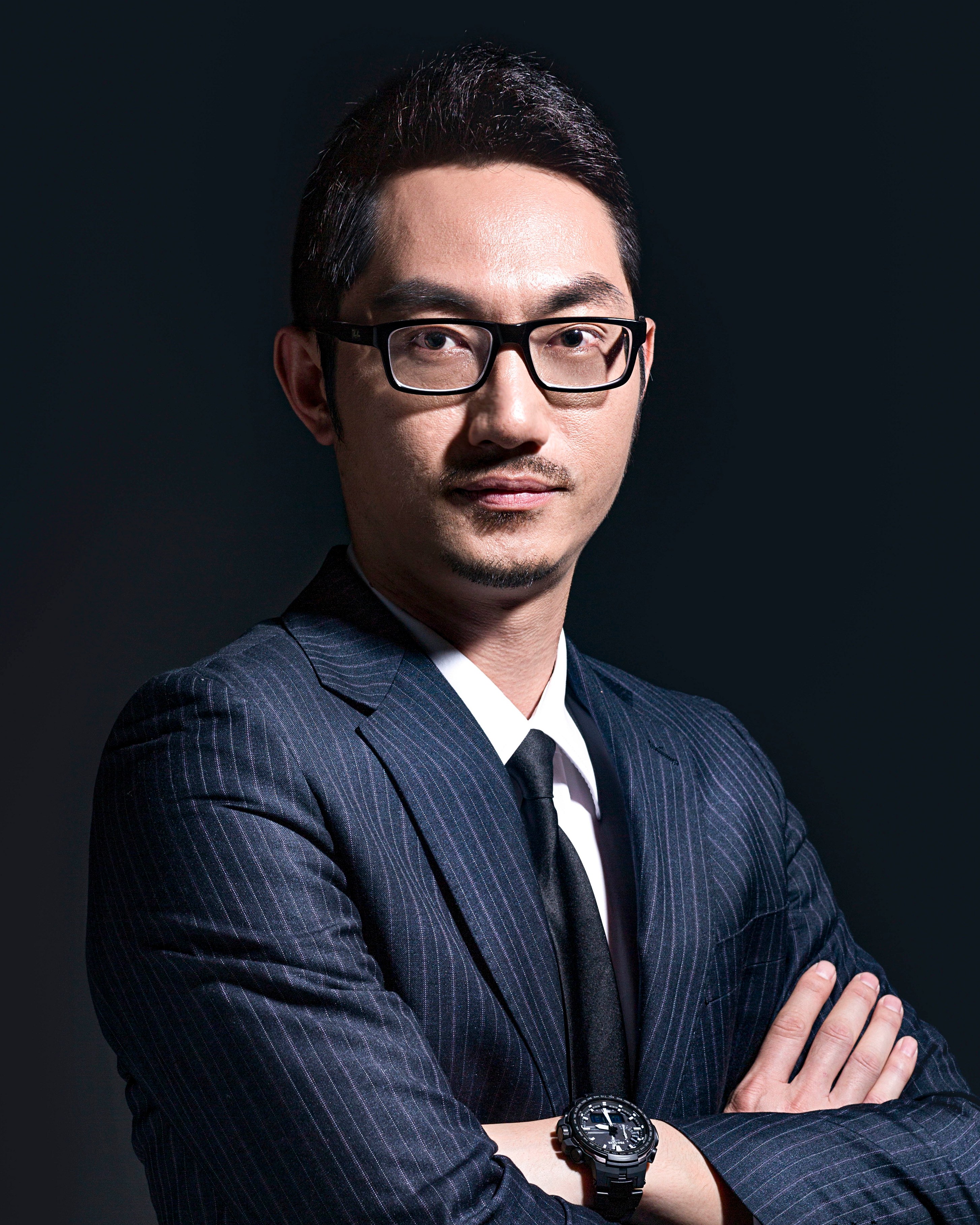
Liang Wen-feng, the founder of Chinese AI company DeepSeek, has been recognized by Nature as one of its top ten scientists of the year, hailed as a "Tech Disruptor." The publication highlighted DeepSeek's AI models, noting that the company's work has "amazed the world."
Abstract representation of advanced AI, showing a glowing digital brain with neural pathways.
The announcement comes after DeepSeek released its R1 model in January, which Nature described as demonstrating that the perceived gap in AI leadership between the United States and other nations was not as wide as many experts believed. Liang, a 40-year-old former financial analyst, reportedly funded DeepSeek's establishment in Hangzhou in 2023 with capital generated from applying AI algorithms to the stock market. Despite his company's high profile, Liang maintains a low personal profile, having declined an interview request from Nature.
DeepSeek's Open-Source Impact
The R1, a large language model (LLM) specializing in reasoning, excels at breaking down complex problems in areas like mathematics and programming into manageable steps. It was the first such model to be released with open weights, allowing researchers to download and build upon it freely. This open-source approach has benefited researchers seeking to adapt algorithms for their specific fields and appears to have spurred other companies in both China and the U.S. to release their own open-source models.

Open book with glowing code and equations, representing open-source AI research.
While R1's capabilities are comparable to leading American models, including those powering ChatGPT, AI experts note its significantly lower training costs. For instance, Meta's Llama 3 405B model reportedly costs over ten times more to train. DeepSeek further demonstrated its commitment to transparency by fully disclosing the technical details of R1's development and training last September, making it the first mainstream LLM to undergo peer review. Adina Yakefu, a researcher at HuggingFace, a New York-based community AI platform, stated that DeepSeek has had a "huge impact" in many respects.
From Rural Roots to AI Innovation
Liang's upbringing in a rural Guangdong village, with both parents as elementary school teachers, contrasts with his current position in the AI field. He earned a master's degree in engineering from Zhejiang University in 2010, where his thesis focused on designing algorithms for object tracking in videos. He later co-founded the hedge fund High-Flyer in 2015, applying his interest in AI to financial markets, before spinning off DeepSeek in 2023.

Close-up of a glowing GPU chip, symbolizing the hardware essential for AI training.
DeepSeek's development of LLMs occurred despite U.S. export controls that restricted Chinese companies from acquiring certain powerful computer chips, specifically Nvidia's Graphics Processing Units (GPUs), essential for training LLMs. Liang, however, had amassed a substantial supply, having purchased 10,000 Nvidia GPUs over the past decade out of curiosity for research possibilities. In a 2023 interview with Chinese media company 36Kr, he likened these purchases to buying a piano for a home, affordable and ready for use by a group eager to play.
Pursuing Artificial General Intelligence
Like many Western AI entrepreneurs, Liang aims to achieve Artificial General Intelligence (AGI), an AI system capable of matching human cognitive tasks. According to former DeepSeek researcher Benjamin Liu, the company's structure is designed around this goal, prioritizing individual potential over experience in hiring—one author of the DeepSeek R1 paper is reportedly still in middle school. The company maintains a flat organizational structure, allowing researchers to autonomously determine their research directions. Liu also noted that Liang is deeply involved in research, treating even interns as full employees with significant responsibilities.
Kwan Yee Ng, Head of International AI Governance at Concordia AI, an AI safety consulting firm, has expressed admiration for DeepSeek's operations, particularly its focus on solving fundamental and challenging problems in AI research rather than solely pursuing commercial success.
DeepSeek's models have become integrated into daily life in China, with local governments using them for chatbot hotlines and assisting citizens with form completion. Millions of people use these models daily via the social media platform WeChat. This trend is partly driven by government initiatives to integrate AI into economic development through applications such as smart cities and healthcare. Liang and other Chinese researchers view DeepSeek as a symbol of China's transition from an imitator to an innovator. DeepSeek researcher Yu Wu affirmed that this transformation is "real and accelerating." The company's next-generation reasoning model, R2, is anticipated, though rumors suggest delays due to hardware and training data issues. DeepSeek plans to release R2 globally for free, with Yu Wu emphasizing, "We are committed to permanent open source."

Futuristic cityscape with digital interfaces, illustrating AI integration into daily life.
Nature's Other Honorees
Nature's annual Top 10 People list aims to document significant scientific trends and discoveries, highlighting influential research and major advancements. Liang Wen-feng is recognized as a "Tech Disruptor" for DeepSeek's LLM, which Nature states "shocked the world" and is a "great boon for scientists."
Another Chinese national, Du Mengran, a researcher at the Institute of Deep-sea Science and Engineering, Chinese Academy of Sciences, was also named to the list as a "Deep Diver." She was recognized for discovering the deepest animal ecosystem on Earth, more than 9,000 meters below sea level, where she "witnessed sights never before seen by the scientific community" while piloting the "Fendouzhe" submersible into the Kuril-Kamchatka Trench.
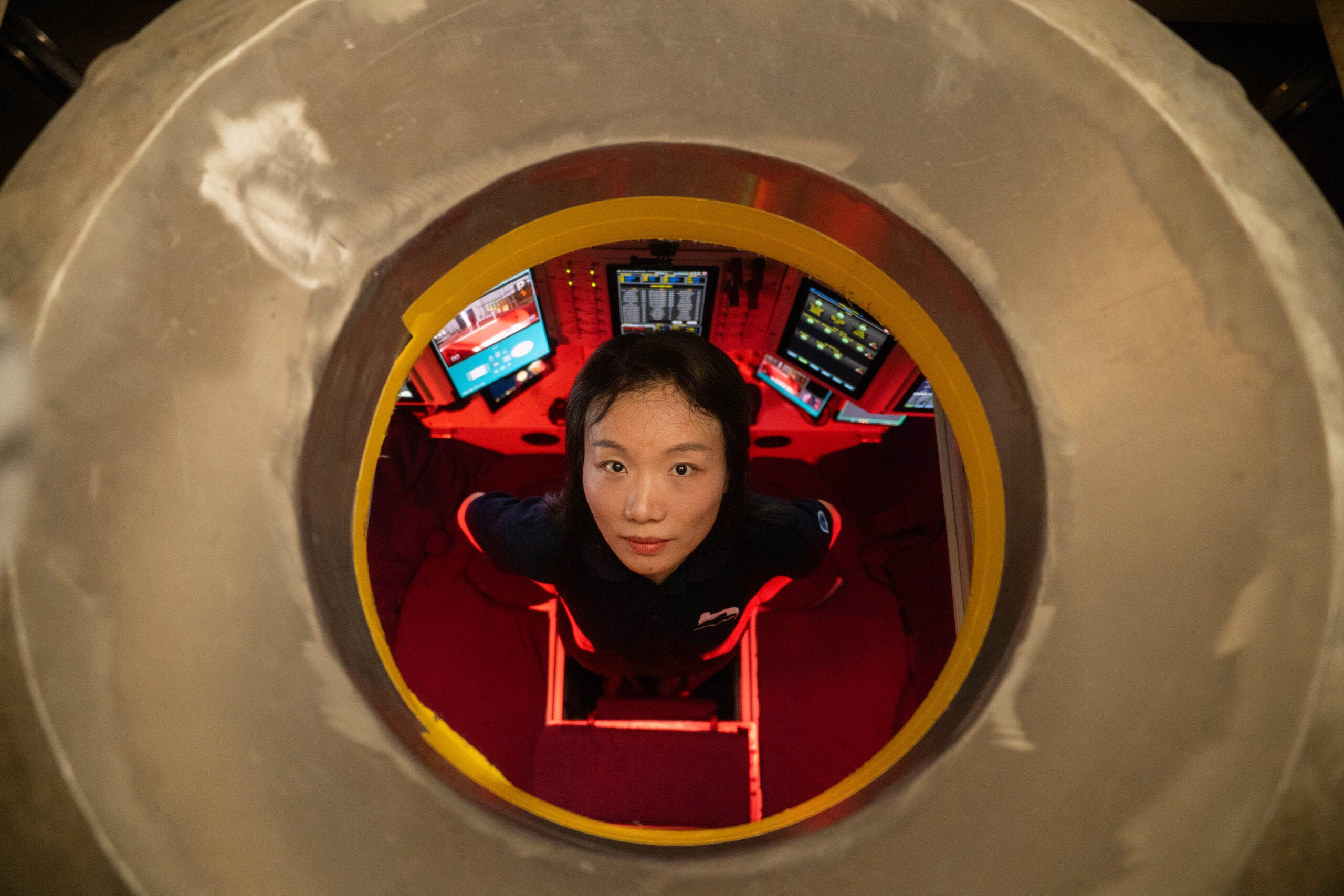
Du Mengran, a 'Deep Diver,' recognized by Nature for her deep-sea discoveries.
Other individuals on Nature's Top 10 list include:
Susan Monarez: An American microbiologist and immunologist, recognized for upholding scientific integrity as the first Senate-confirmed CDC director.
Achal Agrawal: A scholar who exposed high rates of paper retractions in Indian universities, advocating for reforms in academic research integrity.
Tony Tyson: A pioneer who led the construction of the Vera C. Rubin Observatory telescope in Chile, expected to advance research in dark matter and dark energy.
Precious Matsoso: A negotiator who facilitated the world's first Pandemic Treaty, aiming to enhance global cooperation in pandemic preparedness.
Sarah Tabrizi: A researcher whose team made critical progress in treating Huntington's disease, successfully slowing its clinical progression.
Luciano Moreira: A breeder who cultivated billions of mosquitoes in Brazil to combat infectious diseases like dengue fever by releasing Wolbachia-infected mosquitoes.
Yifat Merbl: A peptide detective who discovered a new aspect of the immune system, revealing that cellular "waste disposal sites" can produce antimicrobial peptides.
KJ Muldoon: The first patient to receive "ultra-personalized" CRISPR base-editing therapy for a fatal genetic condition, opening new avenues for treating rare diseases.
Stay Ahead of the AI Curve
Join 50,000+ subscribers getting the latest AI tools, trends, and tutorials delivered to their inbox weekly.
No spam, unsubscribe at any time.