
Clawdbot AI Assistant Drives Mac Mini Sales and Redefines Personal Automation


An open-source AI project named Clawdbot has gained significant traction in Silicon Valley, leading to increased demand for Apple's Mac mini. Developed by Peter Steinberger, Clawdbot functions as a 24/7 AI assistant with continuous memory and proactive task execution capabilities.
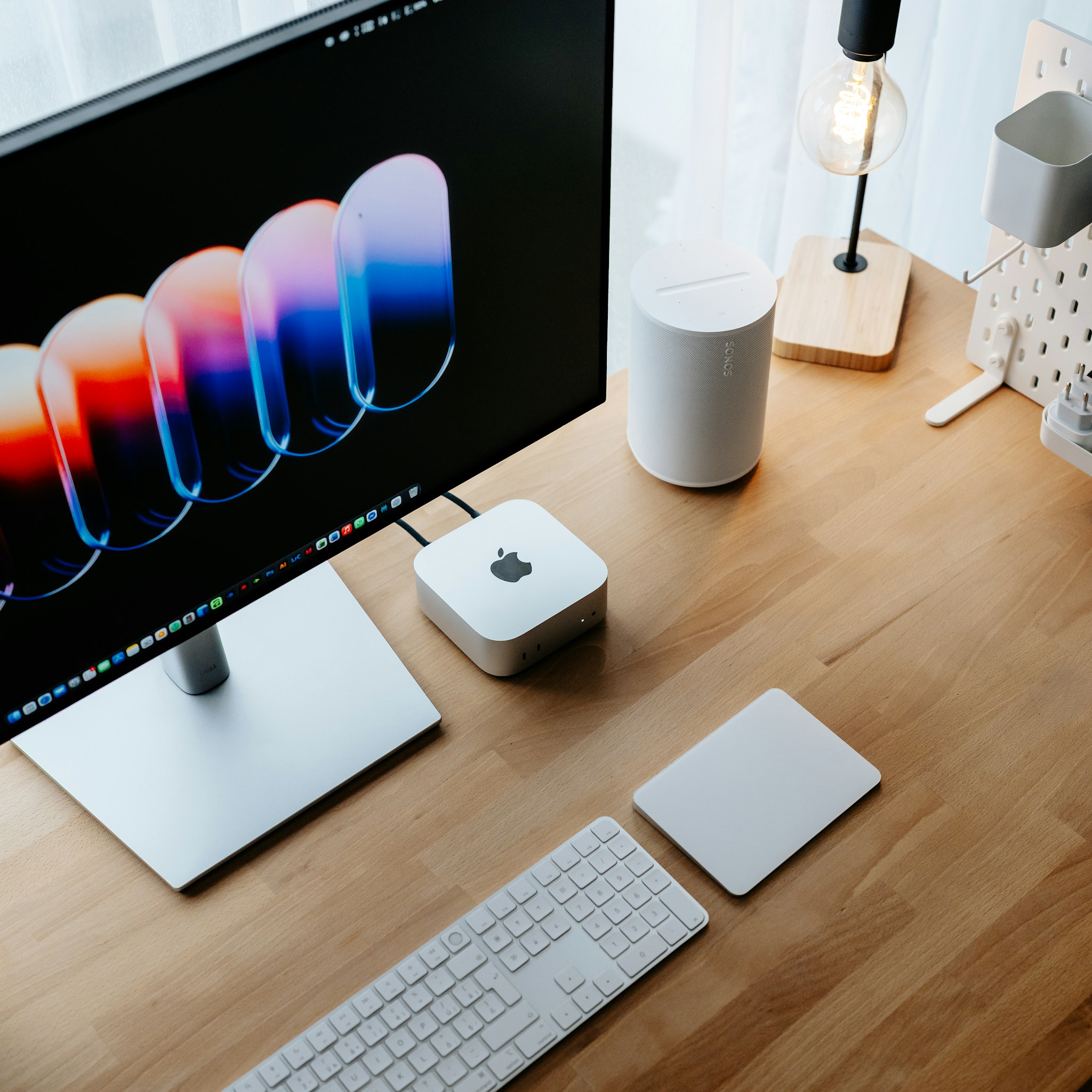
A modern desk setup featuring an Apple Mac mini, keyboard, and monitor, illustrating a local AI workstation.
The system operates as a local AI agent, capable of integrating with various large language models such as Claude and Gemini, and acting as a gateway for communication through chat applications like WhatsApp and iMessage. Its ability to run efficiently on a Mac mini has reportedly contributed to the device's recent sales surge.
Clawdbot's Core Functionality and Impact
Clawdbot's primary appeal stems from its ability to address a key limitation of many large language models: memory. Users report that the system retains information from past interactions, even those mentioned weeks prior. This feature has led to widespread adoption within the tech community, with developers sharing configurations and tutorials for the AI.
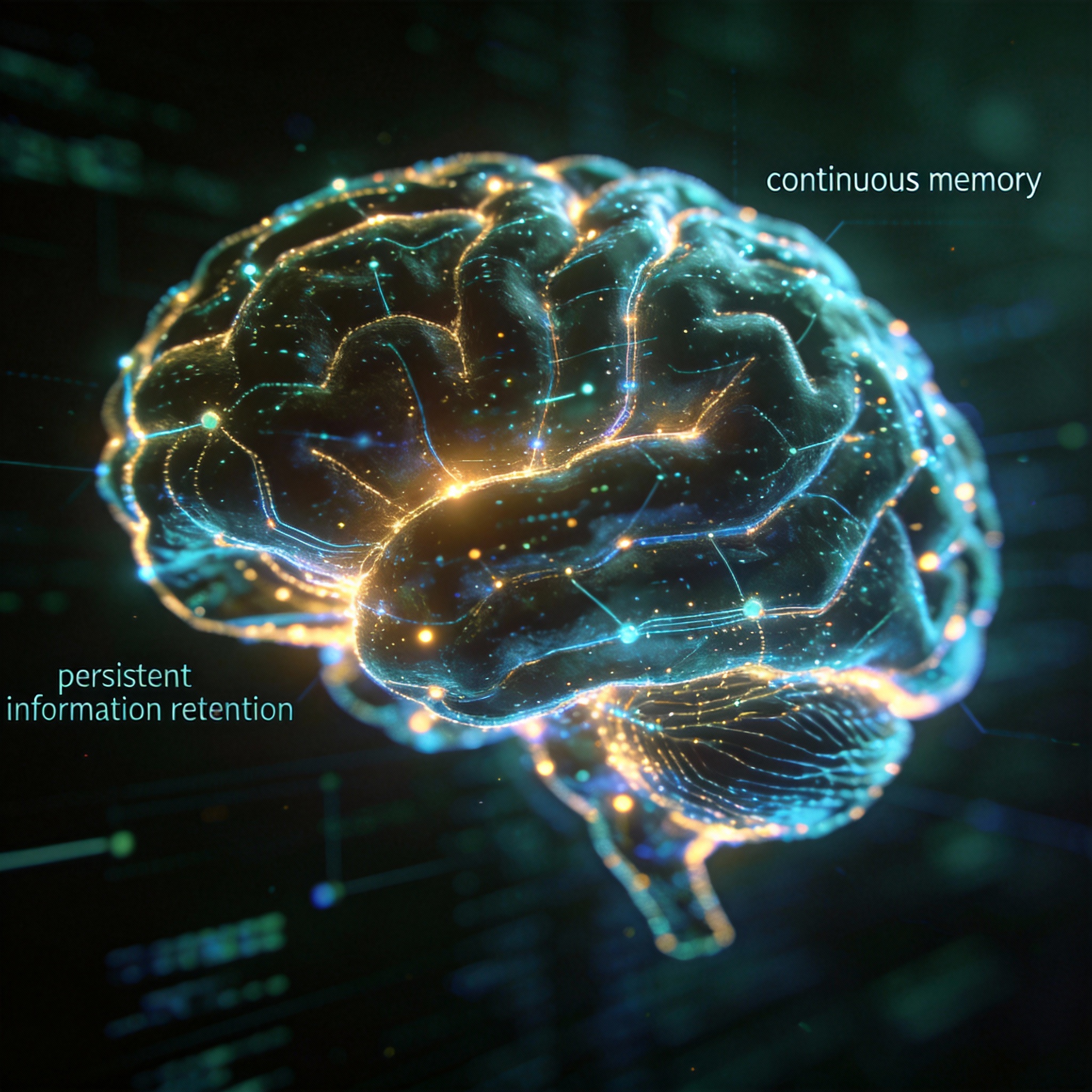
Abstract glowing neural network symbolizing AI memory and information retention.
The project originated from Steinberger's "Clawdis" concept, an "omnipotent personal butler" he described in an article late last year. This initial vision included full access to personal computers, communications, and integration with home automation systems for controlling devices like cameras, lights, and thermostats.
Clawdbot, an open-source project, has garnered significant attention on GitHub, accumulating nearly 9,200 stars and 1,200 forks. Its design emphasizes local operation, with settings, memories, and instructions stored as files on the user's hard drive. While it requires an internet connection to call large language models, most of its operations are local, granting it access to the computer's shell and file system. This capability allows Clawdbot to execute terminal commands, write and run scripts, and install new functionalities.
Close-up of a circuit board with projected code, representing local AI operations and system access.
Real-World Applications and User Experiences
Developers have demonstrated Clawdbot's practical applications across various domains:
Business Management: Dan Peguine utilized Clawdbot to manage his parents' tea business, automating tasks such as scheduling, client follow-ups, inventory management, and customer service. He noted the system's ability to learn and improve over time.
Home Automation: Nimrod Gutman developed an automated home assistant with Clawdbot that intelligently adjusts boiler run times based on recent weather data.
Data Scraping and Content Creation: Andrew Jiang, a developer for the AI browser Arc, used Clawdbot to scrape 4 million tweets from 100 top X (formerly Twitter) accounts within 24 hours, subsequently collaborating with a writing AI agent to refine content.
Personal Automation: Federico Viticci, a developer, described how Clawdbot generated images using a Google model and even changed its avatar based on his command. He also tasked Clawdbot with replacing his Zapier automation services by setting up a cron job on his Mac mini to check RSS feeds and create Todoist tasks, all executed locally by the AI.
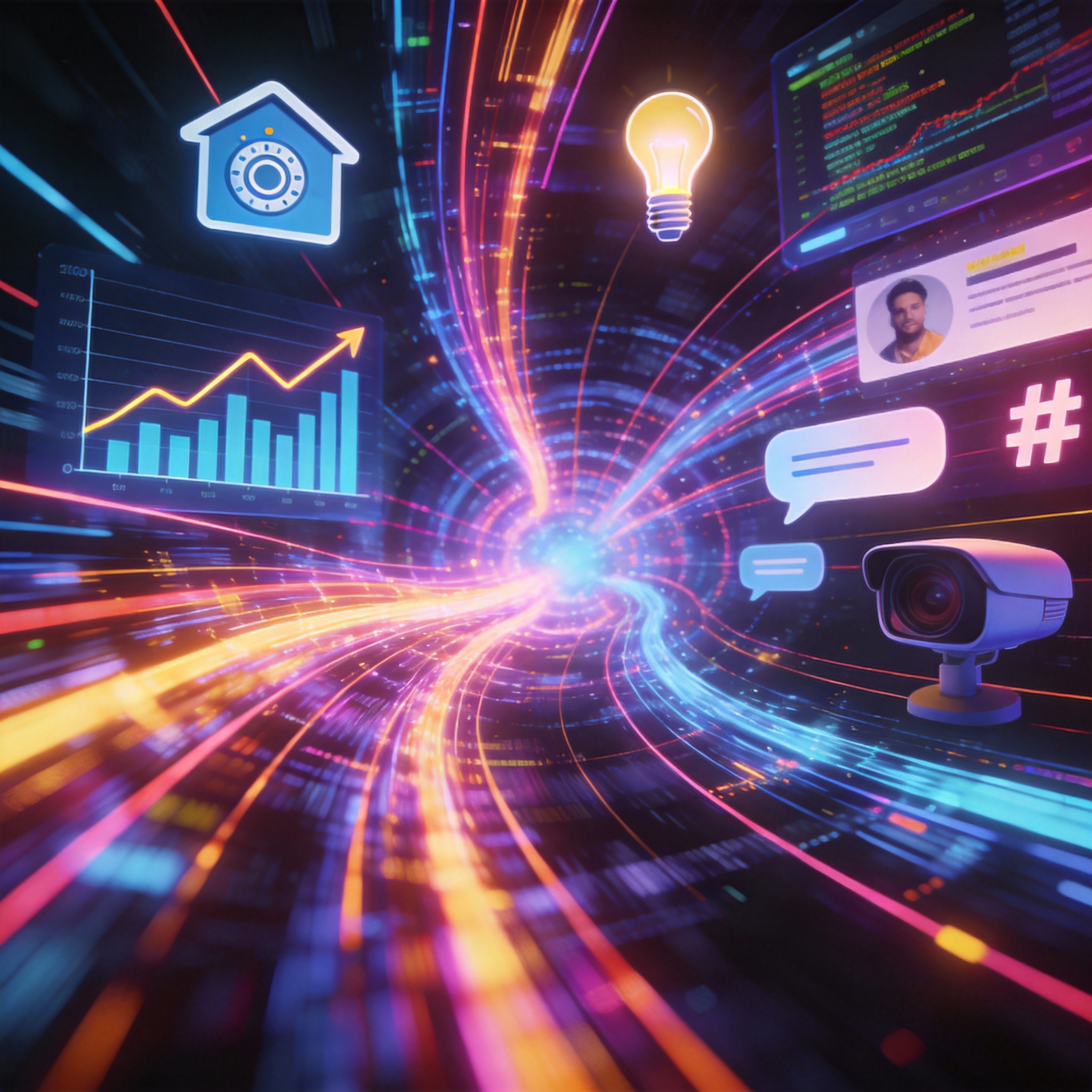
Dynamic visual of converging data streams and icons, symbolizing diverse AI applications.
Accessibility and Cost Considerations
Despite the trend of users acquiring multiple Mac minis to run Clawdbot, its creator, Peter Steinberger, clarified that dedicated hardware is not strictly necessary. The system can run on a virtual private server (VPS), older MacBooks, gaming PCs, or even a Raspberry Pi.
The estimated monthly cost for running Clawdbot ranges from approximately $25 to $150, encompassing server fees (potentially $0 if run on a personal computer) and AI subscription costs for models like Claude Pro. The software itself is open-source and free.
Clawdbot distinguishes itself from conventional AI assistants like ChatGPT and Siri through its persistent memory, proactive engagement, and direct computer control. Unlike chat interfaces that require active user input, Clawdbot can initiate communications, provide alerts, and execute tasks such as email management, form filling, and file operations.
Glowing digital brain contrasting with a faded chatbot icon, symbolizing advanced AI vs. traditional assistants.
Installation involves a single command-line instruction, followed by a setup wizard to connect chat software. While some technical understanding is beneficial, the community is actively working to simplify the setup process.
Stay Ahead of the AI Curve
Join 50,000+ subscribers getting the latest AI tools, trends, and tutorials delivered to their inbox weekly.
No spam, unsubscribe at any time.