
Claude Code's Internal Development Guide Reveals Parallel Processing and AI-Driven Review Techniques

An internal guide for Claude Code, developed by Boris Cherny, details advanced programming workflows that emphasize parallel processing, AI-assisted planning, and structured memory management. These methods aim to enhance developer productivity and code quality beyond conventional AI-assisted coding practices.

Developer's desk showing multiple code editors open, representing parallel Git Worktree sessions.
Parallel Development with Git Worktrees
Cherny's approach addresses the common inefficiency of developers waiting for AI responses or code execution results. His team utilizes Git Worktrees to enable parallel development streams. Instead of a single AI interaction, developers can establish multiple independent Claude sessions, each linked to a separate Git Worktree.
This setup allows for simultaneous operations: one session can run time-consuming tests, another can focus on bug fixes, and a third can develop new features. Git Worktrees enable multiple working directories under a single repository, sharing the same .git folder. This structure facilitates task switching without mixing branches, changes, or chat logs, ensuring cleaner context management and easier reversion of changes. The official Claude Code documentation provides further details on this workflow.
"Gu-style" Development for Enhanced Code Quality
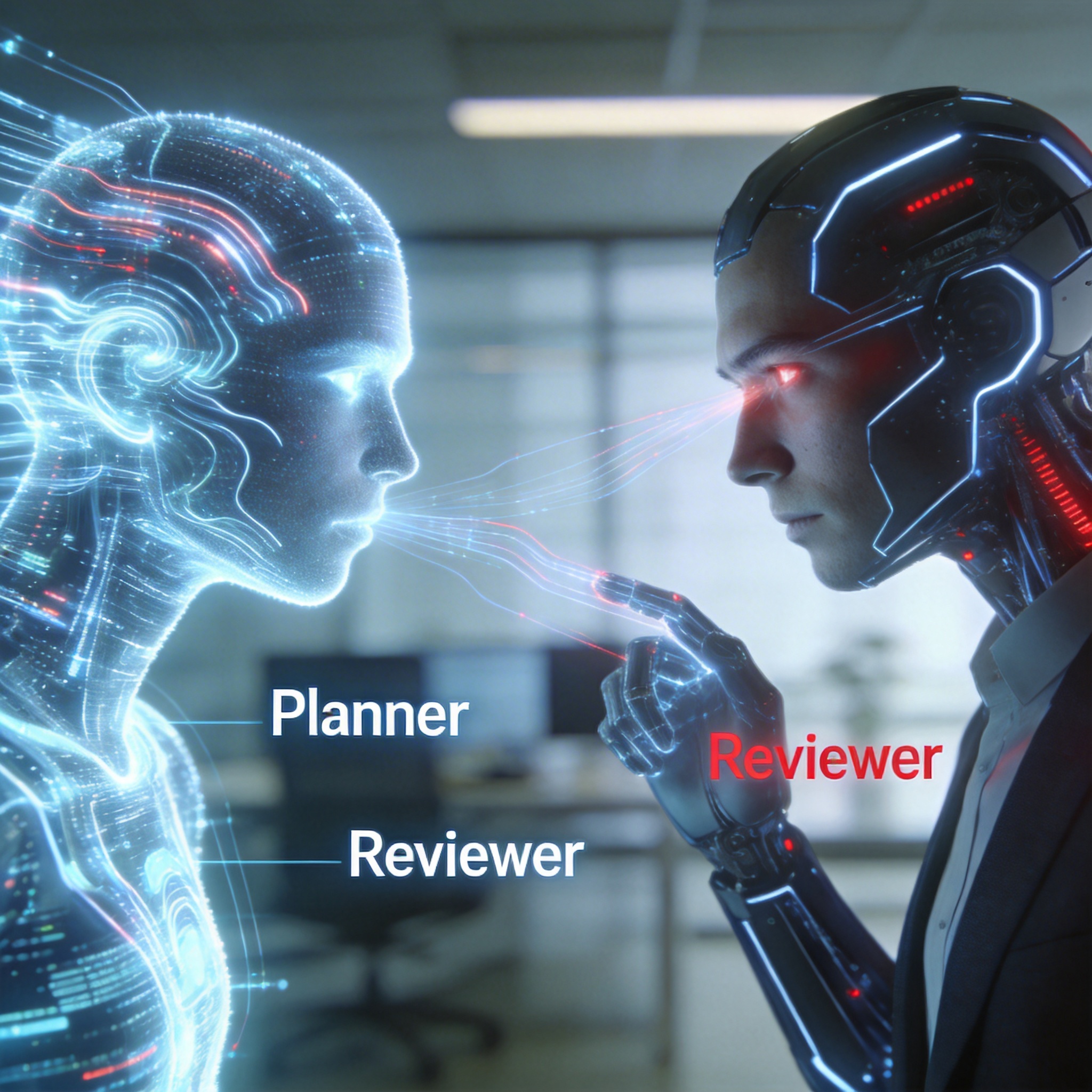
Two AI interfaces, one planning and one reviewing, symbolizing 'Gu-style' development.
For complex tasks, Cherny's team employs a "Plan Mode" strategy, which involves a multi-stage AI interaction process. This method, described as "Gu-style" development, leverages one Claude instance for initial planning and implementation, while a second Claude acts as a dedicated reviewer.
The reviewer Claude, operating with a clean context, specifically scrutinizes boundary conditions, error handling, style consistency, and maintainability. Its comments are then fed back to the first Claude for revisions. This "plan first, then execute; implement first, then review" cycle is designed to significantly improve the quality of generated code. Cherny cautions against the indiscriminate use of this method, noting that it can increase "code entropy" if not managed carefully. If a task deviates, the process requires reverting to Plan Mode to redefine the problem before proceeding.
Persistent Memory with CLAUDE.md

Laptop screen displaying a 'CLAUDE.md' file with structured documentation for AI memory.
A core tenet of Cherny's methodology is the use of a CLAUDE.md file as an external memory for the AI. This file serves as a project's "construction manual," documenting preferred code styles, directory conventions, common commands, and encountered pitfalls.
By populating CLAUDE.md with accumulated knowledge and corrected errors, developers can prevent the AI's intelligence from resetting with each new session. This practice reduces repetitive communication and ensures that the AI learns from past interactions. A common workflow involves running a "technical debt cleanup" after each development round, where the AI identifies and prioritizes small, easily solvable issues for inclusion in CLAUDE.md.
Streamlined Communication with MCP Protocol

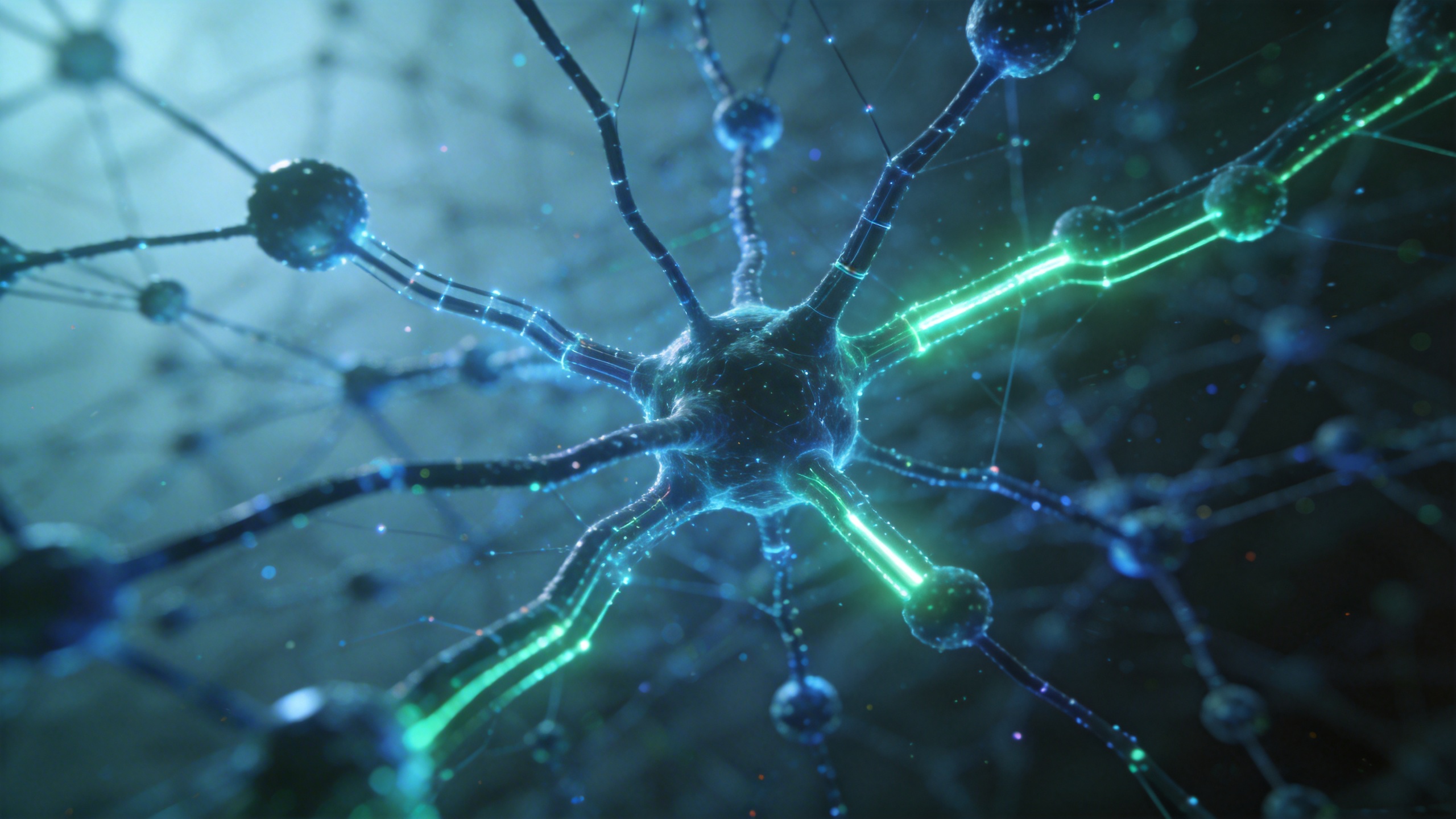
Abstract network showing communication channels integrating into a central AI core, symbolizing MCP Protocol.
To minimize internal communication friction, Cherny advocates for connecting development contexts through an "MCP Protocol." This approach aims to integrate discussions from platforms like Slack and logs from continuous integration (CI) systems directly into the AI's workflow.
Instead of manually copying information or taking screenshots, developers can enable the AI to read relevant contexts, call appropriate tools, clarify problems, and suggest actionable changes. This integration is intended to save developer attention by automating the synthesis of information across different communication and development tools. Cherny emphasizes that the overarching principle is to avoid micromanagement by clearly breaking down tasks, running them in parallel, and systematically accumulating experience.
Stay Ahead of the AI Curve
Join 50,000+ subscribers getting the latest AI tools, trends, and tutorials delivered to their inbox weekly.
No spam, unsubscribe at any time.