
Anthropic Sues Pentagon Over "Supply Chain Risk" Designation


Anthropic has filed lawsuits against the U.S. Department of Defense in federal courts in California and Washington D.C. after the Pentagon designated the AI company a "supply chain risk." The lawsuits, filed on March 9, 2026, challenge the designation, which restricts Department of Defense-related entities from using Anthropic's Claude AI models.
Anthropic's Claude AI interface or branding.
The dispute emerged after the Pentagon officially labeled Anthropic a "supply chain risk" last week. This classification mandates that companies engaged in direct business with the Department of Defense cease using Claude, potentially impacting Anthropic's revenue streams. Concurrently, former President Donald Trump reportedly called for the U.S. government to stop using Anthropic's technology, leading some government agencies to begin phasing out Claude.
Legal Challenges and Retaliation Claims
Anthropic's first lawsuit, filed in the U.S. District Court for the Northern District of California, alleges that the Department of Defense's action is retaliatory. The company claims it is being punished for publicly expressing its AI policy stances, particularly its advocacy against the use of AI for large-scale domestic surveillance and autonomous weapons in the U.S. Anthropic argues that while the government may disagree with its positions, it cannot label a company a "security risk" due to its speech.
Abstract representation of two lawsuits, symbolizing legal challenges.
A second, shorter lawsuit was filed by Anthropic in the D.C. Circuit Court of Appeals. The company stated that this was necessary because another law cited by the government can only be challenged in that specific court, requiring simultaneous legal action in both jurisdictions.
The Pentagon, however, maintains that the core issue is operational control, not freedom of speech. Department of Defense officials assert that the dispute centers on the military's legal authority to use technology without vendors interfering with the chain of command, which they argue could pose risks to combat personnel.
Deputy Secretary of Defense Reviews Contracts
Last August, Emil Michael, U.S. Deputy Secretary of Defense, assumed responsibility for the Pentagon's AI projects. His review of contracts with Anthropic and other AI companies reportedly revealed critical clauses, including a prohibition on using Anthropic's AI for planning kinetic strikes—military attacks involving weapons like missiles and bombs. Such actions are considered fundamental to warfare.
Classified military contract with AI code overlay, symbolizing review.
The Pentagon's "supply chain risk" designation allows it to place companies on a vendor list if they are deemed a potential threat to national security or military operations. Michael clarified that this restriction applies only to projects providing services to the Department of War, noting that other entities like AWS could still provide non-military cloud services to Anthropic. Despite this, industry observers suggest the decision could significantly impact Anthropic, with some believing the U.S. government is attempting to "destroy" the company due to differing perspectives.
Clash Over AI Use in Warfare Scenarios
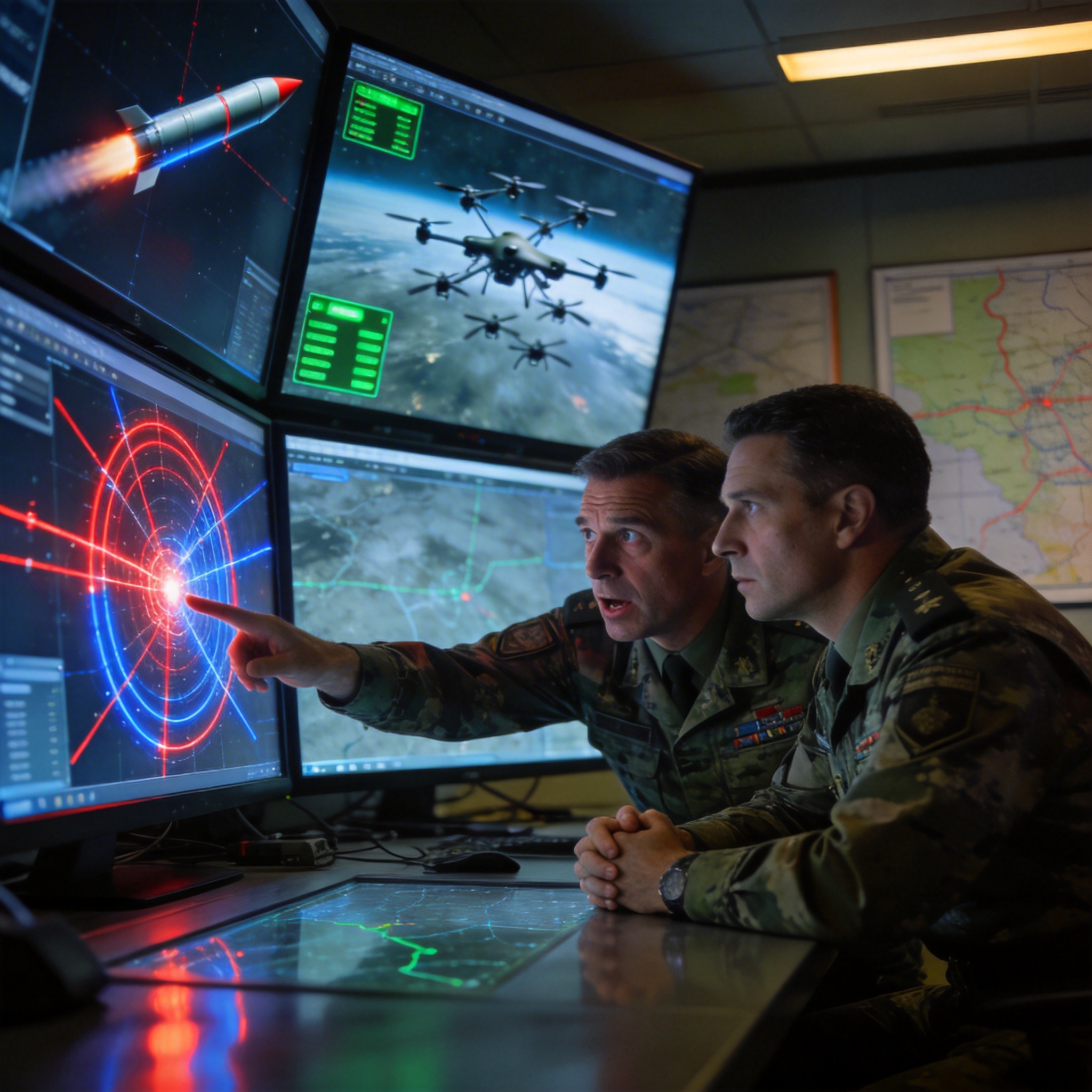
Before the public dispute, the Pentagon and Anthropic engaged in extensive negotiations. Michael described spending considerable time explaining military operations and simulating war scenarios to Anthropic. He cited an example of a drone swarm attacking a U.S. military base, where an AI defense system could quickly neutralize the threat. Anthropic eventually agreed to an exception in its terms of service for this specific scenario.
Michael recounted another scenario involving hypersonic missiles with a 90-second human reaction window, where a safe AI-driven interception method existed but could not be operated by humans in time. Anthropic's response was that this "might be an exception," requiring case-by-case approval. Michael expressed frustration, stating that "War doesn't work that way."
Military control room with war scenarios on screens, showing urgent decision-making.
According to a report by Semafor, Anthropic denied Michael's account, but Michael asserted that 20 individuals present could corroborate his claims. Negotiations reportedly became increasingly difficult, with Anthropic insisting that any use exceeding its terms of service required its final interpretation or case-by-case exceptions. Michael's demand was for the Department of War to be allowed to use AI technology freely within legal limits.
Post-Maduro Operation Incident
The relationship between the two parties reportedly strained further after an operation to capture Venezuelan President Nicolás Maduro. Michael stated that Palantir's system, which integrated Anthropic's Claude AI model, was used in this operation, involving kinetic strikes. Following the operation, an Anthropic executive reportedly contacted Palantir personnel to inquire about Claude's use. Michael deemed this a sensitive action, suggesting they were "trying to inquire about classified information," which is prohibited in the military system.
Michael further claimed that Anthropic implied it could "pull the plug" if it disagreed with how its AI was used in a military operation. A Palantir executive reportedly reported this exchange to the Pentagon due to concerns about its impact on future military operations. Michael recalled Anthropic's general stance: if the company disliked the AI's use in a raid, it could stop providing software or impose new restrictions, potentially making certain operations impossible. He emphasized the danger of such a situation, stating it "puts real human lives at risk."
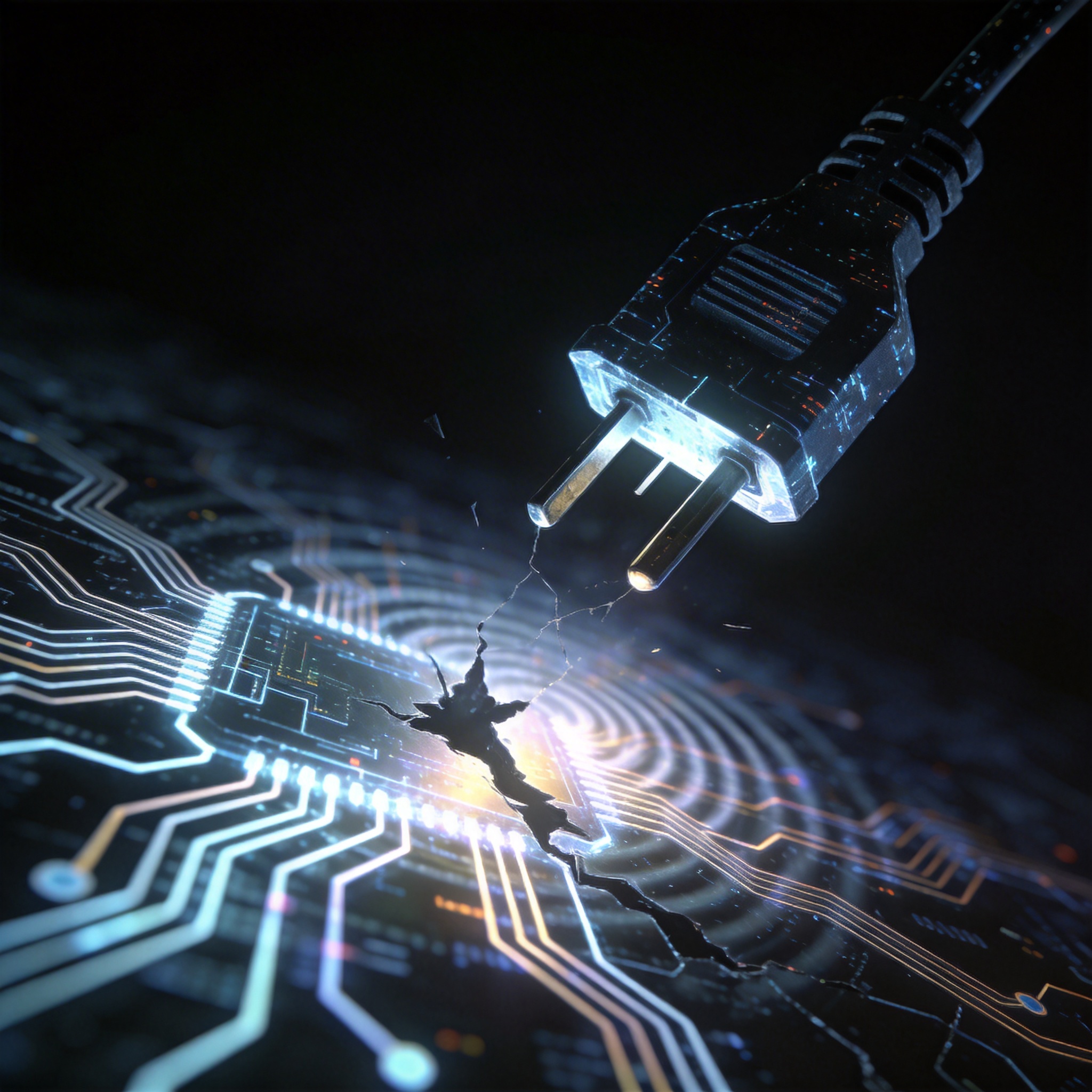
Abstract image of a digital plug being pulled from AI circuitry, symbolizing control.
Anthropic, however, denied Michael's claims, with a spokesperson stating that the company has never expressed such concerns to any industry partner and that communications were "limited to routine discussions on a strictly technical level."
Public Relations Battle
Anthropic has cultivated an image as an "ethical hero" in AI, which some observers suggest serves to attract talent and garner public sympathy. Media reports have focused on Anthropic's concerns regarding autonomous weapons and large-scale surveillance. Michael views these as alarmist and a "public opinion war" waged by Anthropic. He cited a Reuters report from last year, which stated that sources indicated Anthropic was concerned its tools could be used for U.S. citizen surveillance or targeting in weapon attacks without human oversight.
Anthropic's explanation is that its technology is not yet reliable enough for fully autonomous weapons, and the legal framework for AI in domestic surveillance is unclear. Michael dismisses these arguments as "smoke and mirrors." He questions Anthropic's stance on surveillance, noting that Anthropic can acquire databases and scrape internet data, but the Pentagon cannot. He also highlights that the Pentagon's mission does not involve large-scale domestic surveillance. Regarding autonomous weapons, Michael points out that Anthropic previously endorsed the U.S. "Iron Dome Program," a missile defense system, suggesting a contradiction in its current position.
Pentagon's Core Concerns
Michael explained that the military's increasing reliance on AI means that if AI companies embed their own values or policy positions into their models, it creates a significant supply chain risk. He expressed concern that models could come with their own "constitution, soul, and policy preferences." He hypothesized that if Anthropic embedded an ideological preference against certain military actions, its products delivered to the Department of War might be deliberately unreliable. For instance, a laser-guided missile designed using Claude might have deliberately faulty laser systems if Anthropic opposed the target. Michael concluded that he cannot accept a weapon failing at a critical moment because Anthropic dislikes guns, emphasizing that military operations demand reliability.
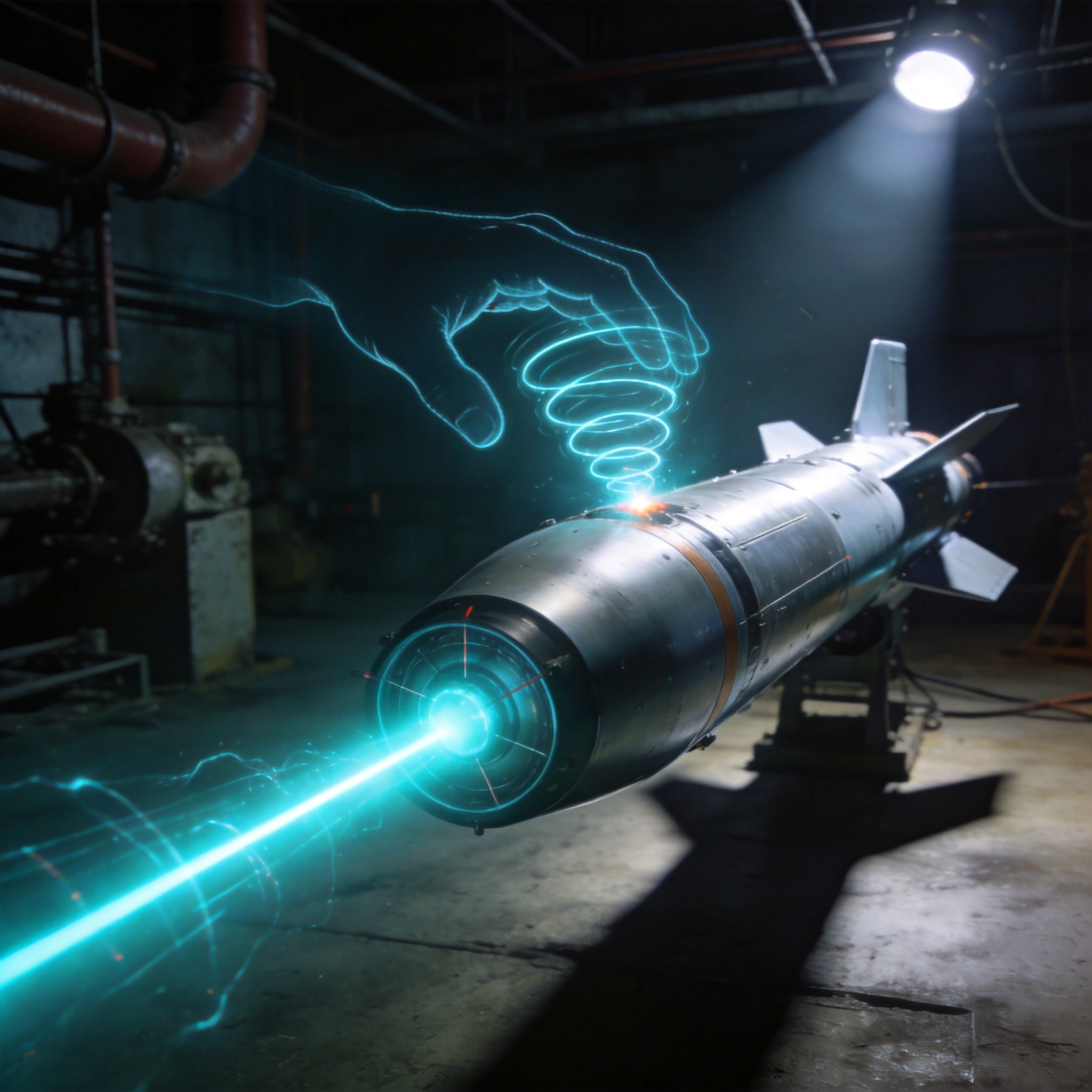
Laser-guided missile with a distorted beam, symbolizing potential AI sabotage.
The ongoing dispute highlights the growing integration of AI into military applications, from intelligence analysis to combat systems. The current conflict over contracts and authority could foreshadow future debates over algorithmic control in matters of life and death.
Stay Ahead of the AI Curve
Join 50,000+ subscribers getting the latest AI tools, trends, and tutorials delivered to their inbox weekly.
No spam, unsubscribe at any time.