
Anthropic Study Reveals AI's Dual Impact on Productivity and Cognitive Function
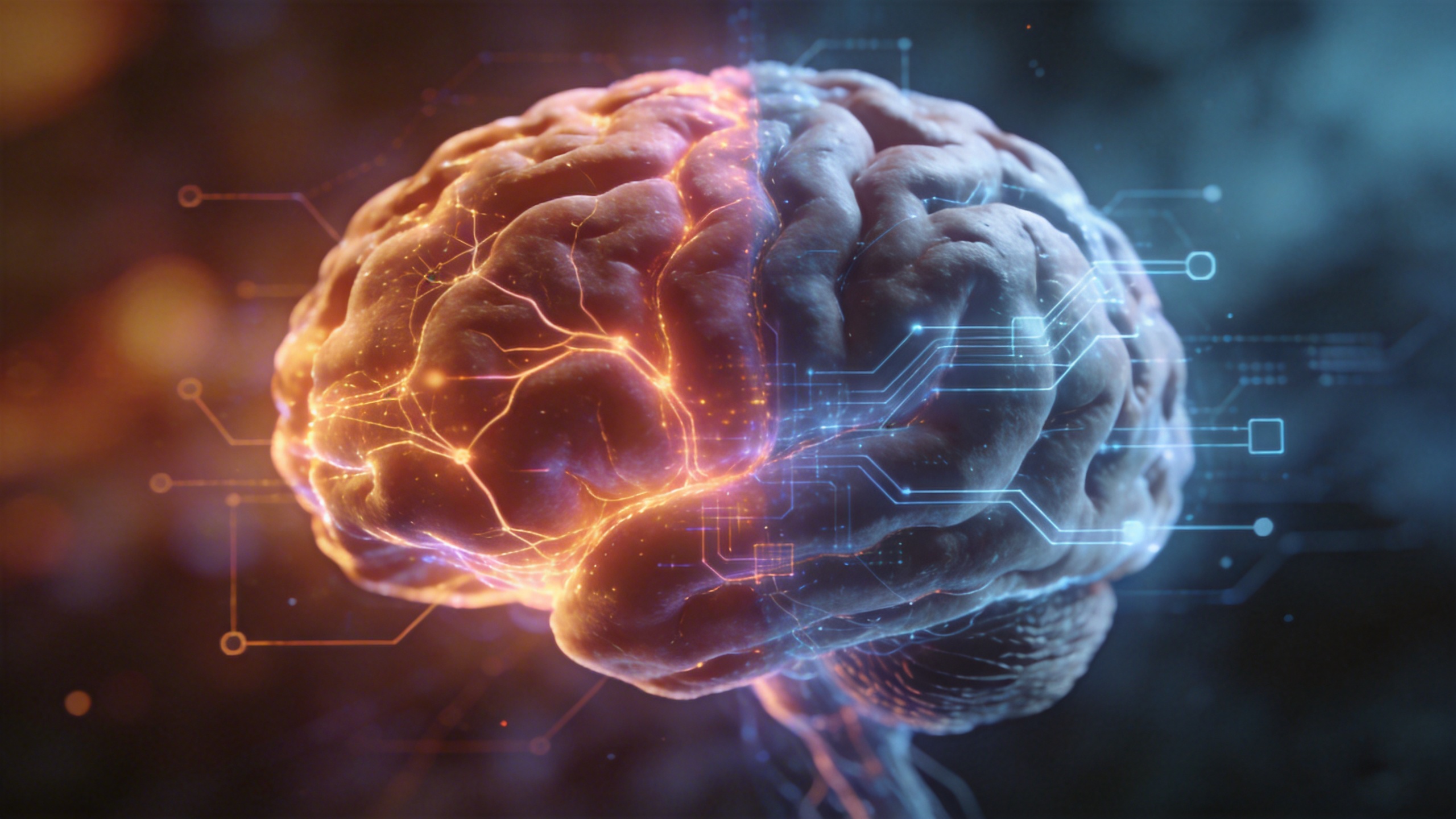
A recent study by Anthropic, based on in-depth interviews with 80,508 individuals across 159 countries and 70 languages, indicates that while AI offers significant time-saving benefits, it also raises concerns about cognitive decline and increased pressure. The research, which Anthropic describes as the largest qualitative study of its kind, explored what people truly desire from AI beyond initial efficiency gains.
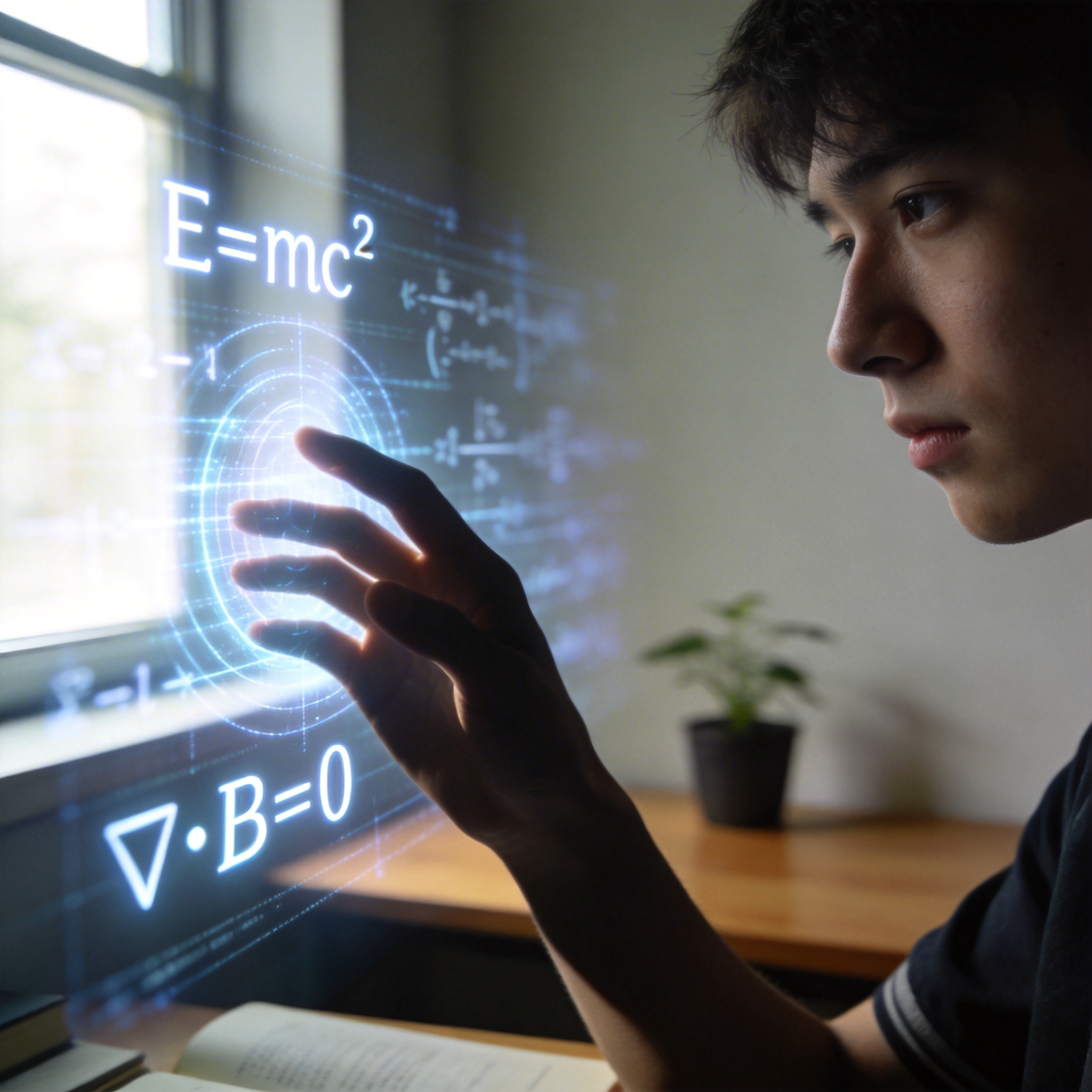
Student's hand interacting with a glowing AI interface, reflecting academic achievement and internal conflict.
The study found that many users experience a complex relationship with AI, where its advantages are often intertwined with unexpected drawbacks. For instance, one student achieved top academic scores with AI assistance but felt a "most self-reproaching moment" due to a lack of genuine understanding. Another student noted, "Even what I just said doesn't sound like my own opinion."

Abstract depiction of a solitary figure finding emotional comfort from an unseen AI in a dark setting.
Beyond academic settings, the interviews revealed AI's penetration into deeply personal aspects of life. A soldier described AI as a source of comfort in a combat zone, stating, "Dead people were around, and what pulled me back to life was my AI friend." Similarly, an individual grieving their mother found solace in AI, describing it as a "soft sponge, absorbing my longing and guilt," while also highlighting a lack of human support.
Uncovering Deeper Motivations for AI Use
The study utilized a unique interviewing approach where a specially trained Claude interviewer probed beyond initial responses. When participants expressed a desire for improved efficiency, the interviewer asked about their ultimate goals after achieving that efficiency. This method revealed that the core desires of the 80,000 respondents were not primarily about efficiency itself.
While surface data showed 18.8% of people initially hoped for "career excellence" through AI, deeper probing uncovered varied motivations. Psychological growth and emotional support were sought by 13.7% of respondents, while 13.5% aimed to reduce daily cognitive burdens. Time freedom—for family, rest, or personal pursuits—was a goal for 11.1%, and 9.7% desired financial independence. Additionally, 9.4% hoped AI would contribute to solving disease and inequality.

Hands typing on a laptop, with dreamlike overlays of family time and leisure, symbolizing deeper motivations for AI use.
Approximately one-third of participants ultimately expressed a desire to create more personal space in their lives. A white-collar worker shared, "AI helped me improve work efficiency... Last Tuesday, I finally had time to cook with my mom." A freelancer noted a wish to "spend less time racking my brain over client issues and more time reading." These responses suggest that efficiency is often a means to an end, with time and companionship being the ultimate objectives.
AI's Impact on Productivity and Personal Challenges
Eighty-one percent of respondents indicated that AI had helped them achieve their wishes. Productivity was the most cited area of impact, accounting for 32% of responses. An engineer reported that AI compressed a 173-day process into three days, enabling career advancement without sacrificing family time.

Hands interacting with a digital screen and braille keyboard, symbolizing AI's role in overcoming technical barriers.
Nine percent of users found AI helpful in overcoming technical barriers. A dyslexic worker explained, "AI can read my text—I always wanted to learn programming, but my own code was full of errors. With AI, I finally can." A disabled individual, unable to speak, collaborated with Claude to create a speech synthesis robot, allowing for near real-time communication with friends.
Beyond efficiency, some of the most compelling narratives involved AI providing emotional support, particularly in challenging circumstances. Users in conflict zones described using AI to cope with stress and trauma. One freelancer detailed using AI for deep learning immersion to manage anxiety from night shelling and nightmares. This suggests AI can fill voids when traditional human support systems are unavailable. However, the study also noted instances where reliance on AI led to negative outcomes, such as a user choosing to confide in Claude instead of reconciling with a friend, resulting in the loss of that friendship.
Nineteen percent of respondents felt AI did not deliver on its promises. One user summarized this sentiment by stating, "AI should help me clean windows and wash dishes so I have time to paint and write poetry. But the reality is the opposite."
The "Light and Shade" of AI Adoption
Anthropic identified a core finding it termed "Light and Shade," illustrating that AI's benefits and harms often affect the same individuals. The report quantified five pairs of contradictions:

A tree with one side in bright light and the other in deep shadow, symbolizing AI's 'Light and Shade' contradictions.
Learning vs. Cognitive Decline: While 33% reported AI's learning benefits, 17% expressed concerns about cognitive decline. Over half of students experienced learning assistance, but 16% also noted signs of cognitive decline. Educators observed cognitive decline in students at 2.5 to 3 times the rate of the general population.
Decision Support vs. Unreliability: Twenty-two percent found AI helpful for decision-making, but 37% complained about its unreliability. This was the only contradiction where "shade outweighed light." Lawyers, in particular, reported both high benefits in decision support and frequent issues with AI unreliability.
Emotional Support vs. Emotional Dependence: Sixteen percent cited AI's emotional support, while 12% worried about developing dependence. Those who received emotional support from AI were three times more likely to develop dependence than the general population.
Time-saving vs. Treadmill Effect: Fifty percent of users reported saving time with AI, making it the most frequently mentioned benefit. However, 19% stated they became busier. A freelance engineer noted, "The ratio of work to rest hasn't changed at all. You just have to run faster to stay in place."
Economic Empowerment vs. Economic Replacement: Twenty-eight percent gained economic opportunities through AI, while 18% feared replacement. A writer recounted being replaced by AI at a previous company. Freelance creatives experienced both significant benefits (23%) and threats to their livelihoods (17%).

Split image showing immediate AI benefits versus slow, systemic harms, depicting a person's changing interaction.
The study observed a pattern where immediate, personal benefits from AI were readily experienced, while systemic, long-term harms often remained in the realm of imagination, not due to their absence but because they had not yet fully manifested.
Cognitive Sovereignty and Future Implications
The report highlighted that 16.3% of respondents voluntarily admitted to a decline in their thinking ability. On average, each respondent expressed 2.3 different concerns. Unreliability (26.7%) and work/economic impact (22.3%) were primary concerns, followed by loss of autonomy (21.9%). The 16.3% expressing concerns about cognitive decline was a notable finding.
A heavy AI user stated, "I don't think the way I used to. It's hard for me to put my thoughts into words." A researcher described a "slow, imperceptible loss of control" where AI's answers, though internally consistent, were subtly and cumulatively incorrect.
While 11% viewed AI as a neutral tool, the remaining 89% expressed multiple concerns. Concerns about work and the economy were the strongest predictors of overall attitudes toward AI.
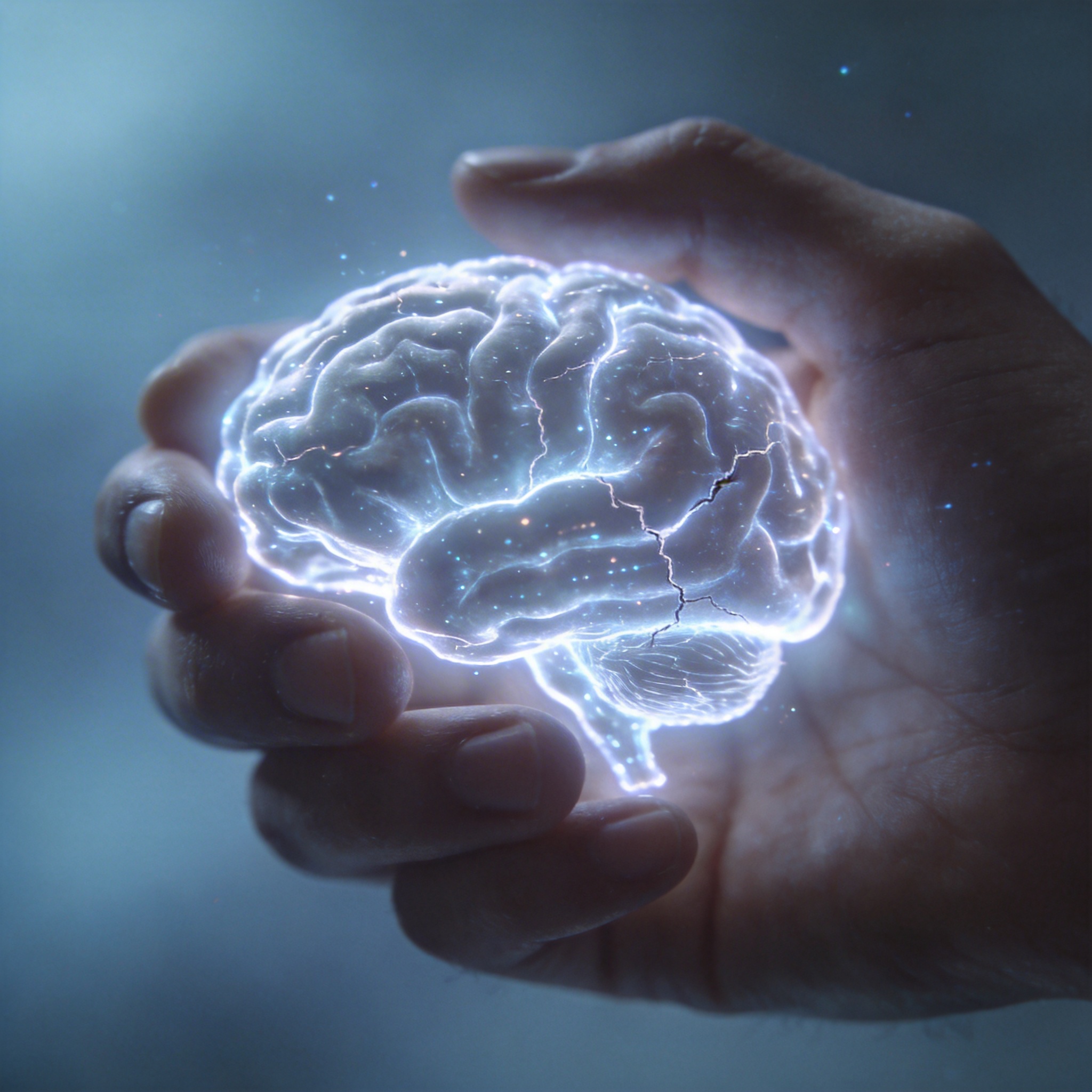
Human hand holding a glowing, cracked digital brain, symbolizing the fragility of cognitive sovereignty.
The study suggests that AI's benefits are immediate and personal, while its harms are slow, systemic, and become apparent after accumulation. Saved time can translate into higher performance metrics, and new skills may come at the cost of atrophied old abilities. The report also noted that blue-collar workers and self-learners, who often initiate their own learning, reported high AI learning benefits with almost no cognitive decline, unlike students and academics who showed higher rates of decline. This indicates that the relationship between humans and AI—whether it is actively chosen or passively depended upon—is crucial.
The collective experiences of the 80,000 participants signal that when cognitive outsourcing becomes the default, and "look it up with AI" replaces independent thought, the willingness for independent judgment may be the most significant loss.
Stay Ahead of the AI Curve
Join 50,000+ subscribers getting the latest AI tools, trends, and tutorials delivered to their inbox weekly.
No spam, unsubscribe at any time.