Ant Group's Lingguang Expands to Mini-Game Creation, Broadening AI Accessibility

As AI systems move beyond text generation, Ant Group's Lingguang platform has introduced an update enabling users to create mini-games in addition to its existing instant app capabilities. This development signifies a continued effort to lower technological barriers, allowing individuals without programming expertise to translate ideas into functional applications.
Highlights
The recent update to Lingguang allows users to generate simple games through natural language prompts. This functionality builds on the platform's initial offering of instant app creation. The core appeal of this approach lies in its accessibility, empowering non-technical users to develop interactive content.
Context
Lingguang's evolution reflects a broader trend in AI development: making complex technological tools available to a wider audience. Traditional programming often requires specialized knowledge of coding languages, Integrated Development Environments (IDEs), servers, and ports. Lingguang aims to abstract these complexities, requiring only a clear statement of user needs to generate a functional output.
For instance, a user can prompt Lingguang to create a game based on historical character relationships, such as those in Romance of the Three Kingdoms. The platform can then generate a playable game within seconds, complete with scoring, lives, and even an achievement system, all based on natural language commands. This contrasts with more advanced AI programming tools, which, while powerful, often require users to manage code execution and deployment.
Engineering Notes
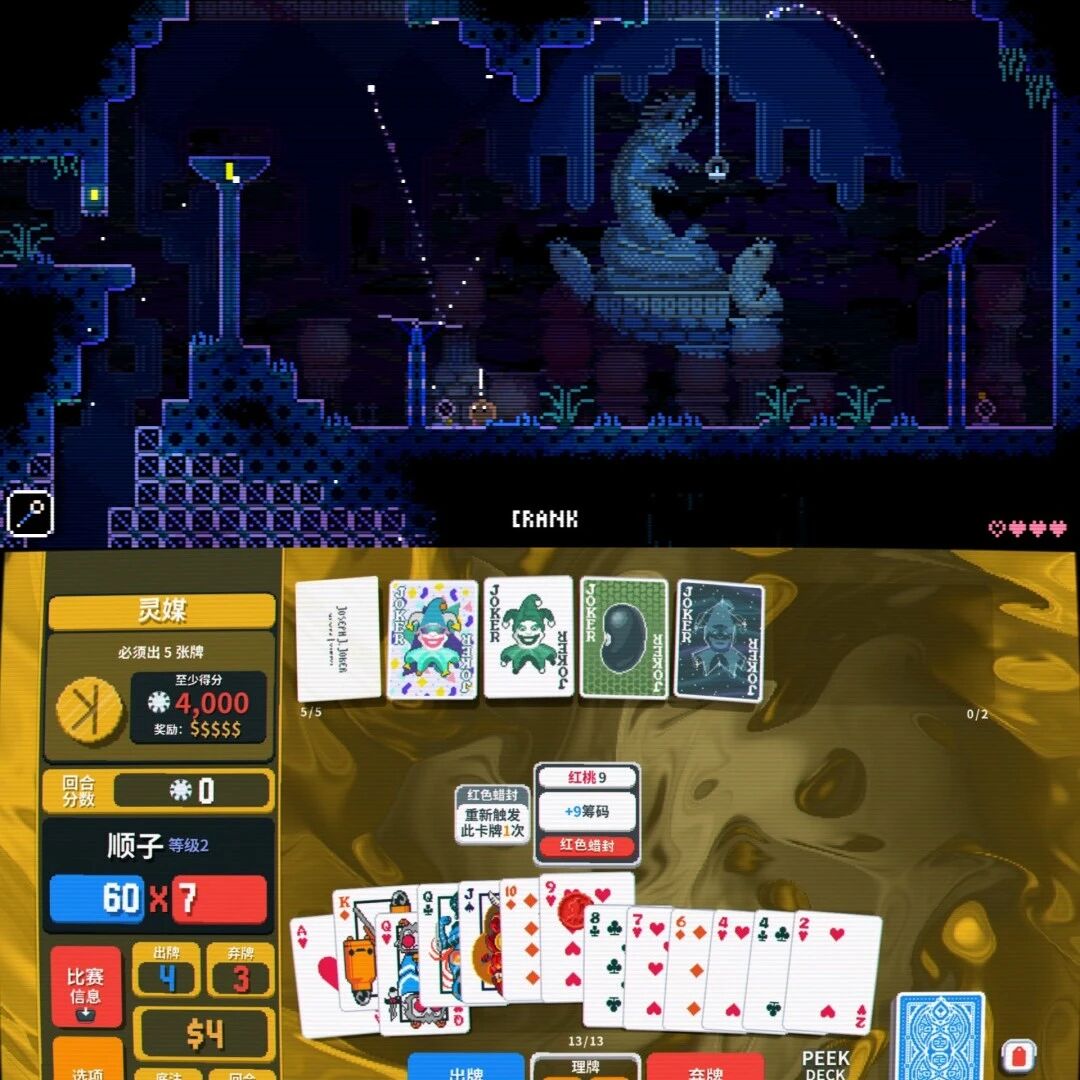
The platform's current capabilities focus on generating game mechanics and logic. While it can produce functional games, the art assets remain a significant area for future development. Instant games generated by Lingguang are not intended to compete with high-fidelity traditional games like Black Myth: Wukong or visually unique indie titles such as Animal Well or Balatro. Instead, they serve as tools for quickly materializing conceptual game ideas or educational content.
The system processes user prompts, such as "Create an antique-style idiom solitaire mini-game with complete mechanics and functions," and translates them into game logic. Iterative refinement is also possible, where users can verbally request modifications like adding an achievement system or adjusting game flow. In practice, this allows for rapid prototyping and customization.
What Comes Next
Looking ahead, the integration of AI-generated art assets into platforms like Lingguang could further enhance the creative potential for non-developers. This would enable users to not only define game mechanics but also influence visual styles, making the generated content more personalized and engaging.
The broader implication is a shift in human-computer interaction, where the barrier between an idea and its digital manifestation is significantly reduced. This aligns with the concept of "vibe coding," where the focus is on intuitive creation rather than technical implementation. The goal is for individuals to naturally turn to such tools when an idea strikes, rather than seeking out traditional development resources. This silent revolution in accessibility could empower countless individuals to create and share their unique digital expressions.