
Architect's Perspective: Navigating Software Stacks and Language Evolution in the AI Era

As AI systems move beyond text generation and into the core of software development, the landscape for engineers and architects is undergoing a profound transformation. The traditional metrics of success and the very definition of an engineer's value are being reshaped by advancements in artificial intelligence.
Highlights
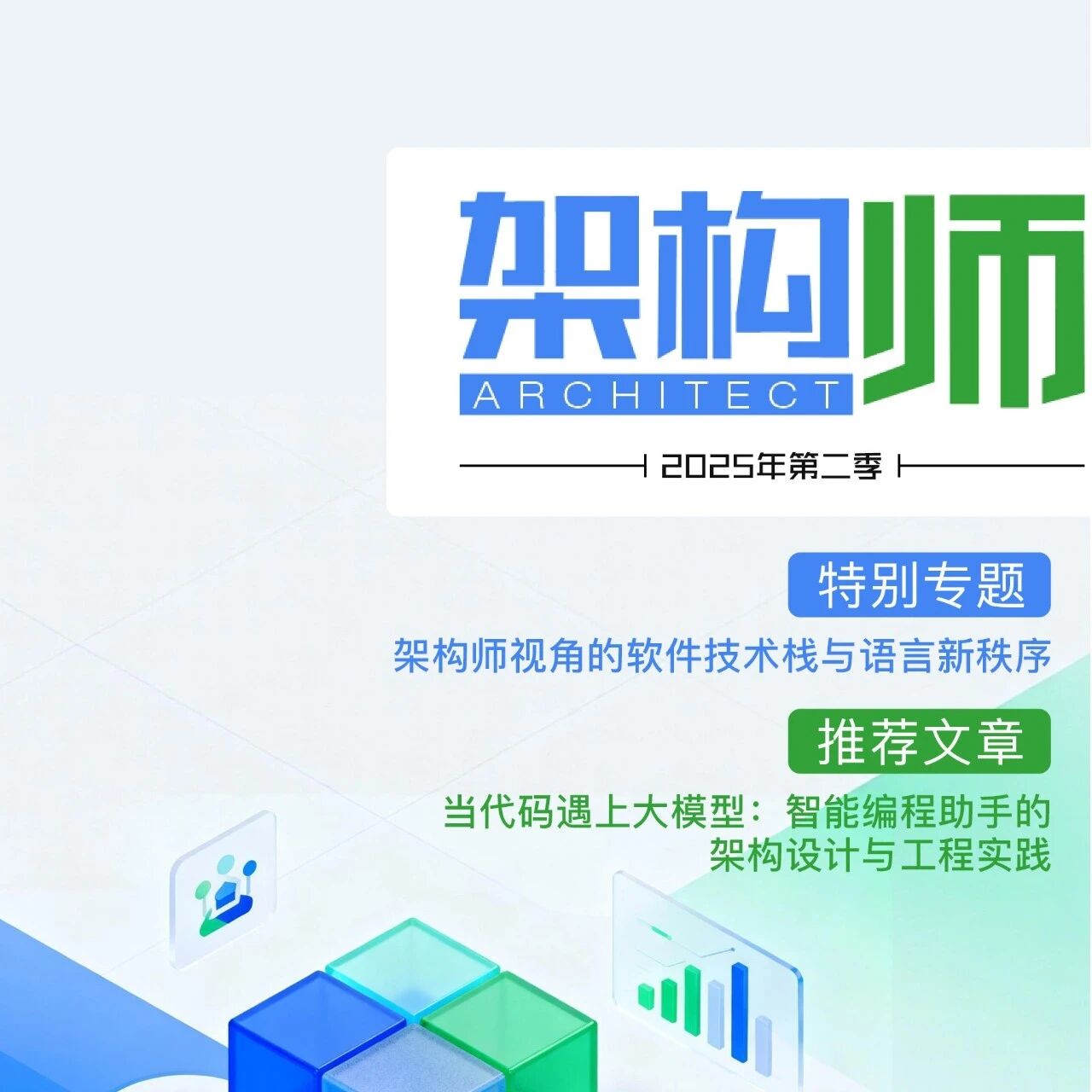
A new e-book, "Architect," offers insights into the evolving software technology stack and the emergence of a new language order, viewed through the lens of experienced architects. The publication delves into how AI is influencing architectural design, programming practices, and the strategic choices of programming languages.
The e-book is structured around several key themes, including:
Implementation and Evolution: This section explores the practical application of large language models (LLMs) in architectural design, intelligent programming assistants, and multi-agent systems within various industry contexts, such as game development and recommendation systems.
Original Interviews: Leading architects and academics share their perspectives on the impact of AI on career trajectories, the future of knowledge-based jobs, and the changing skill sets required for success in the AI era.
Programming Tools in the Era of Large Models: This segment examines the rise of AI-powered programming tools, their rapid development cycles, and the competitive landscape among platforms like CodeBuddy, Replit, AmpCode, and Alibaba Qoder.
Architectural Transformation: Discussions here focus on the shifts in software technology stacks, including the adoption of JVM for agent handling on Kubernetes, the evolution of frameworks like LangChain, and the integration of agent frameworks into databases by companies such as Oracle.
New Language Order: The e-book addresses the critical decision of programming language selection in the AI era, weighing the roles of Go, Rust, Python, and TypeScript, and analyzing significant developments like Python's GIL removal and Cloudflare's adoption of Rust for core systems.
Context
The software industry's narrative has shifted significantly. The demand for "full-stack" expertise has grown, while AI increasingly handles routine coding tasks and business logic. This shift challenges the traditional career paths for software engineers, prompting a re-evaluation of core competencies.
The e-book posits that while AI can automate code generation and templated solutions, the irreplaceable value of an engineer lies in their ability to abstract complex problems, design evolvable systems, align technical decisions with business objectives, and lead teams through system failures. This perspective underscores the growing importance of architectural thinking for all engineers.
Meanwhile, AI is also influencing recruitment and professional development. Resumes can be automatically generated, and interview preparation can be AI-assisted. The true differentiator, according to the e-book, is an engineer's capacity to leverage tools to solve real-world problems, plan systems, validate designs with AI, make strategic trade-offs, and contribute actively to open-source communities and technical discourse.
What Comes Next
The e-book does not offer prescriptive "safe paths" but rather aims to stimulate discussion on how engineers can redefine their value and find certainty amidst industry-wide restructuring. It suggests that the core question is not whether engineers will be replaced by AI, but rather what capabilities will be essential for writing the next chapter of the software industry's evolution.
For developers, the publication serves as a starting point for those who recognize that "writing good code" is no longer sufficient and that maintaining the status quo poses a significant risk.
Stay Ahead of the AI Curve
Join 50,000+ subscribers getting the latest AI tools, trends, and tutorials delivered to their inbox weekly.
No spam, unsubscribe at any time.